
How agencies actually run
Pricing, reporting, getting paid and the parts of agency life nobody writes a playbook for. Written for the Gulf, where the working week, the currencies and the calendar are not the ones most advice assumes.
A week-by-week Ramadan 2027 content calendar for UAE brands
Ramadan 2027 is expected to run from about 8 February to 8 or 9 March, with Eid on 9 or 10 March. Here is what to post each week, the dates inside the month that change the plan, and when everything needs to be approved.
How to raise your prices with existing clients without losing them
Most agencies raise prices for new clients and leave old retainers where they were, for years. Here is when to raise them, how much, how to say it, and what to offer the client who pushes back.
Agency profit margins: what's normal, and where the money leaks
What a healthy agency margin looks like, why Gulf agencies feel the squeeze sooner, and the six places profit quietly leaks: scope, unbilled time, discounts, free pitches, pass-through costs and late payment.
How to price a social media audit or strategy project
Scope it before you price it, work out what a day of your time really costs, then set a fixed fee for the outcome. With published price points, a worked example in AED and a sample quote.
How to say no to a client without losing the account
Most requests an agency turns down can be turned into a better yes: not like this, not now, not for this fee, or not us. Four kinds of no, the words to use, and a change request that keeps the scope intact.
Time tracking for agencies: is it worth it, and the light version
Full timesheets are hard to keep and easy to resent. No tracking leaves you pricing blind. The middle way: track by project, for a few weeks at a time, to price better rather than to police people.
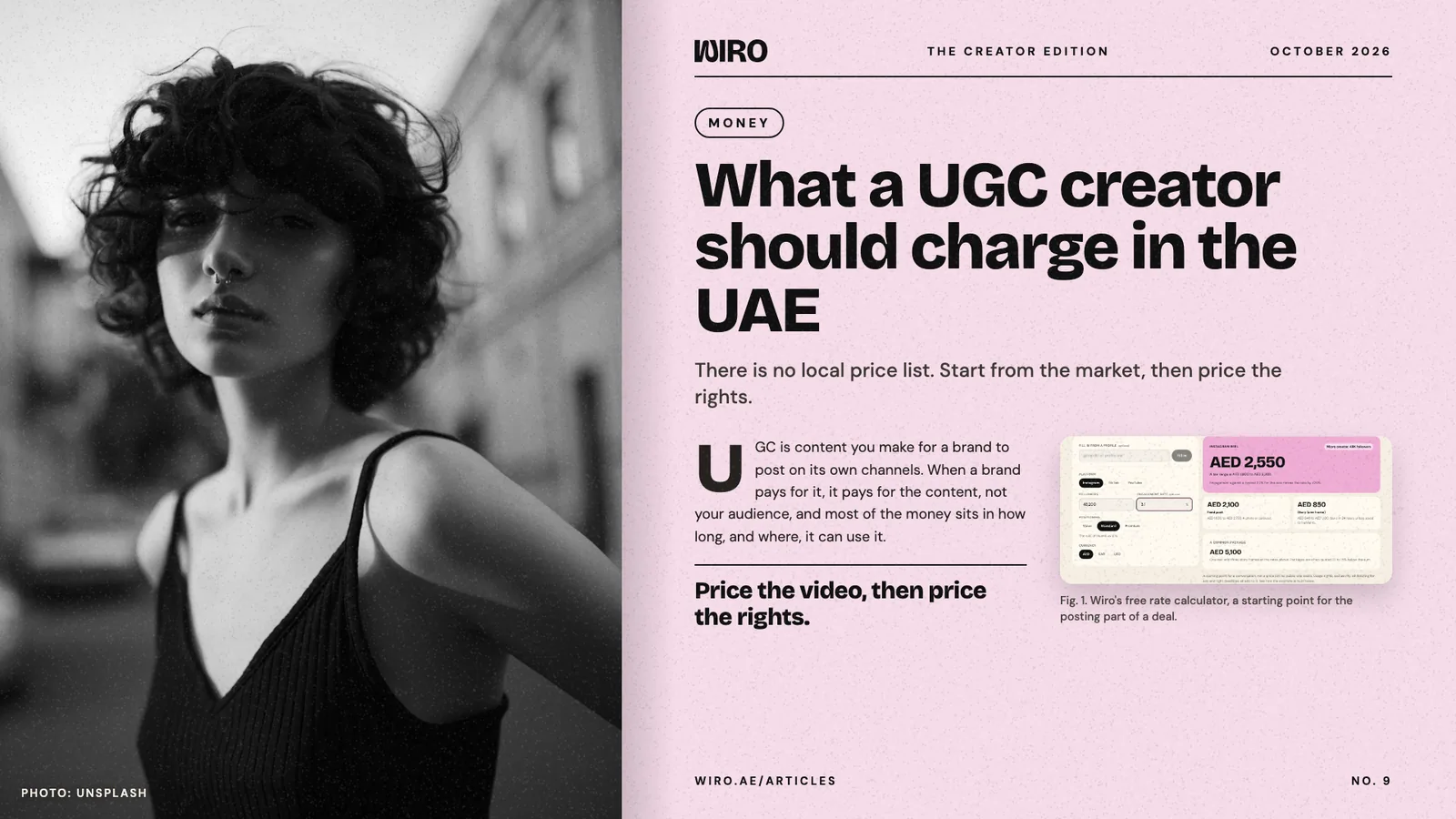
How much should a UGC creator charge in the UAE?
There is no published UAE price list for UGC, so start from what the market pays worldwide, then price the extras that brands really pay for: usage rights, extra hooks, raw files and speed.
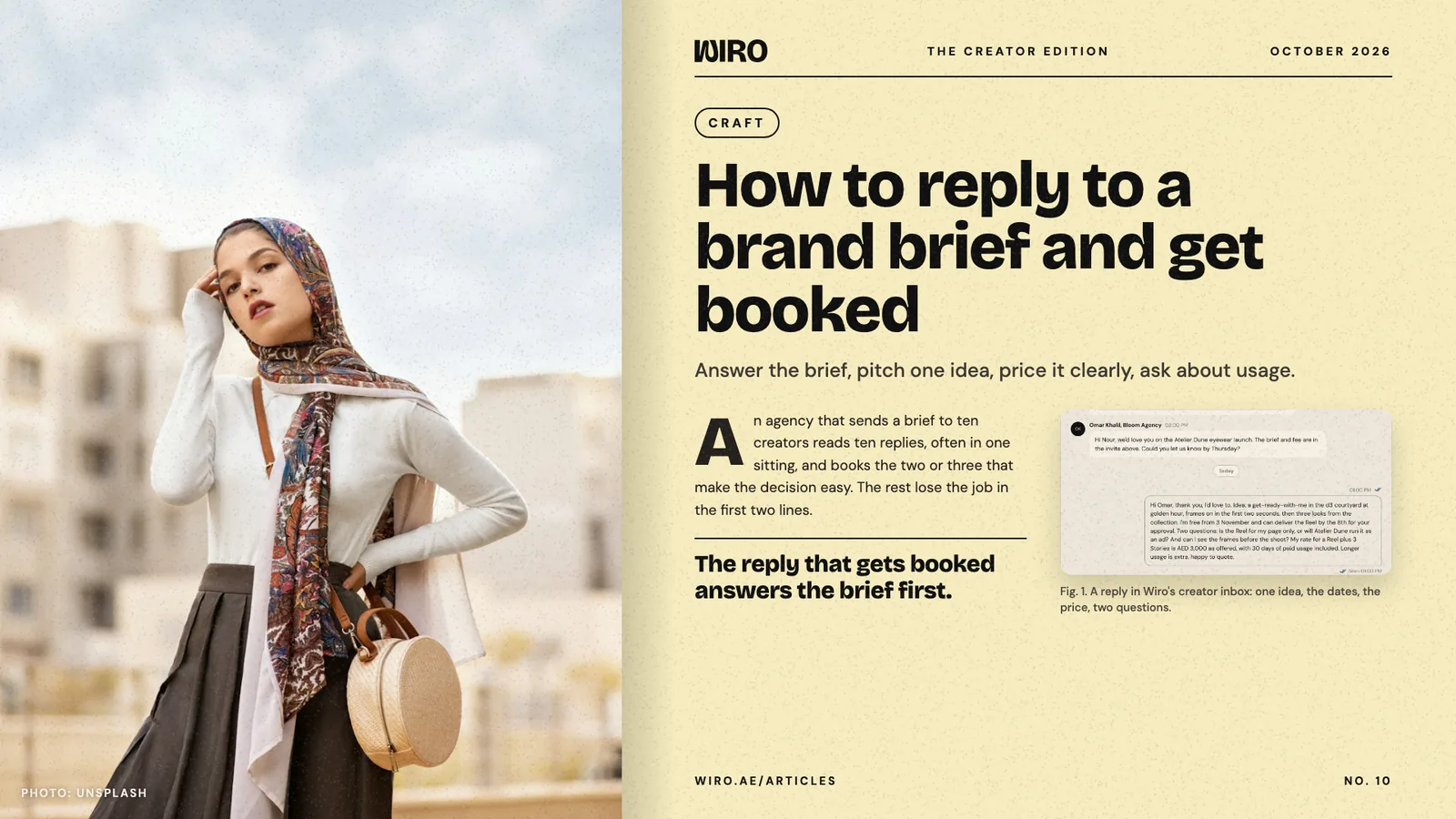
How to reply to a brand brief so you actually get booked
Most replies to a brief lose the job in the first two lines: generic, slow, or missing what the brief asked for. Here is a reply that answers it, pitches one idea, prices it clearly and asks the questions that matter.
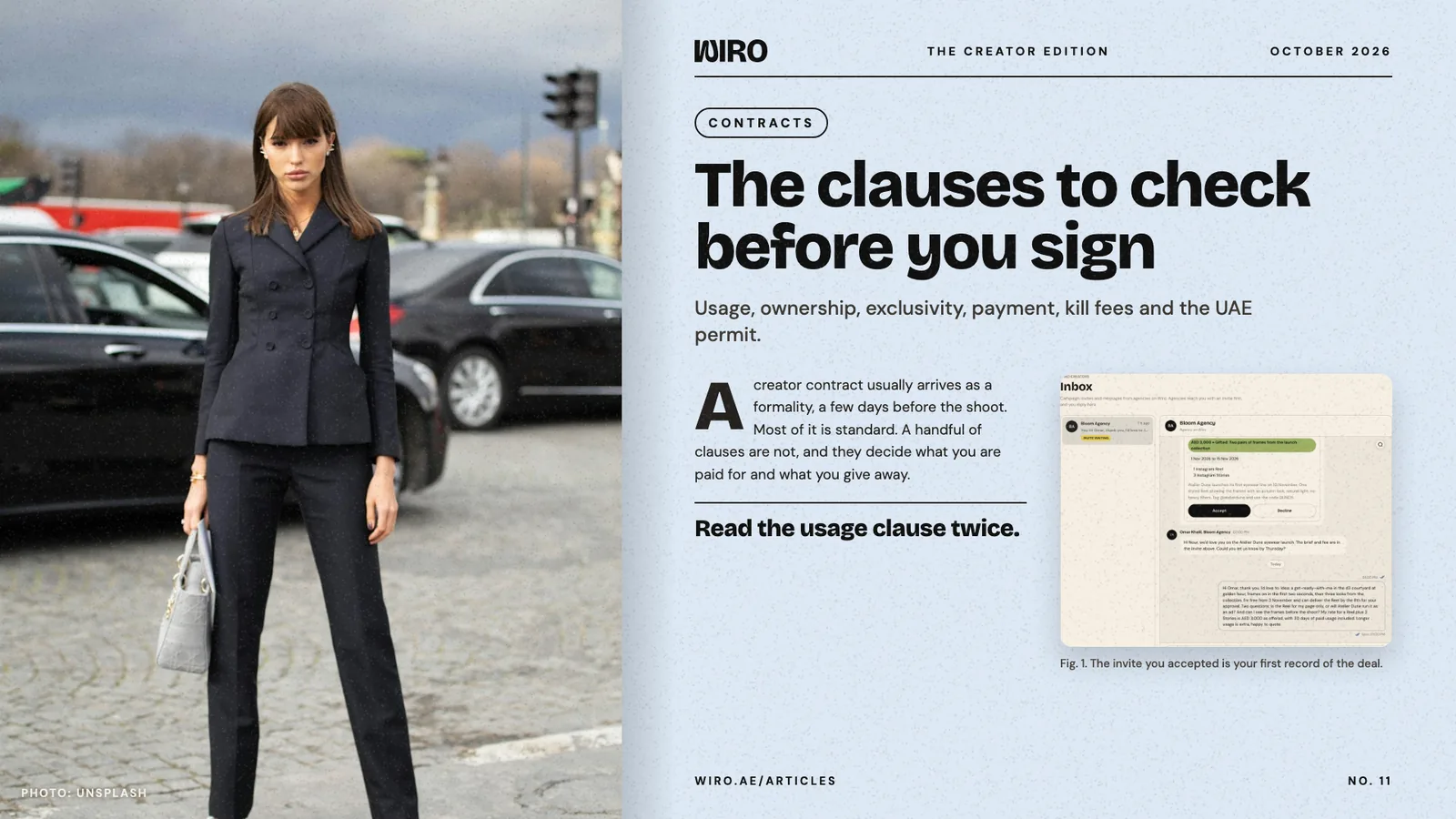
Contracts for creators: the clauses to check before you sign
Usage rights, ownership, exclusivity, approvals, payment terms, kill fees, disclosure and the UAE advertiser permit: the eight clauses in a creator contract that decide what the deal is really worth.
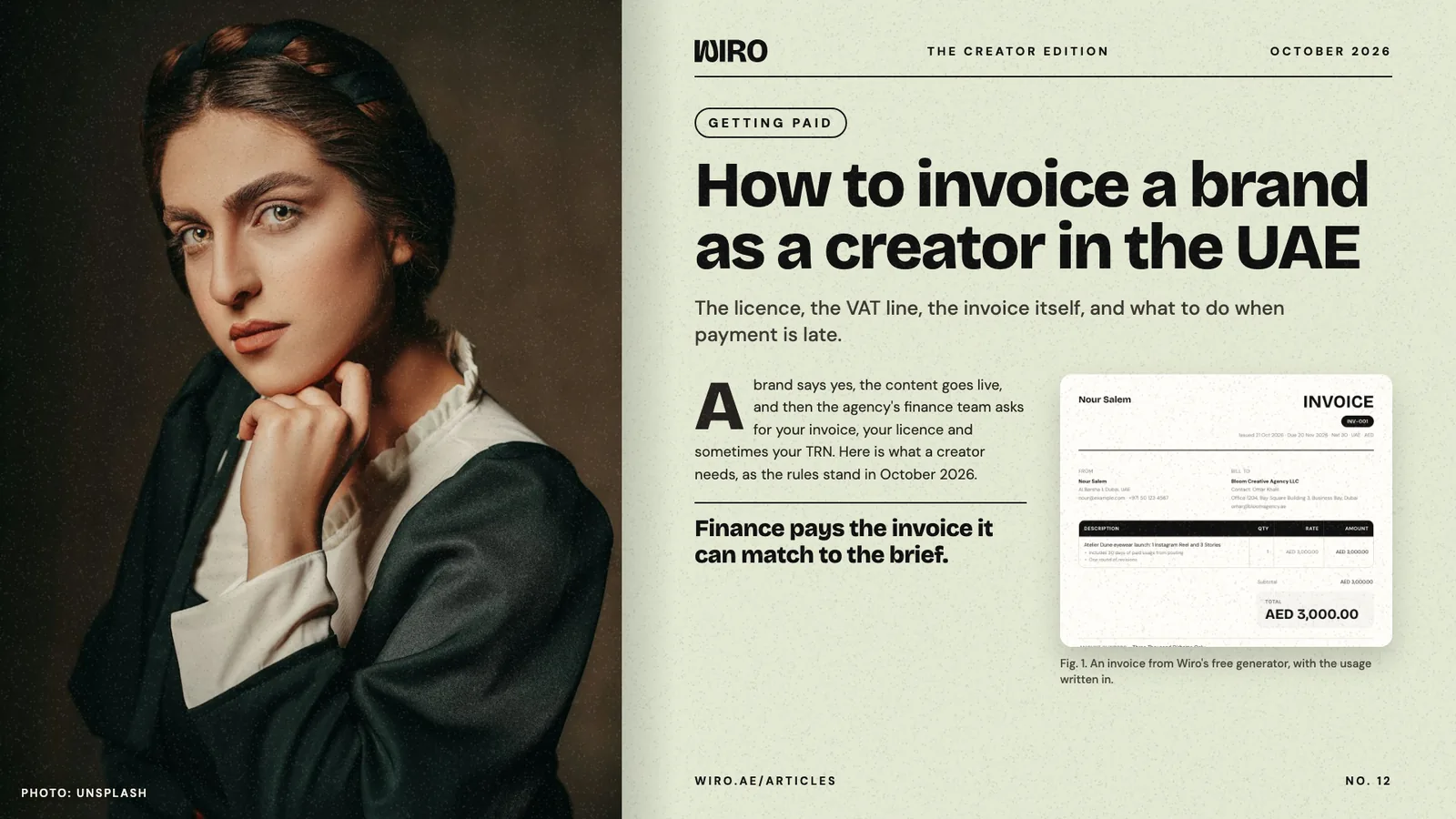
How to invoice a brand or agency as a creator in the UAE
The licence you need to invoice, when VAT applies, what to put on the invoice, corporate tax and e-invoicing for individuals, and what to do when a payment is late. Up to date for October 2026.
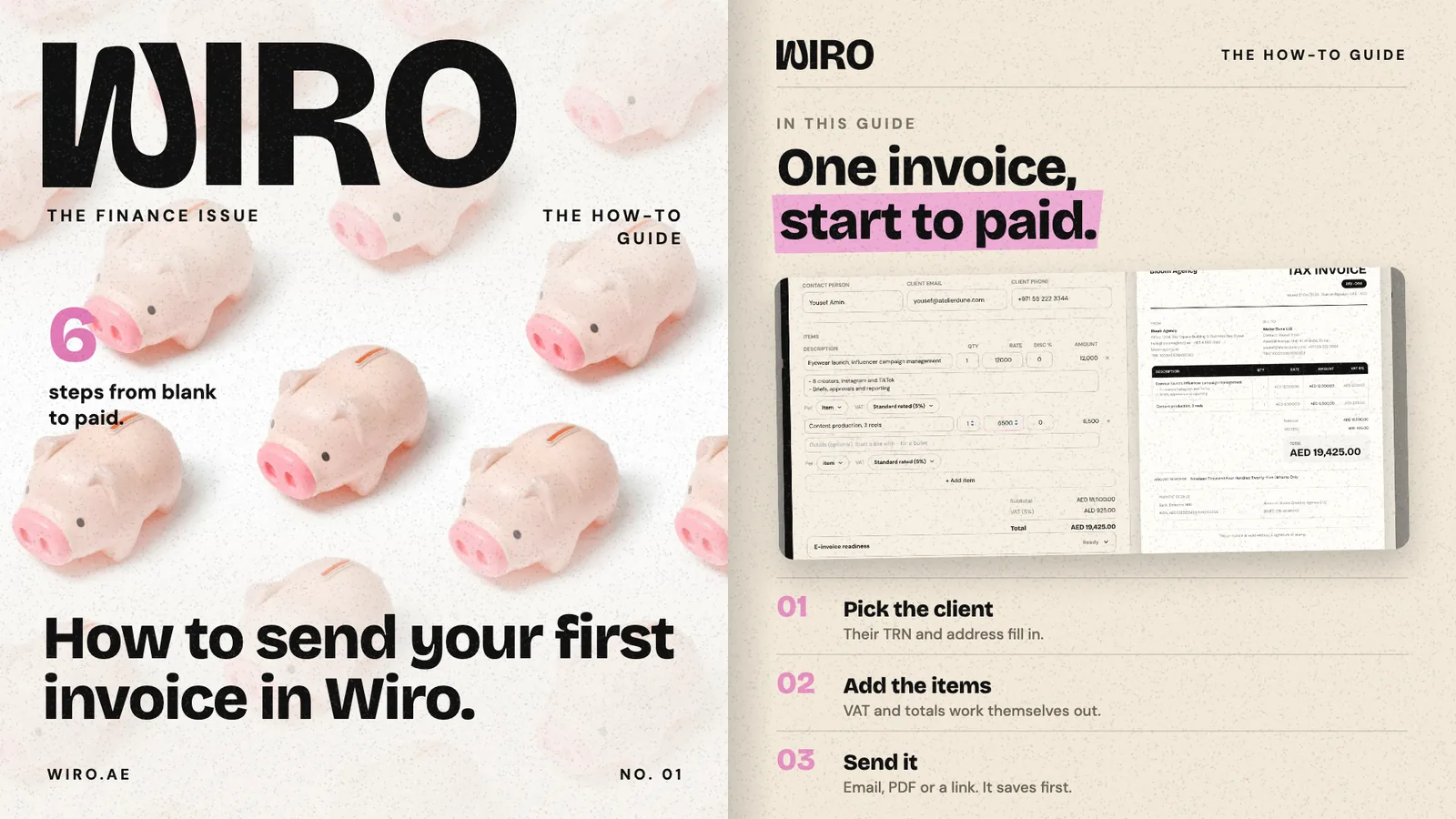
How to send your first invoice in Wiro, step by step
From a blank invoice to a sent, VAT-correct tax invoice in about five minutes: pick the client, add the work, check your bank details, send it, and mark it paid when the money lands.
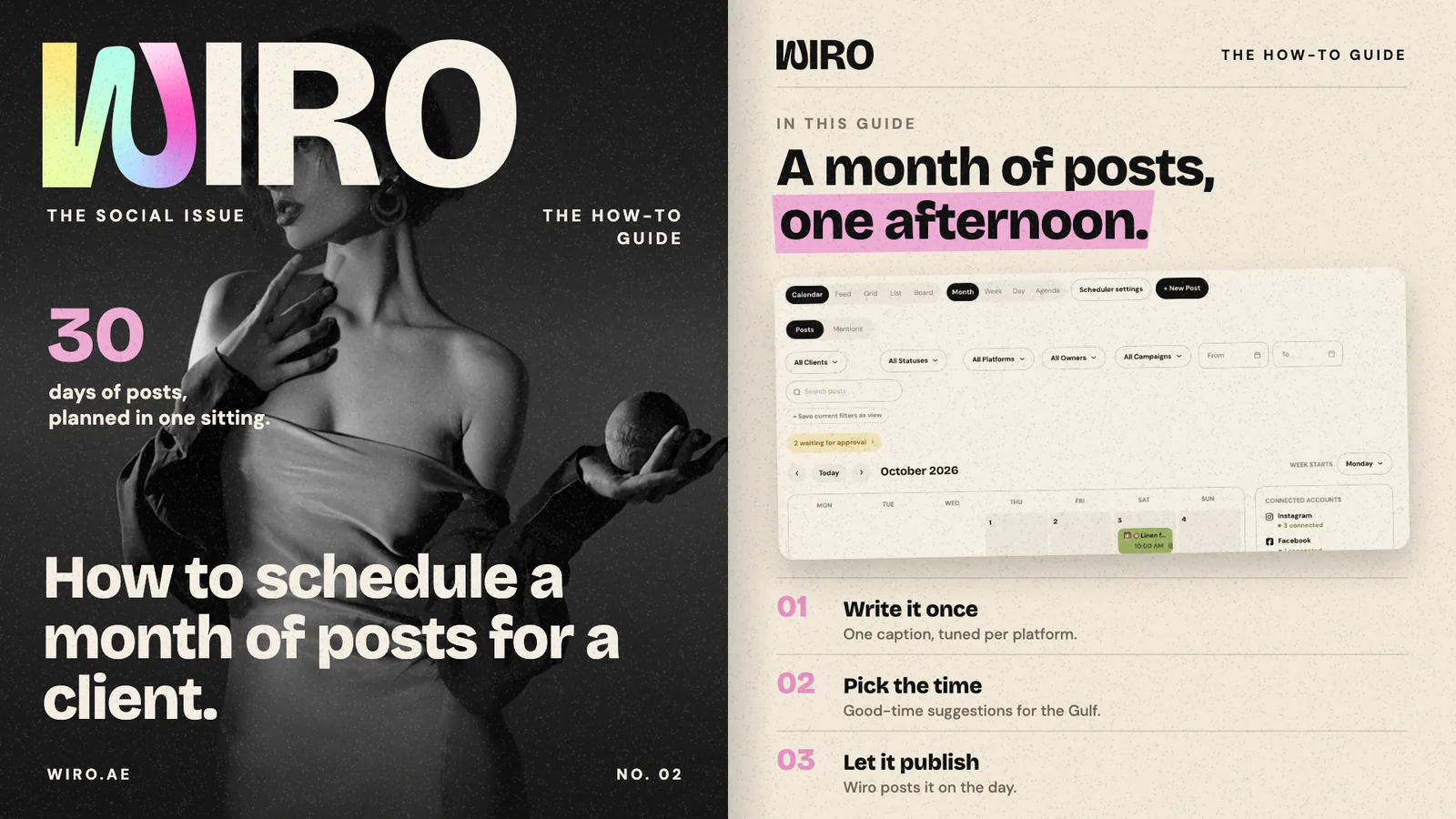
How to schedule a month of posts for a client
Plan a client's whole month in one sitting: write each post once, tune it per platform, pick a time from Gulf posting patterns or the client's own slots, and let Wiro publish on the day.
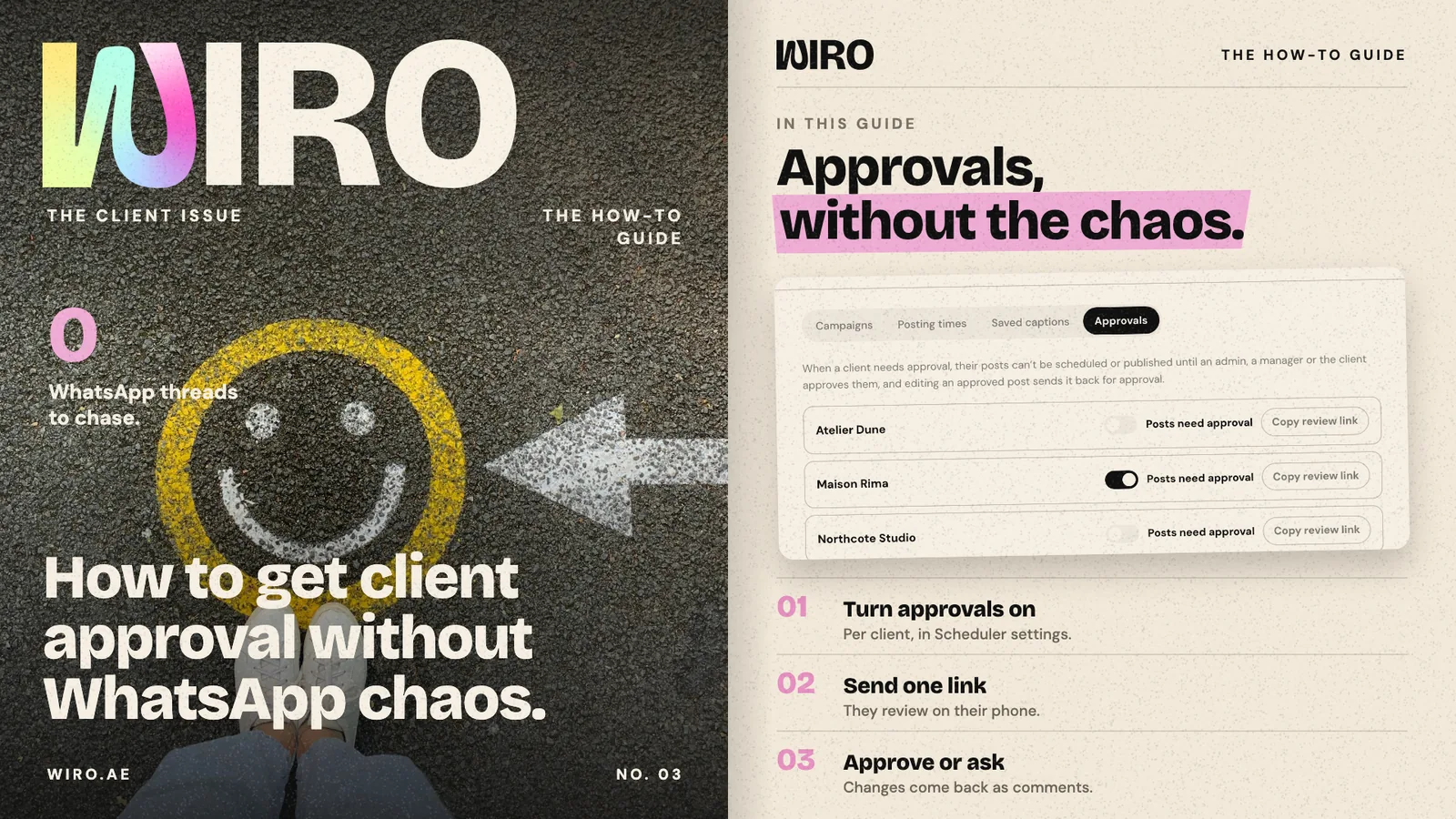
How to get client approval on content without WhatsApp chaos
Turn on approvals for a client, send them one review link, and let them approve posts or ask for changes on their phone. Nothing goes out until it is approved, and every comment stays with the post.
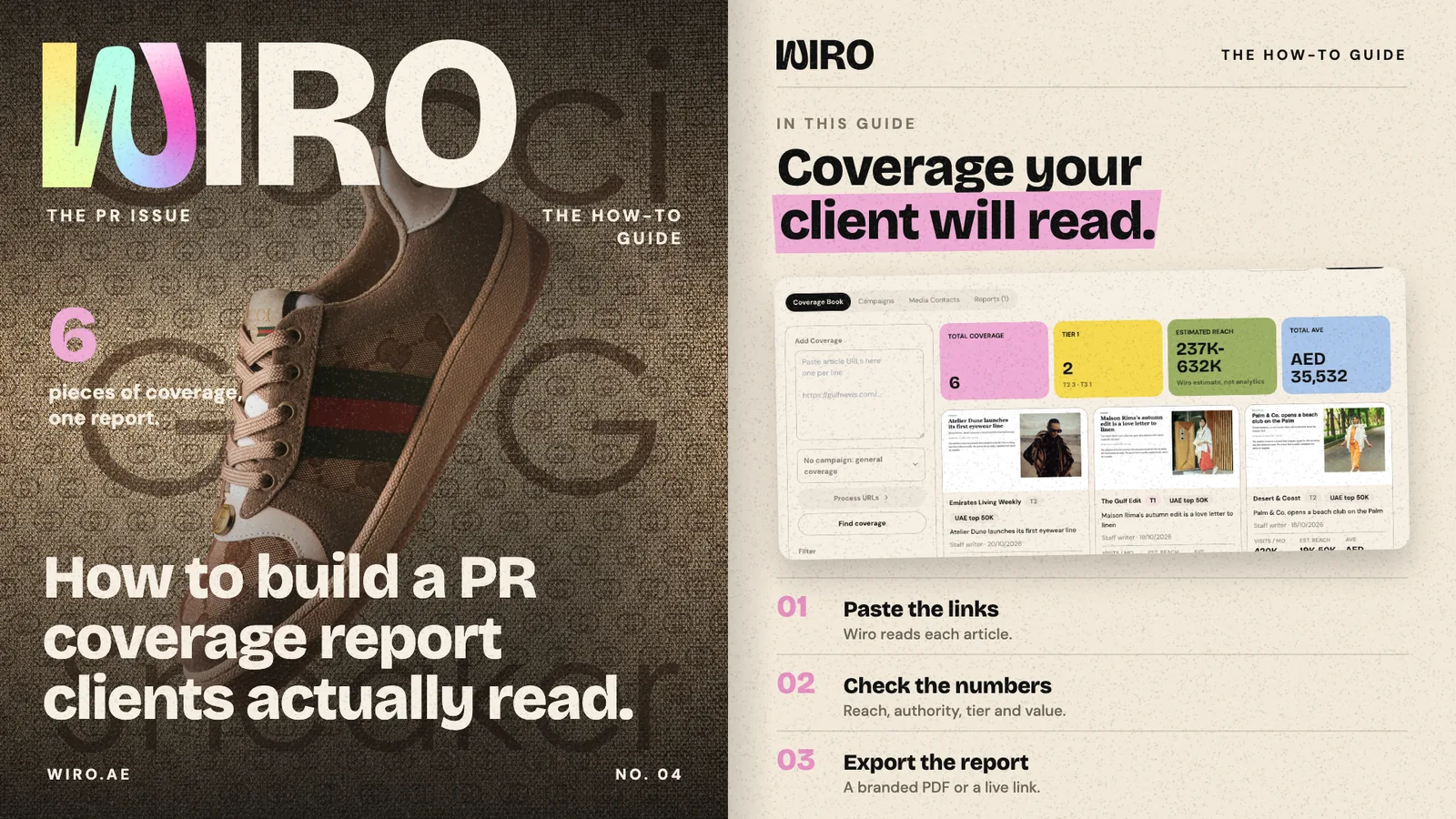
How to build a PR coverage report clients actually read
Paste your coverage links, let Wiro read each article, check the numbers, and export a branded report with a cover, an executive summary and every piece of coverage. Here is how, screen by screen.
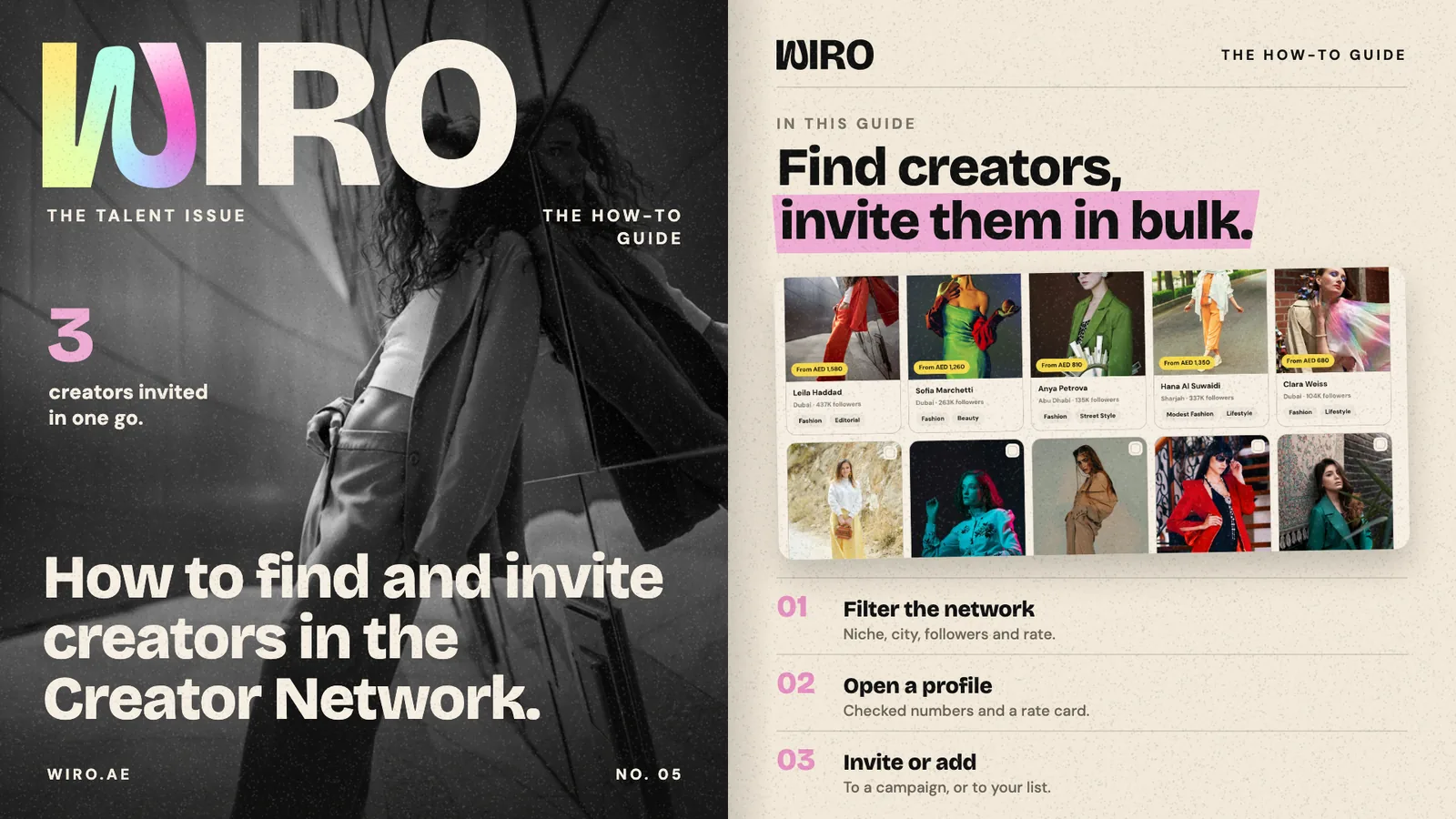
How to find and invite creators in the Creator Network
Search creators who joined Wiro, filter by niche, city, followers and rate, open a profile with checked numbers and a rate card, and invite a shortlist to a campaign in one go.
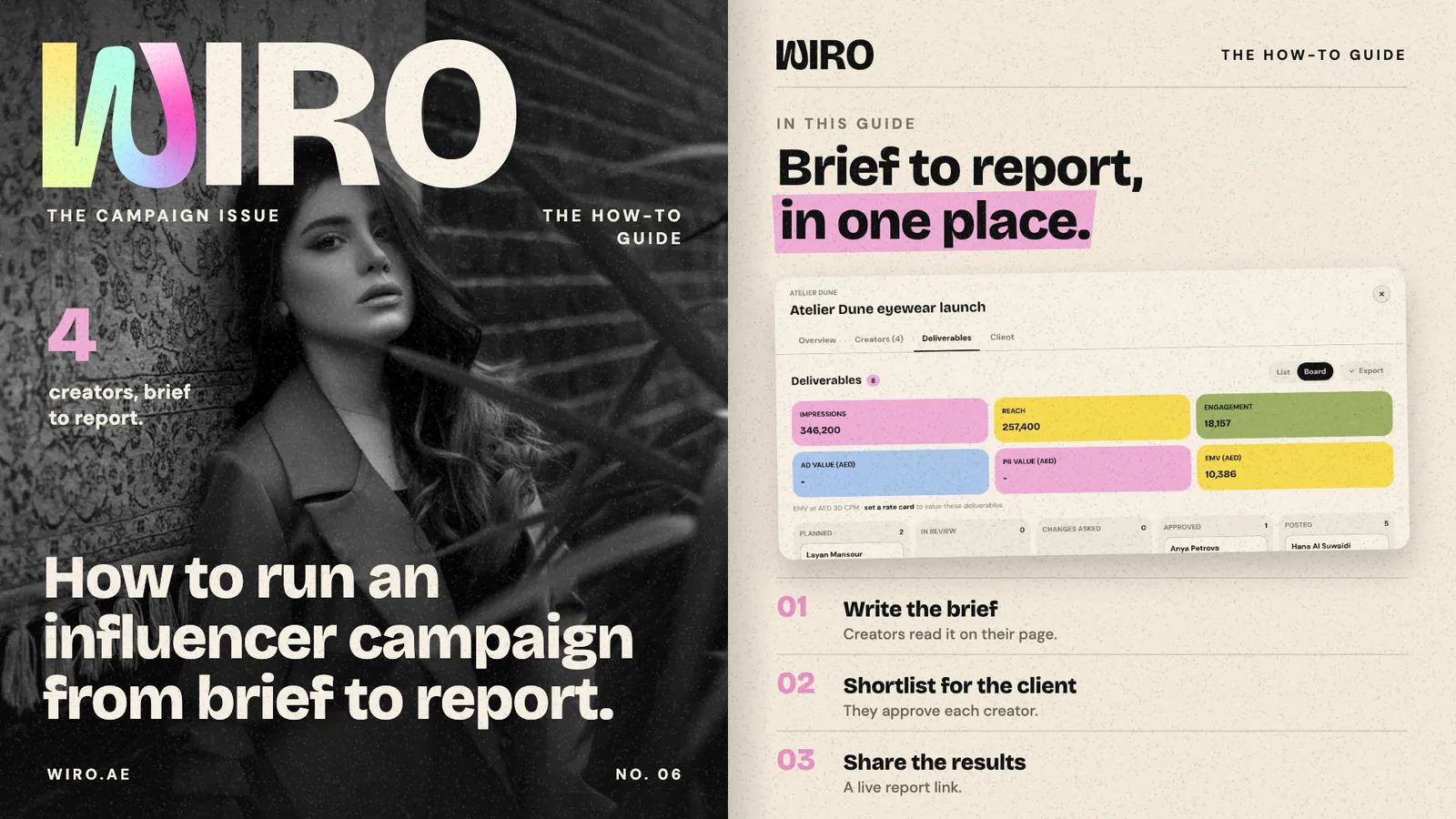
How to run an influencer campaign from brief to report
One campaign, start to finish: write the brief, get the client to approve the creators, track fees and payments, follow every deliverable, and share a live results page with the client.
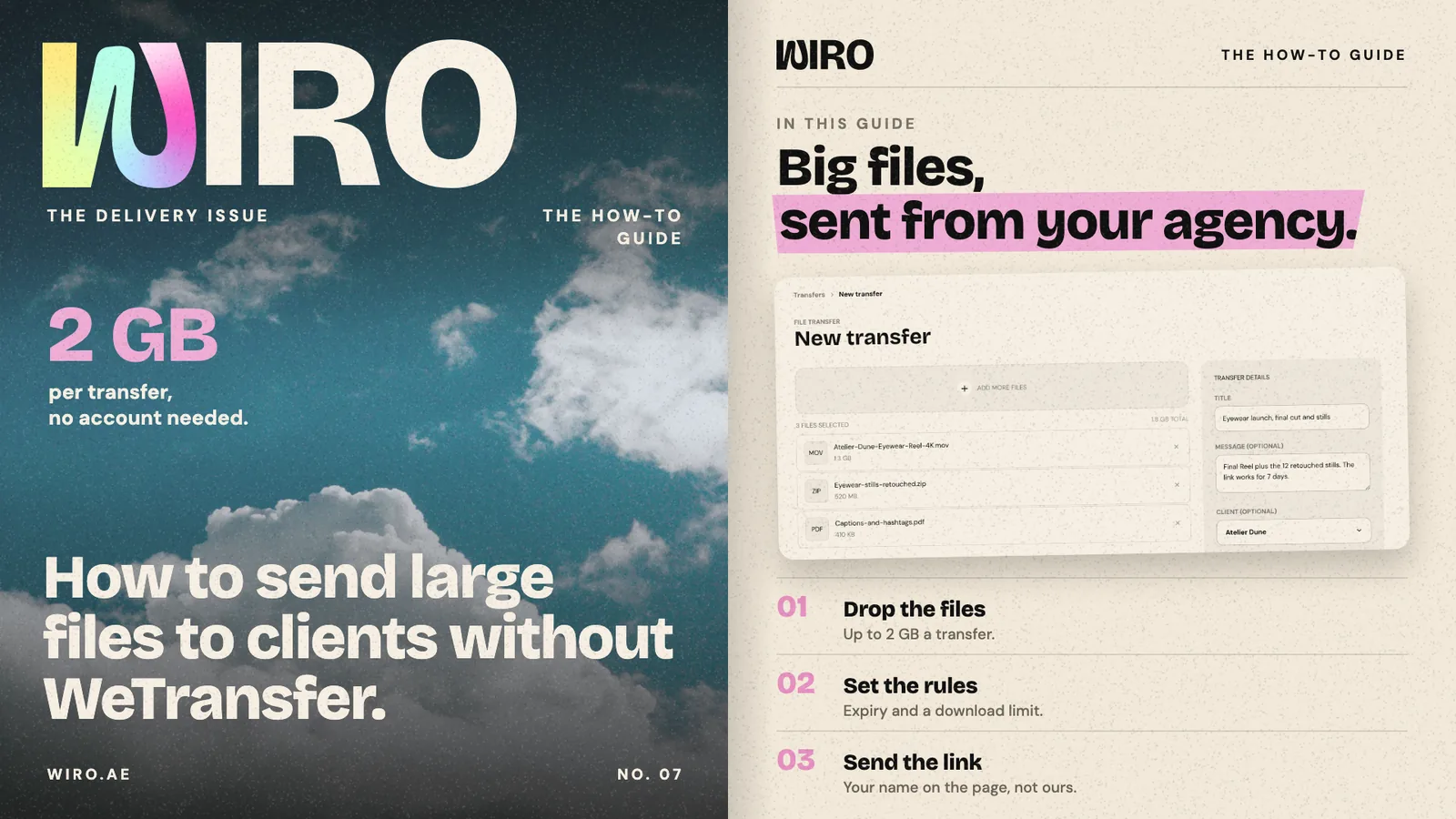
How to send large files to clients without WeTransfer
Send final cuts, shoot selects and logo packs from your own agency, up to 2 GB a transfer, with an expiry date, a download limit and a page that carries your name. Here is how it works.
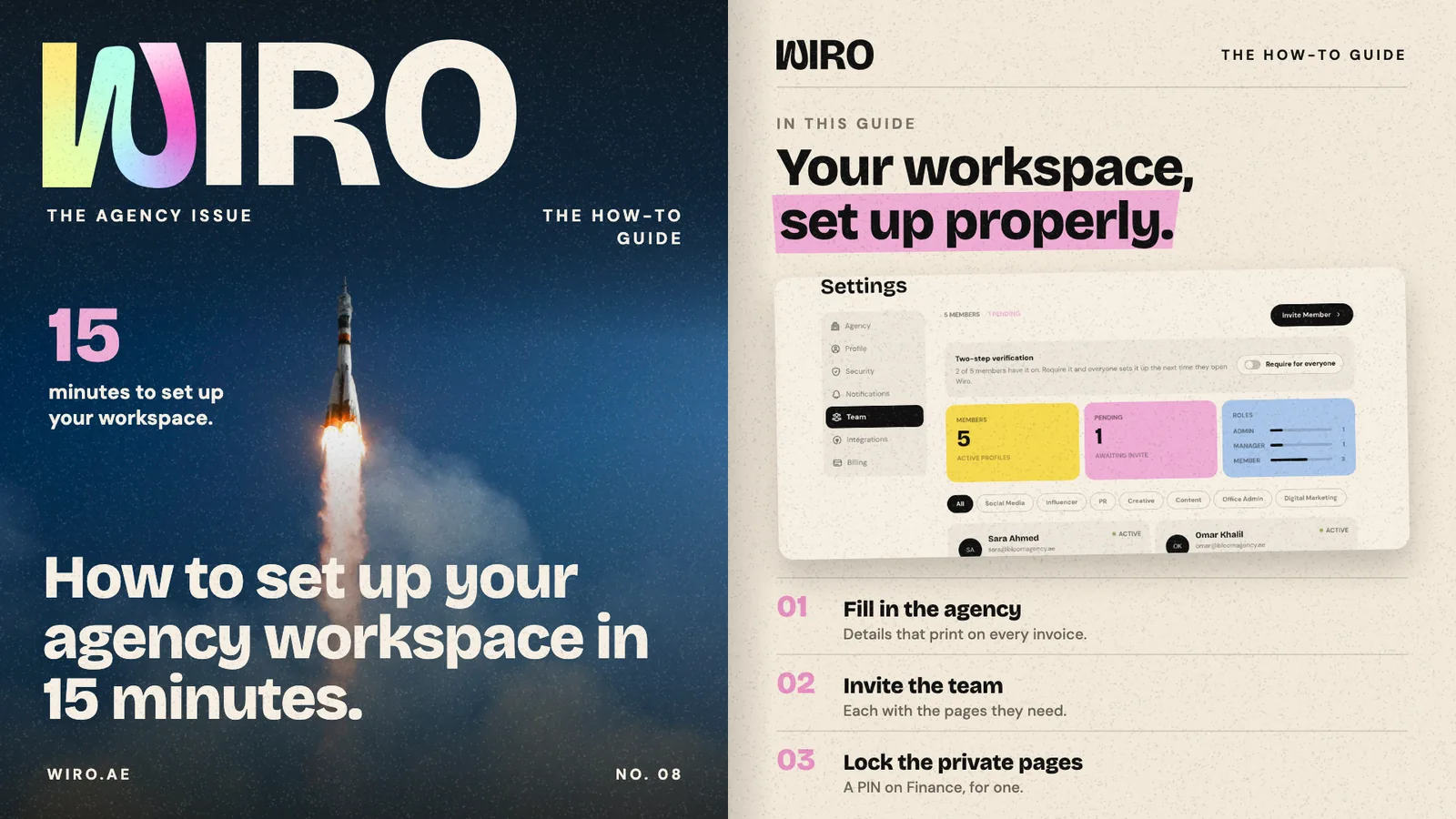
How to set up your agency workspace in 15 minutes
Fill in your agency details once, invite the team with the pages each person needs, and put a PIN on the pages you would rather keep private, like Finance. Fifteen minutes, screen by screen.
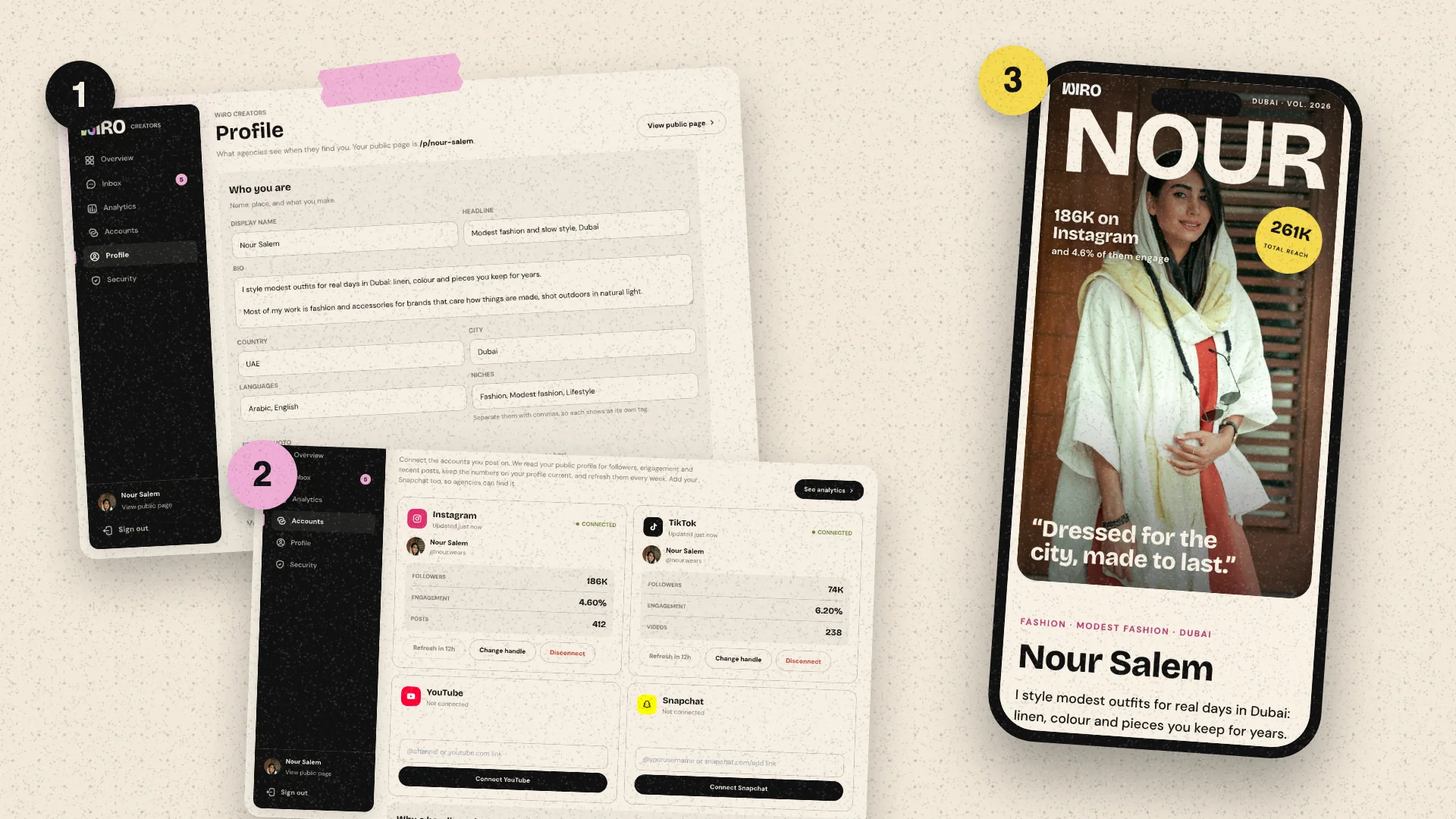
How to set up your creator profile on Wiro, step by step
A screen-by-screen walkthrough: sign up, fill in your profile, connect your accounts, add your work, rates and media kit, and publish a page agencies can book you from.
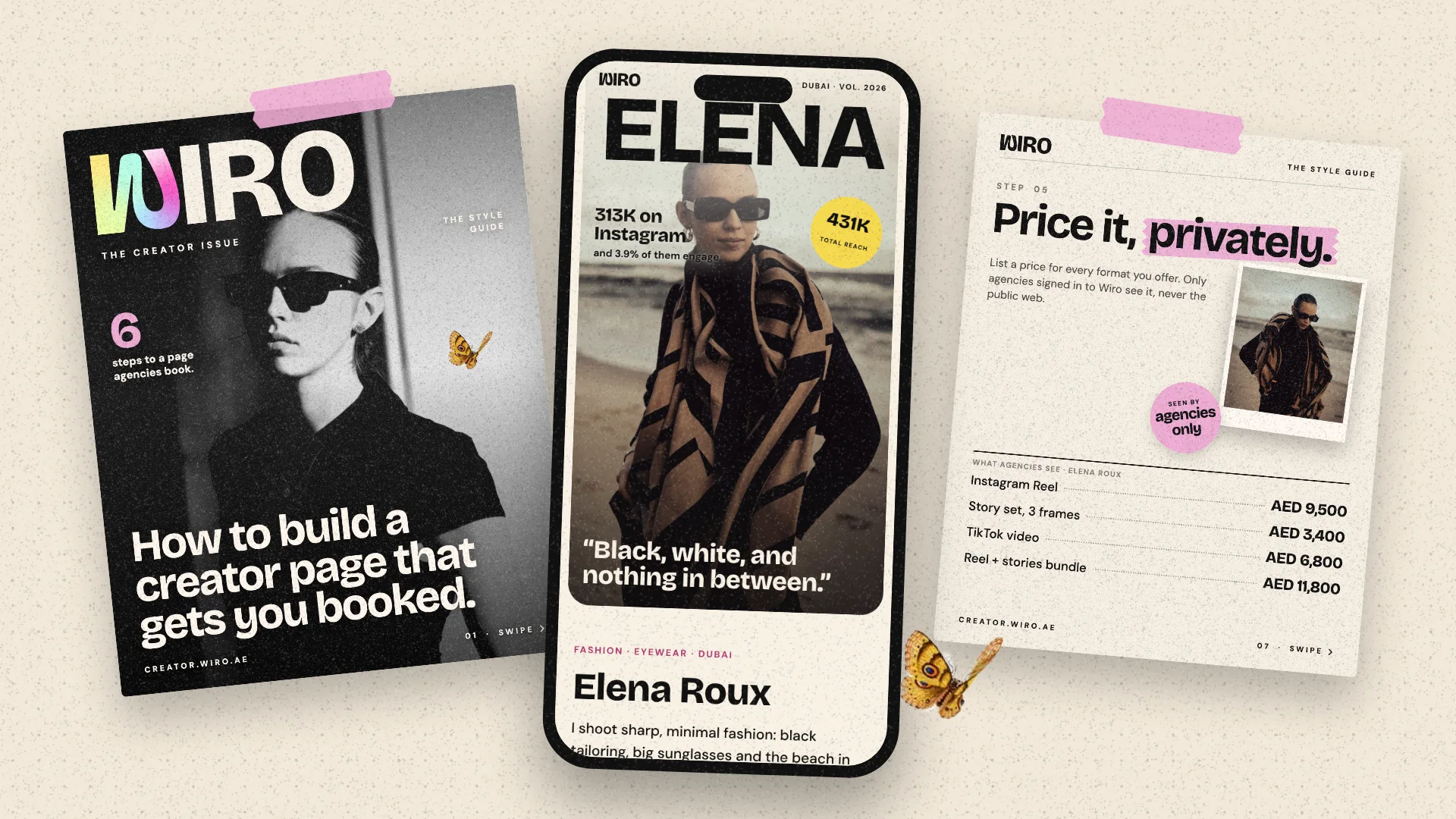
How to build a creator page that gets you booked
Agencies shortlist creators in seconds. A page with one strong photo, one clear line, checked numbers and real work wins those seconds. Here is how to build one on Wiro, in six steps.
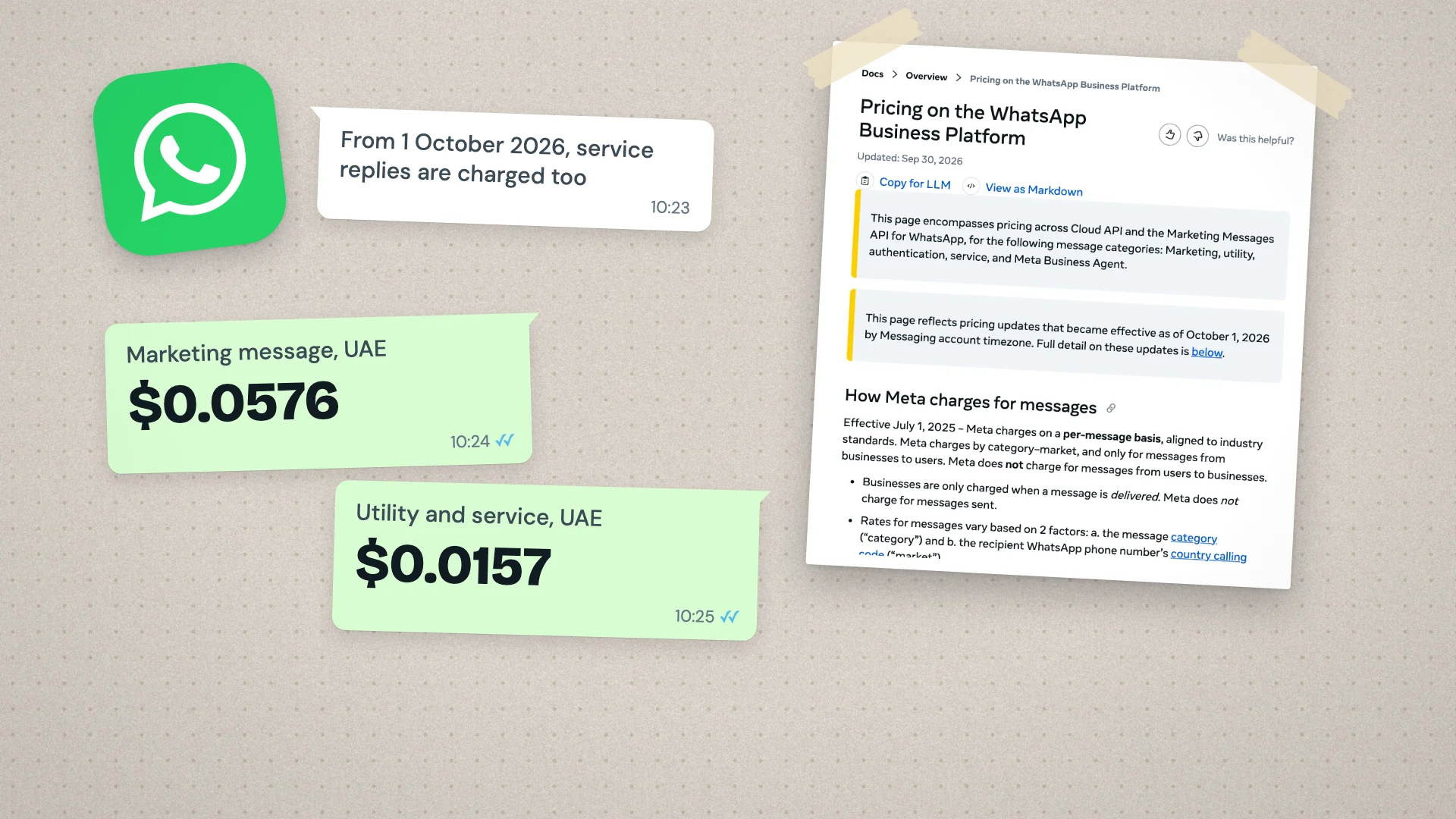
WhatsApp Business pricing in 2026: what Gulf campaigns now cost
Since 1 October 2026, WhatsApp charges for service replies and for utility messages inside the 24-hour window, and UAE marketing messages went up. Here are the official UAE and Saudi rates, the free allowances that remain, and the consent rules.
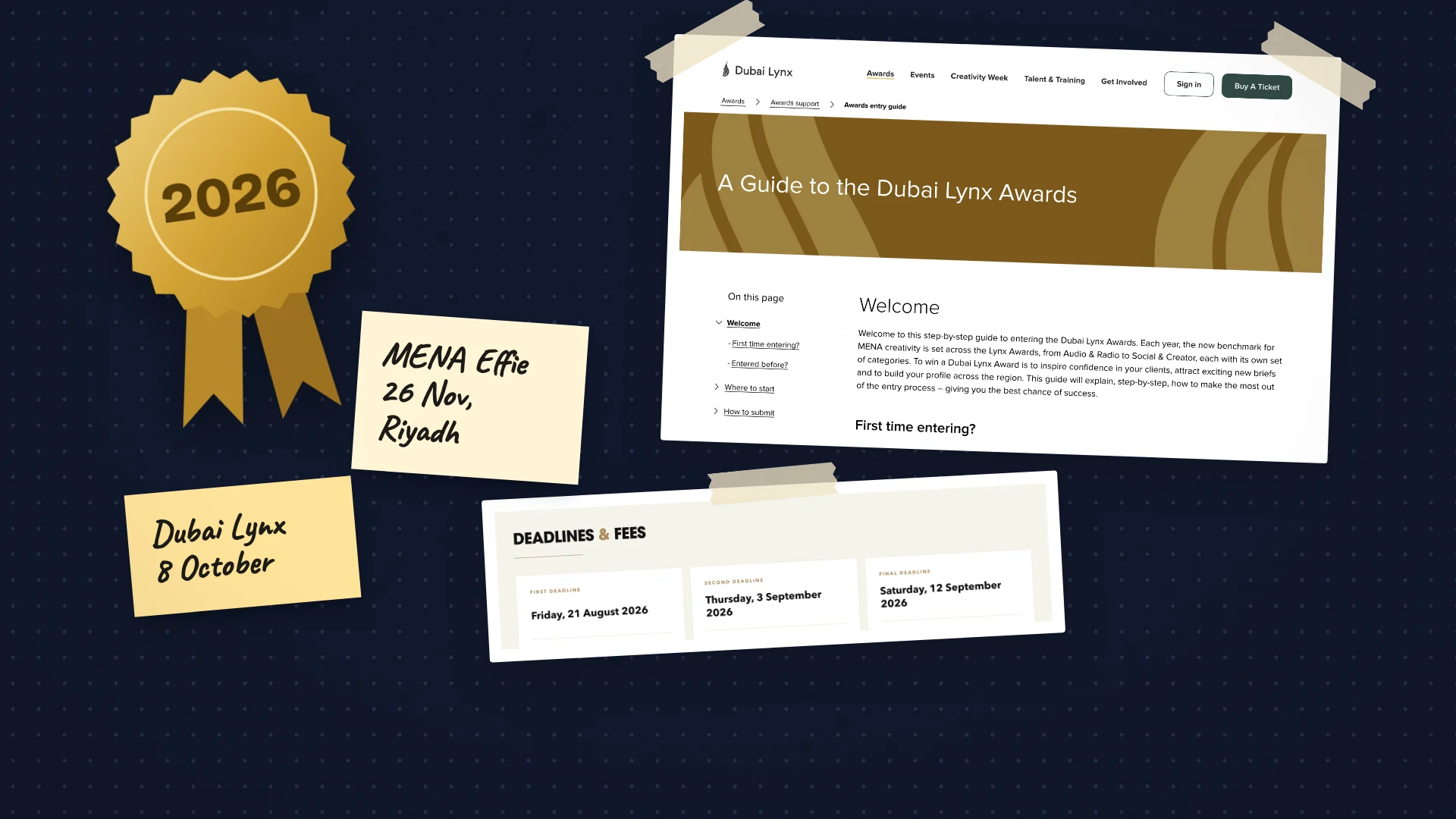
Advertising awards in the Middle East: dates, fees and what judges want
Dubai Lynx moved to October and holds its ceremony on 8 October, the MENA Effies are in Riyadh in November, and SABRE entries close soon. Here is the regional awards calendar for agencies, with fees and judging criteria.
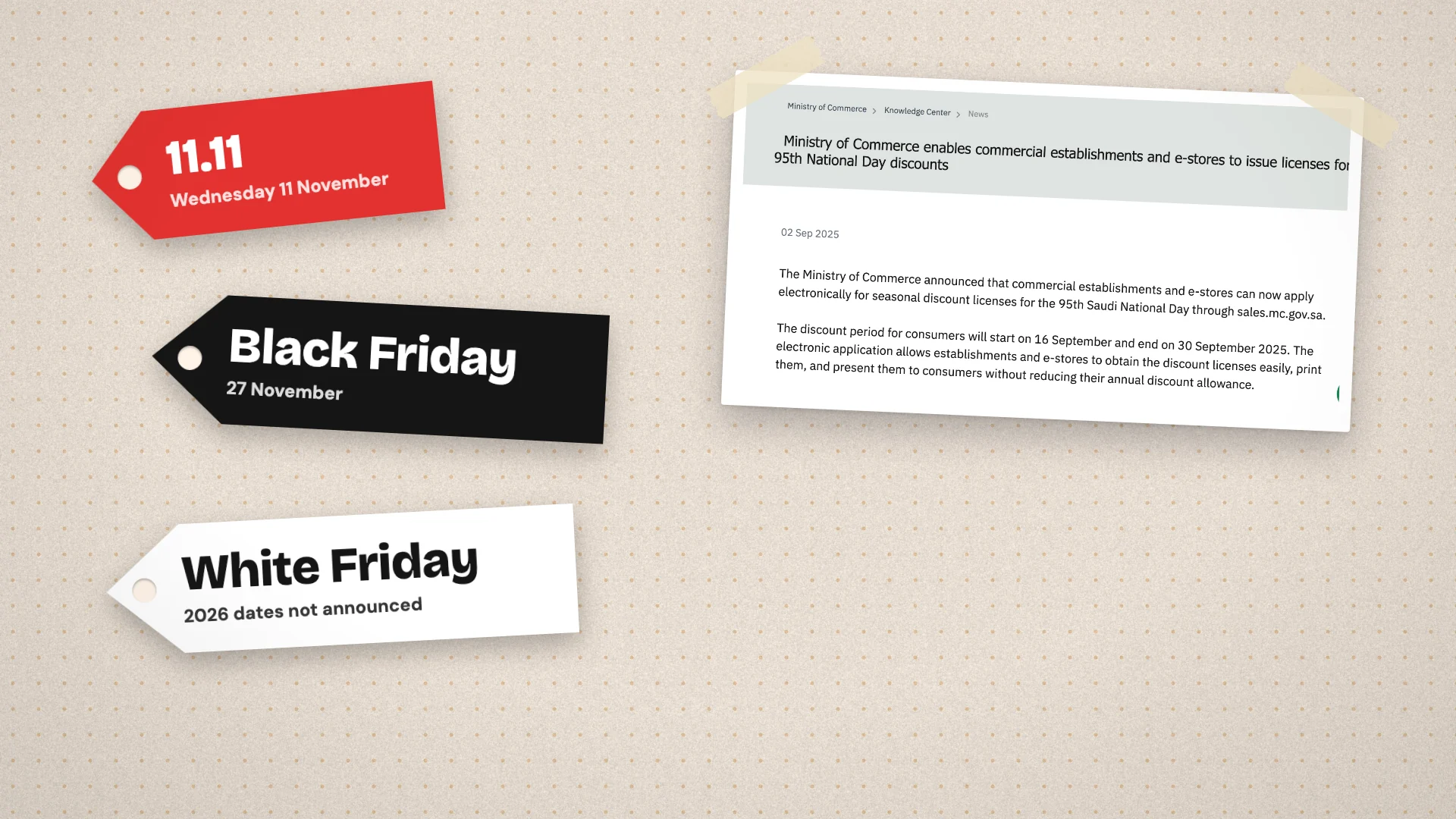
White Friday, 11.11 and Black Friday 2026: planning Q4 retail in the Gulf
November is the Gulf's biggest online shopping month. The 2026 sale dates are not announced yet, but the pattern is clear, and both Dubai and Saudi Arabia require a permit or licence before a discount goes live.
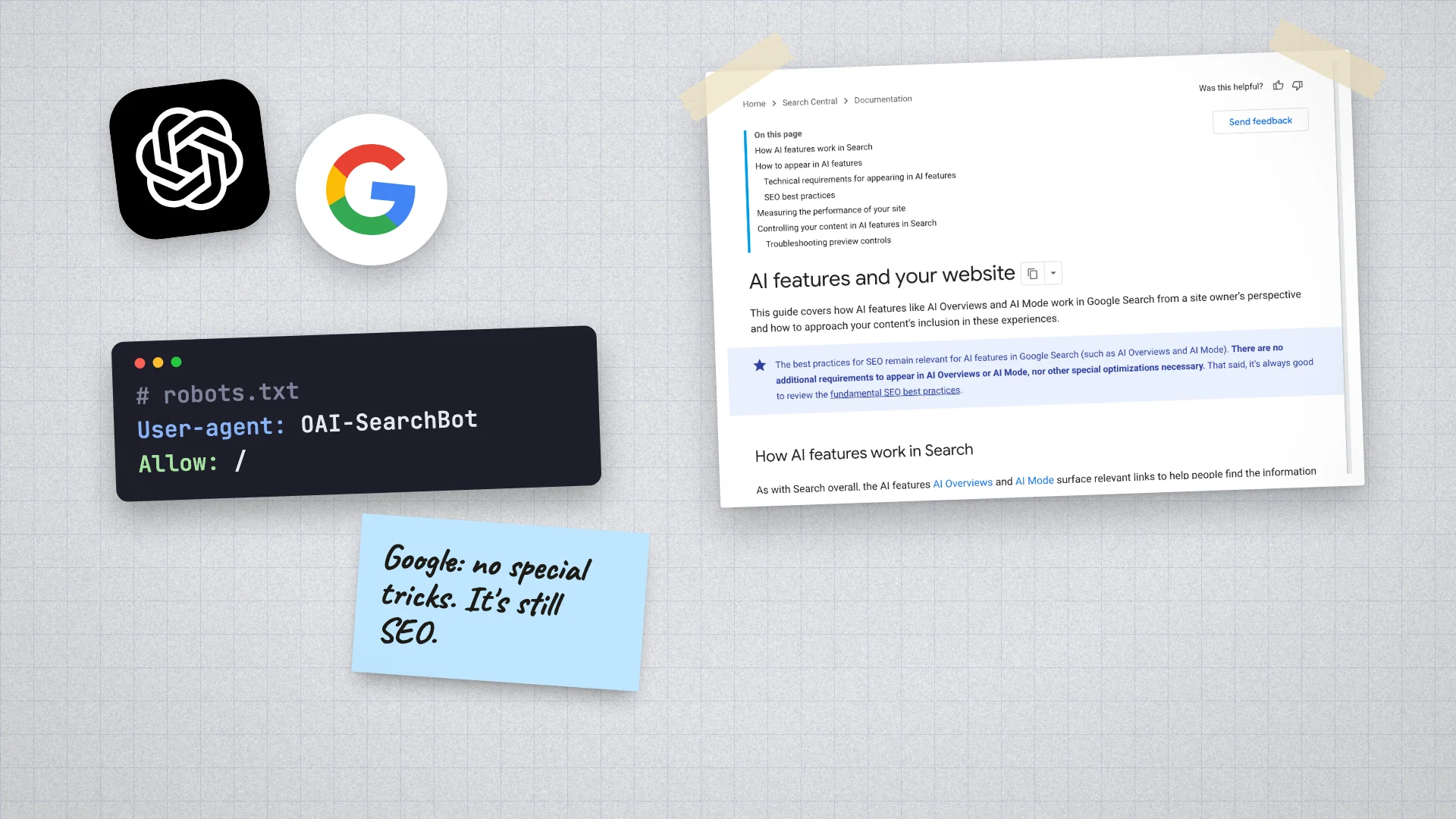
How to get a brand cited by ChatGPT and Google's AI
Google says there are no special tricks for its AI features, and ChatGPT search uses its own crawler. Here is what the platforms actually say about being cited, the controls in robots.txt, and how to measure the traffic.
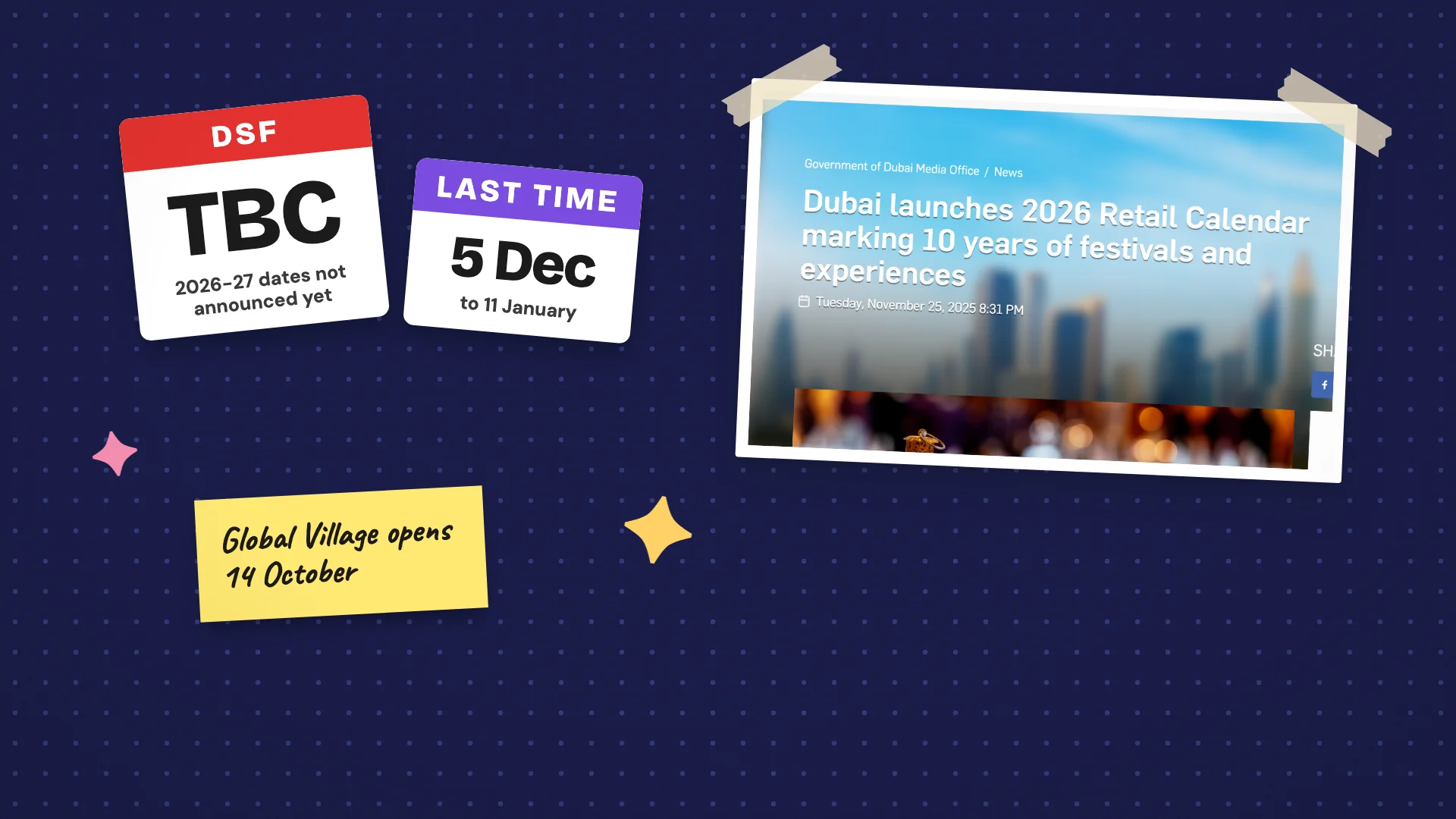
Dubai Shopping Festival 2026-27: what brands can plan now
The 32nd Dubai Shopping Festival has no official dates yet. Last year's ran from 5 December to 11 January. Here is what the festival involves, how retailers take part, and what else is on in Dubai this winter.
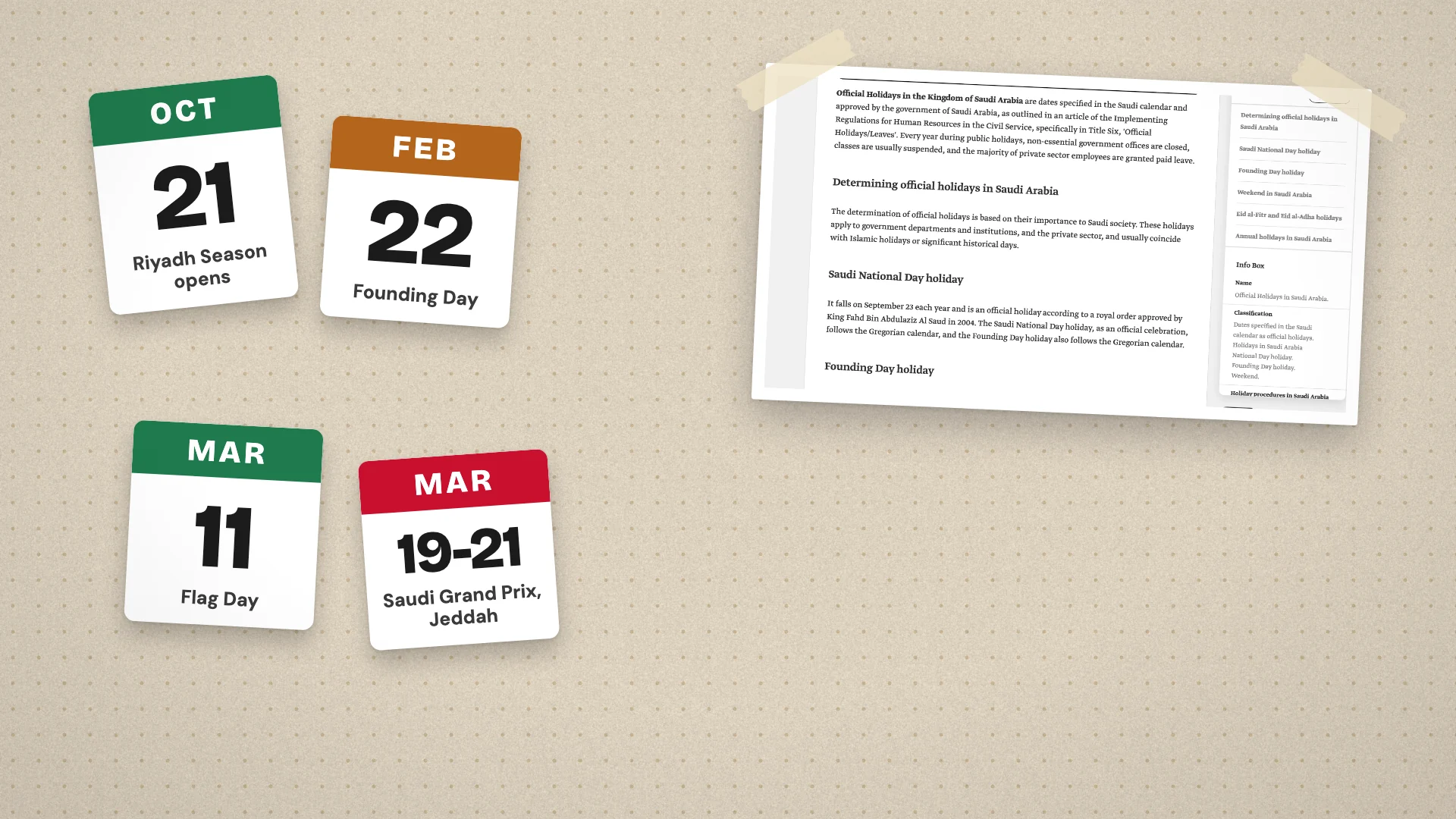
The Saudi calendar for brands, October 2026 to March 2027
Riyadh Season opens on 21 October, Founding Day may fall in the middle of Ramadan, and the Saudi Grand Prix is back on the calendar for March. Here is what is confirmed, what is not, and the rules on national symbols that trip up campaigns.
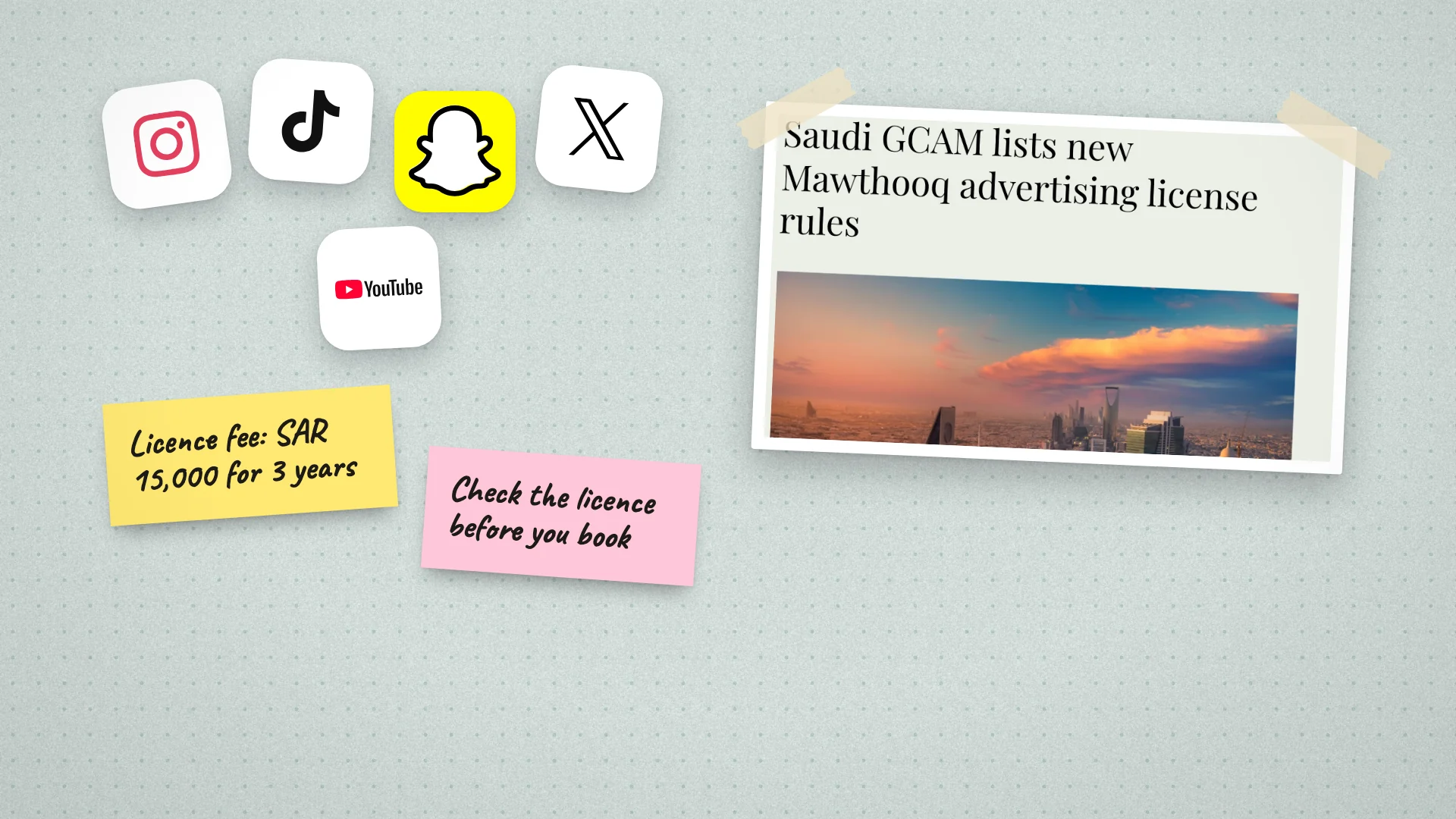
Mawthooq: Saudi Arabia's influencer licence, explained for agencies
Anyone advertising on social media to Saudi audiences needs a licence, and agencies may not book creators without one. Here is who needs Mawthooq, what it costs, how foreign creators fit in, and the penalty figures that get misquoted.
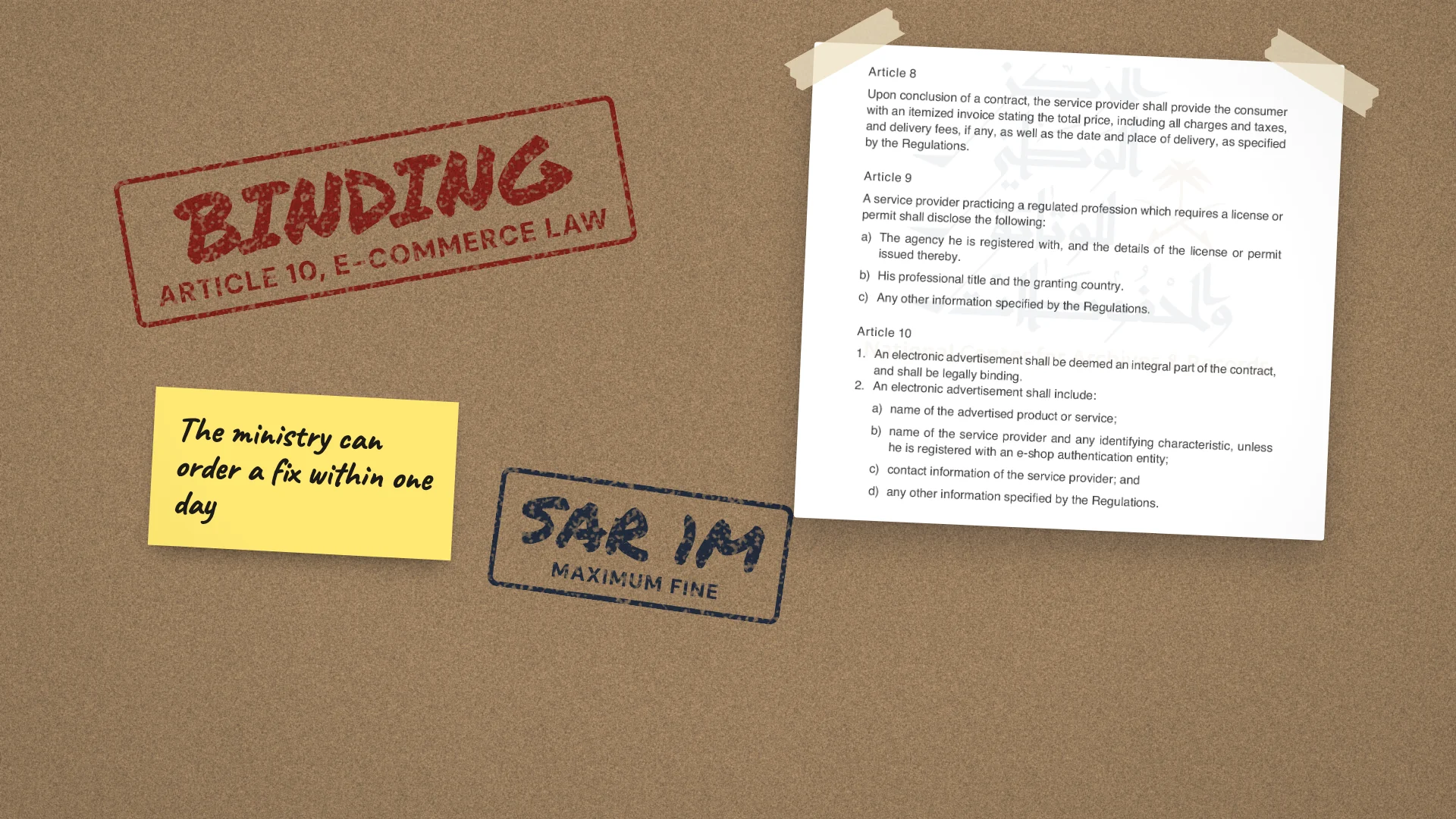
Advertising in Saudi Arabia: the rules brands and agencies need to know
Saudi advertising is policed by several bodies at once: the media regulator, the Ministry of Commerce and sector regulators. Here is who enforces what, the content controls added in 2025, and the E-Commerce Law's one-day takedown.
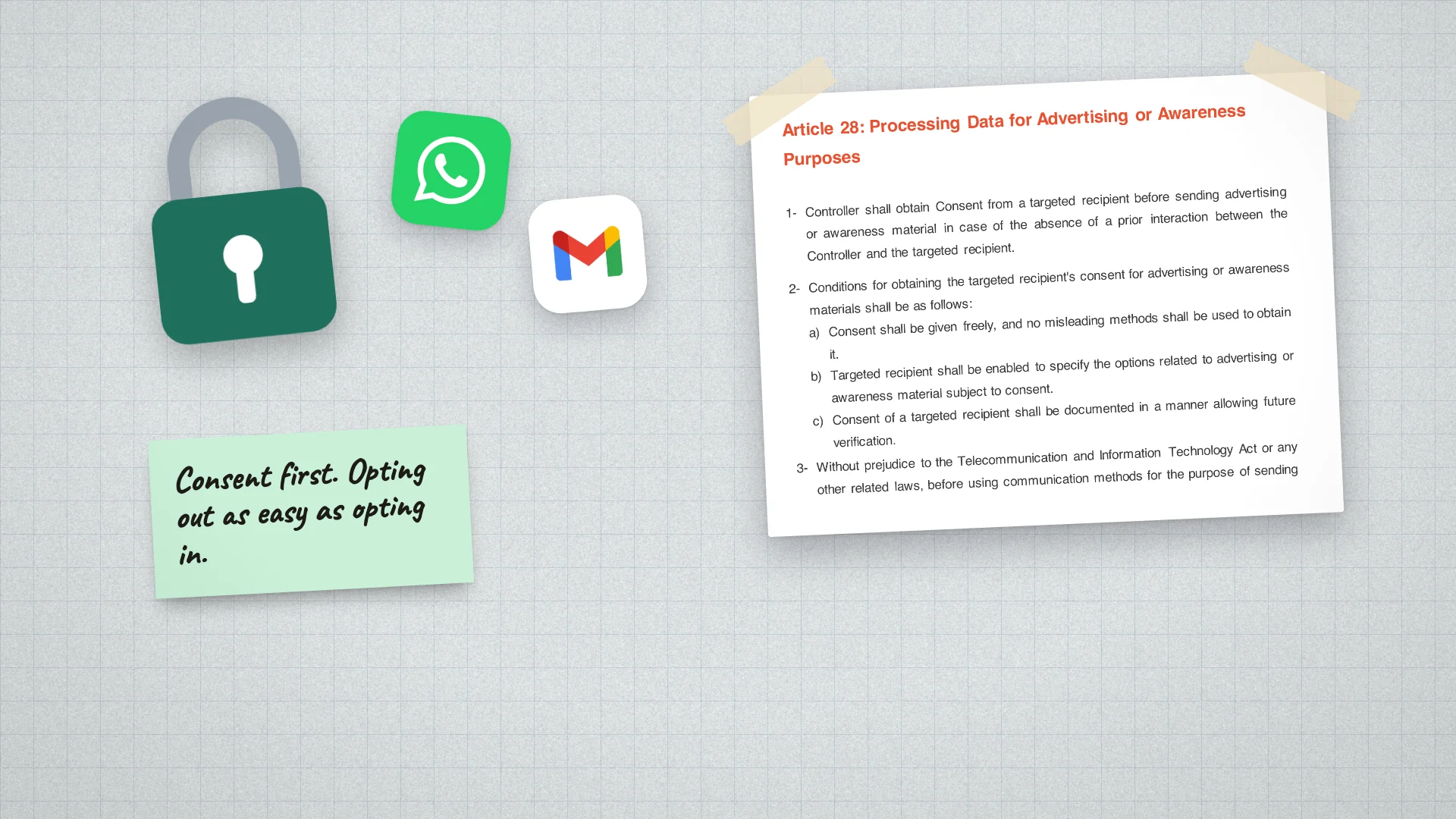
Saudi Arabia's data protection law for marketers: consent, leads and WhatsApp
Saudi Arabia's Personal Data Protection Law has been enforced since its grace period ended in September 2024, and it reaches agencies outside the Kingdom. Here is what it asks of lead forms, marketing messages and data sent to the UAE.
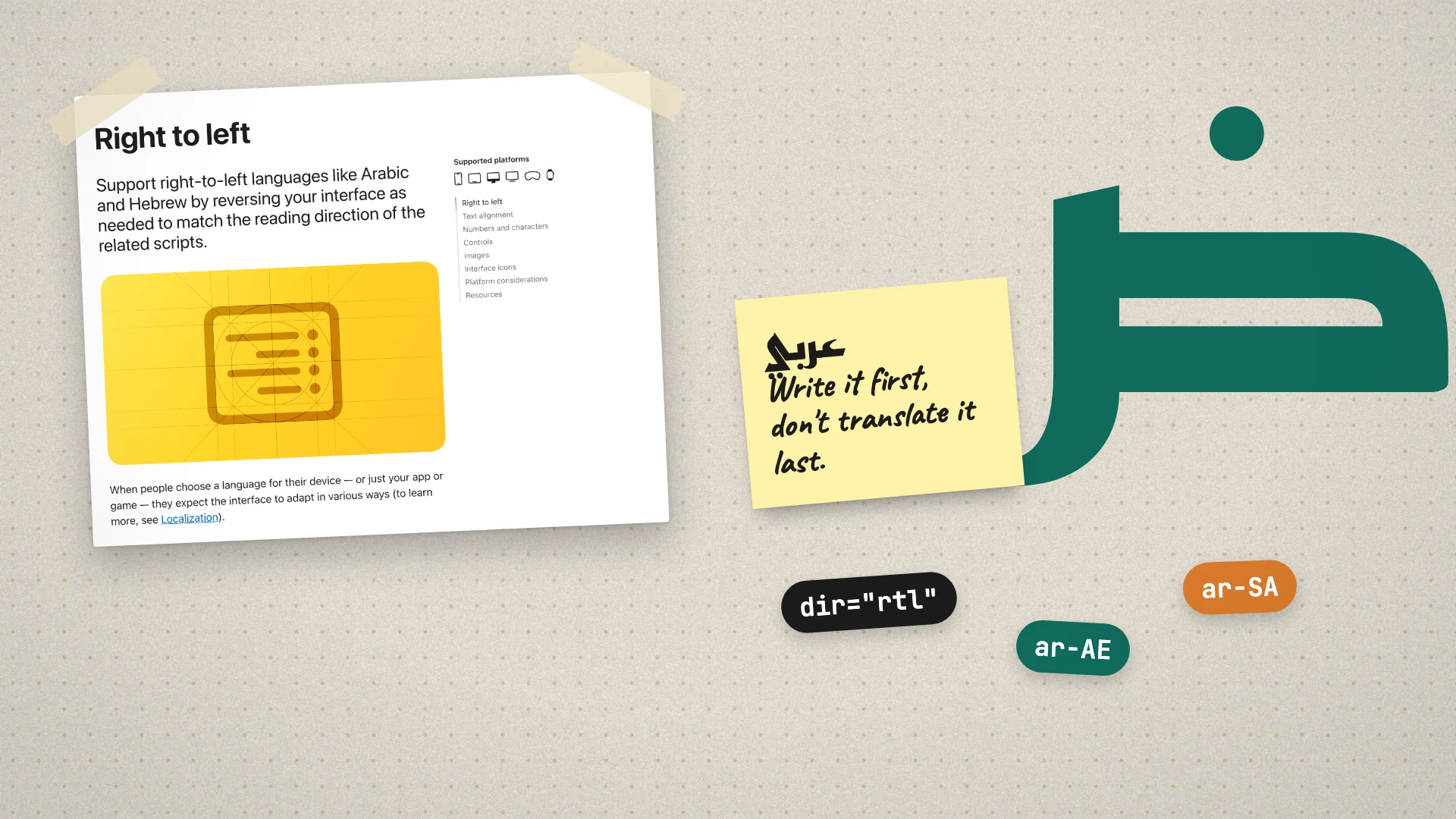
Arabic content that works for Gulf brands: rules, dialects and right-to-left
No single UAE law requires every ad to be in Arabic, but specific rules do, and young audiences say they want more Arabic content that does not feel dated. Here is what the rules say, what the surveys found and the right-to-left mistakes to avoid.
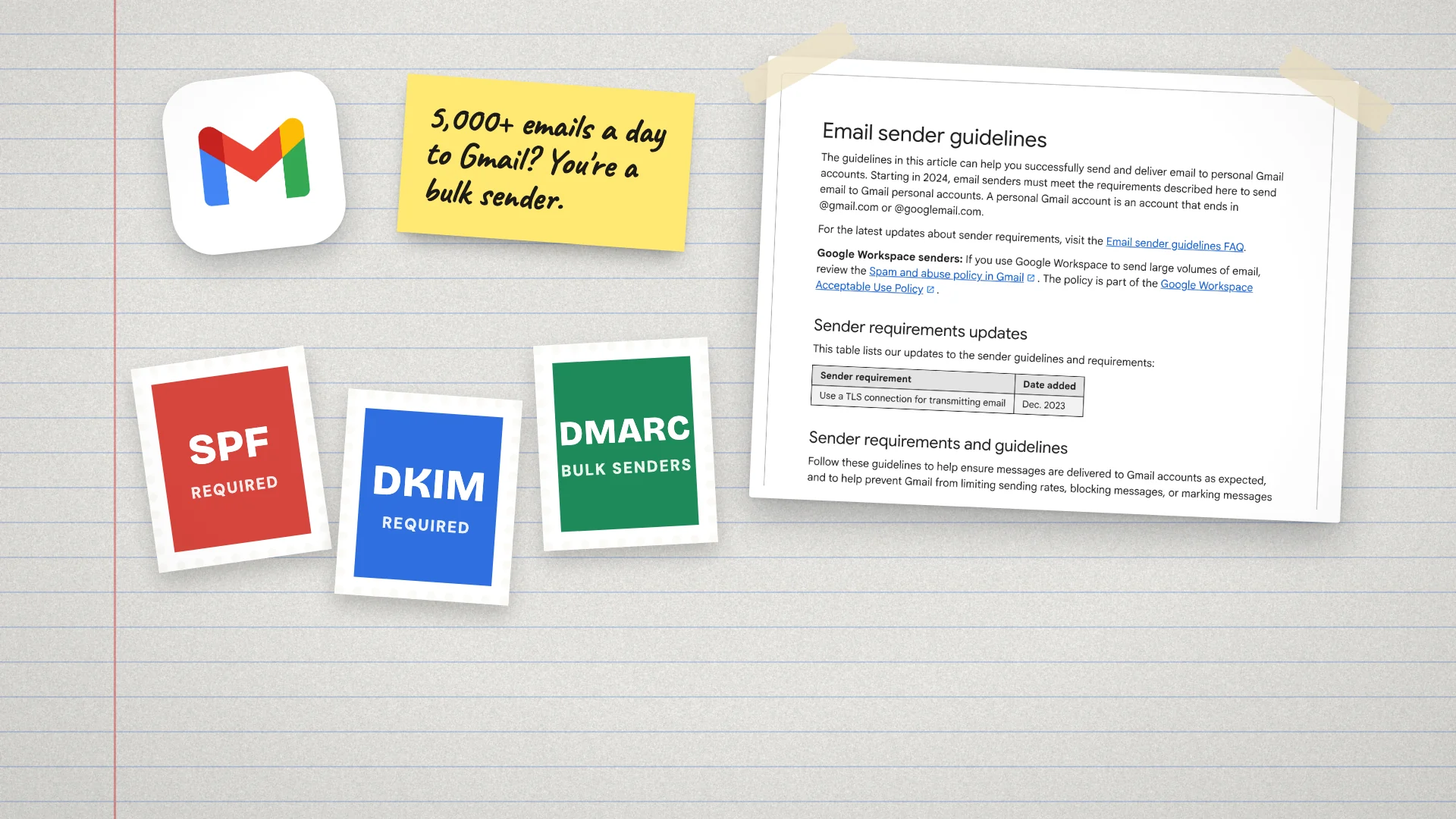
Email marketing in the Gulf: the deliverability rules Gmail, Yahoo and Outlook enforce
Bulk senders now need authenticated domains, one-click unsubscribe and low spam rates, or their email is rejected. Here is what Gmail, Yahoo and Outlook require, why open rates mislead, and how to get Arabic emails right.
UAE data protection for agencies: what applies now, and what is still missing
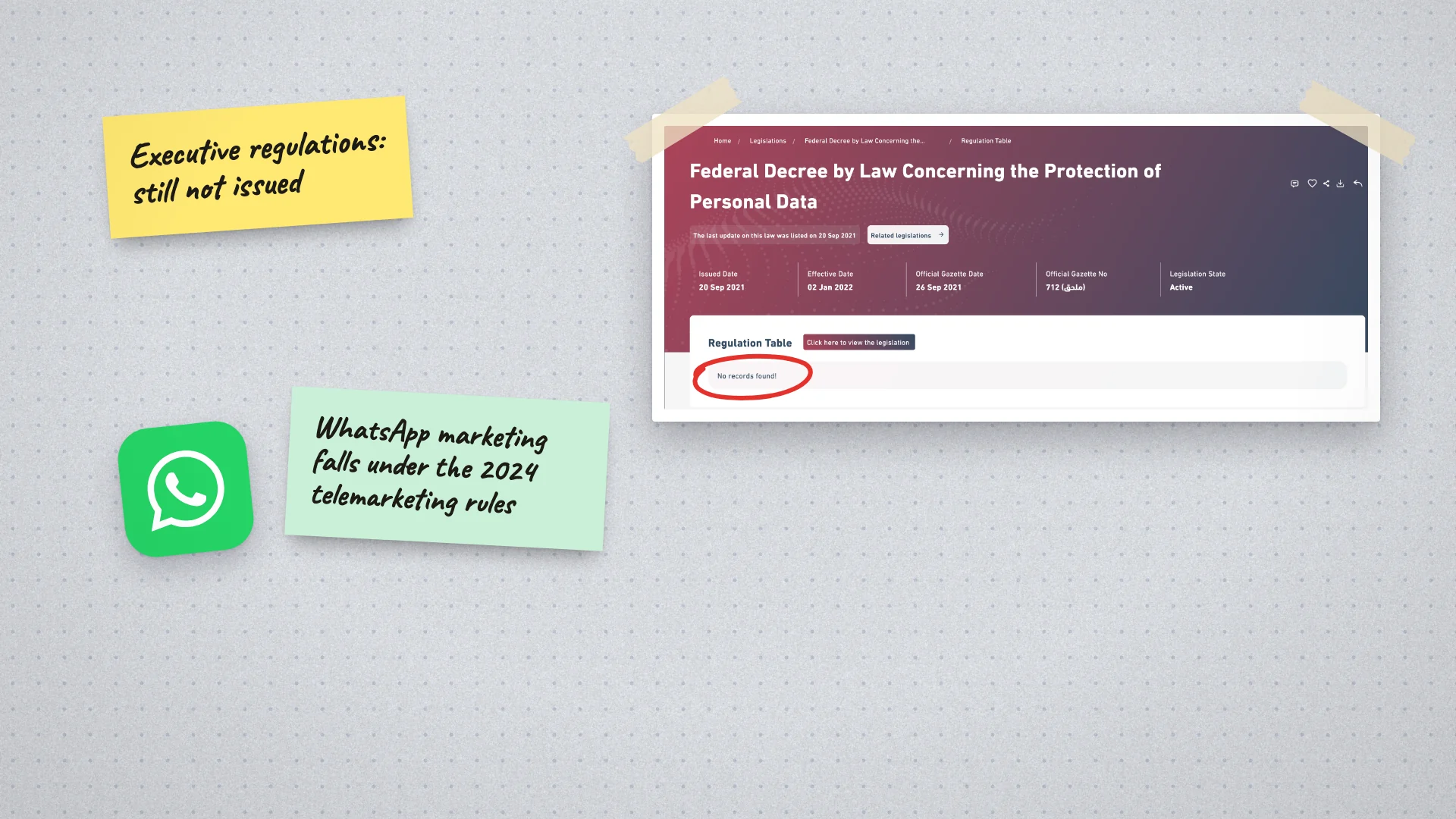
The UAE's data protection law has been in force since 2022, but its executive regulations have never been issued and it has no fines yet. The telemarketing rules covering WhatsApp and SMS have very real penalties. Here is where agencies stand.
When a client won't pay: recovering agency fees in the UAE
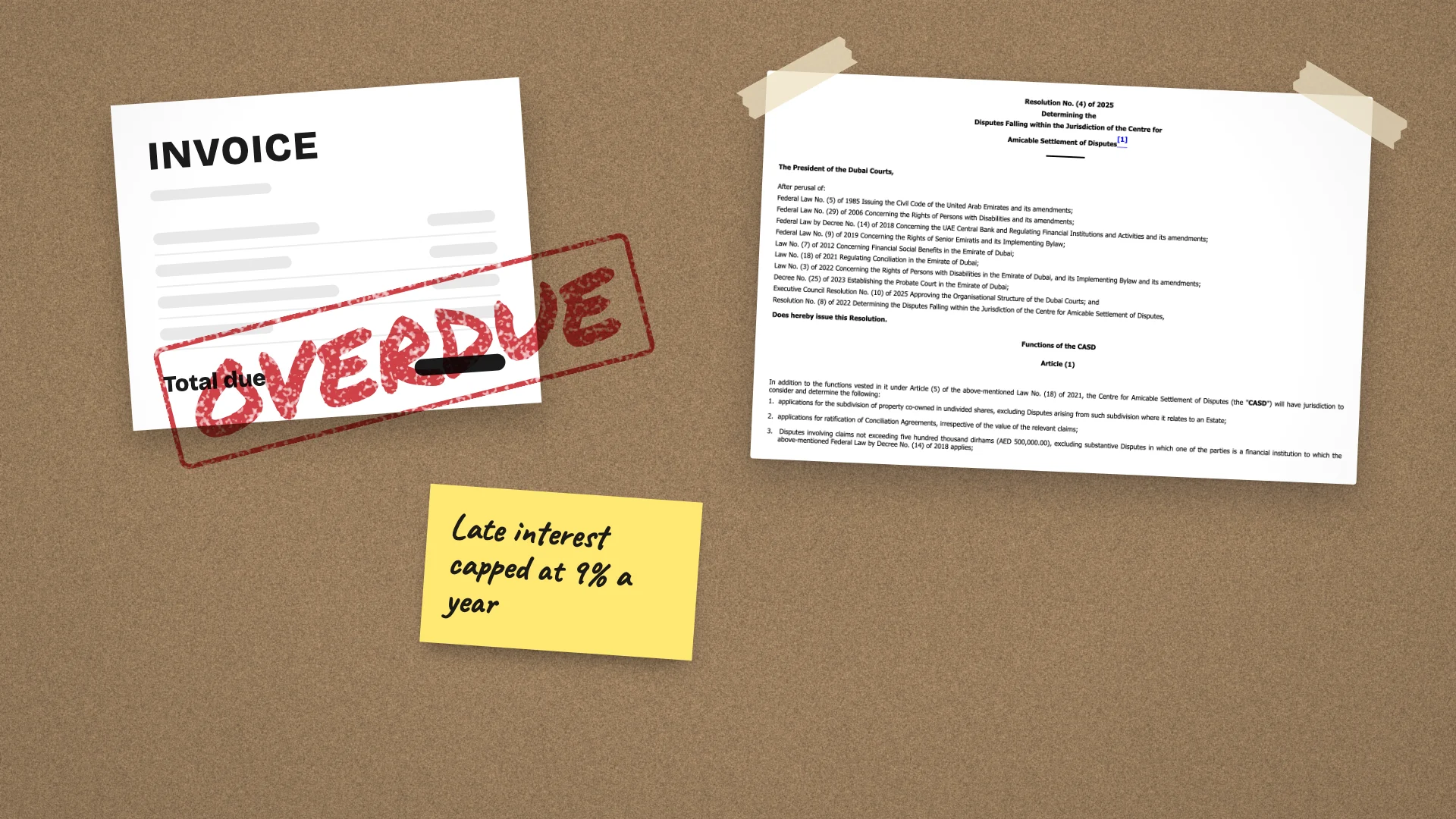
Most late payers pay after a firm reminder. For the rest, UAE law offers payment orders, small claims courts and, in Dubai, a settlement centre that smaller claims must go through first. Here is the route, with the rules that changed in 2023.
Freelance permit, mainland or free zone: the right licence for a UAE agency
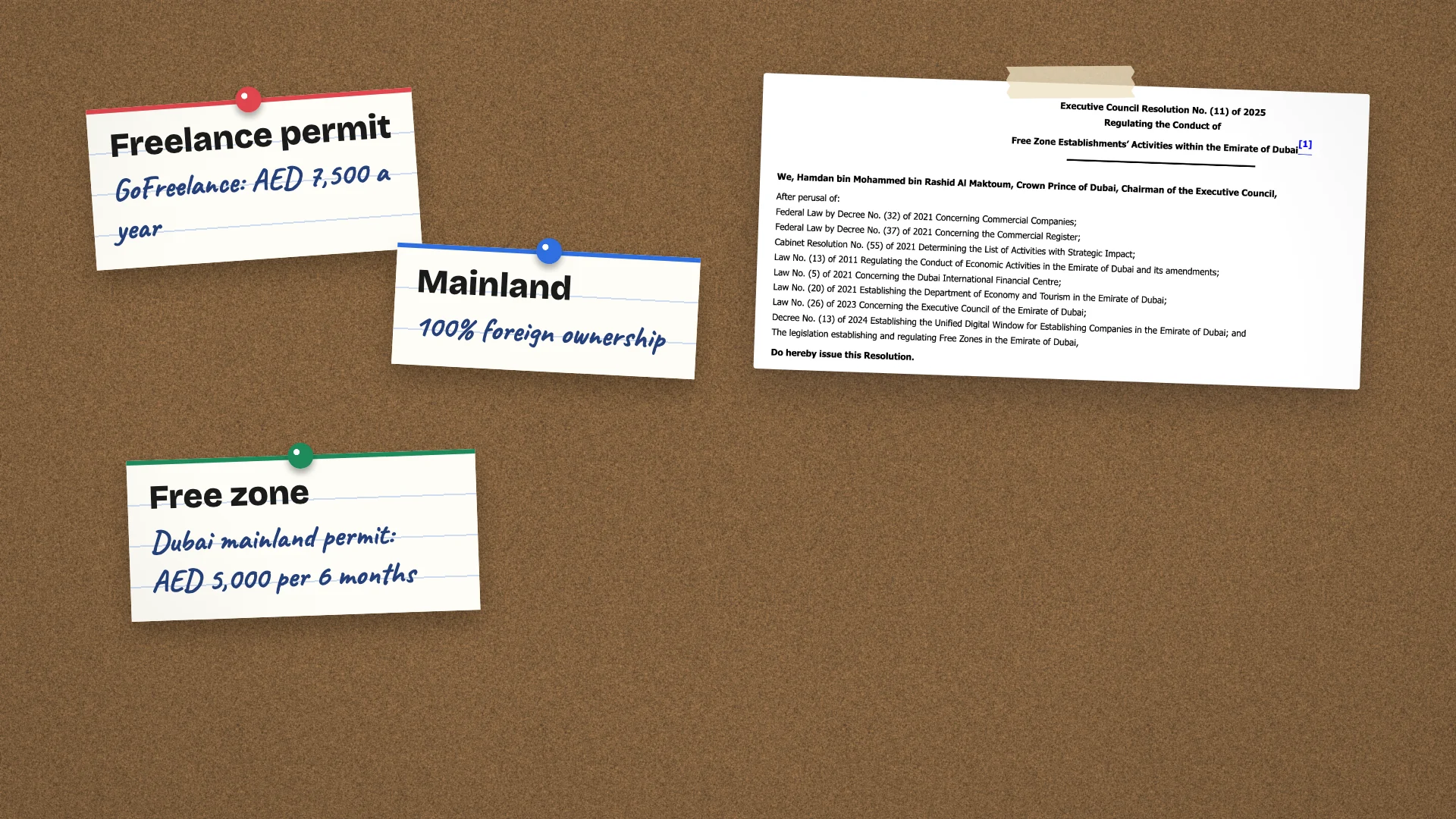
Your licence decides where you can work, who you can contract with and how you are taxed. Dubai changed the free zone rules in 2025. Here is how the options compare for a marketing or creative agency.
Emiratisation in 2026: does it apply to your agency?
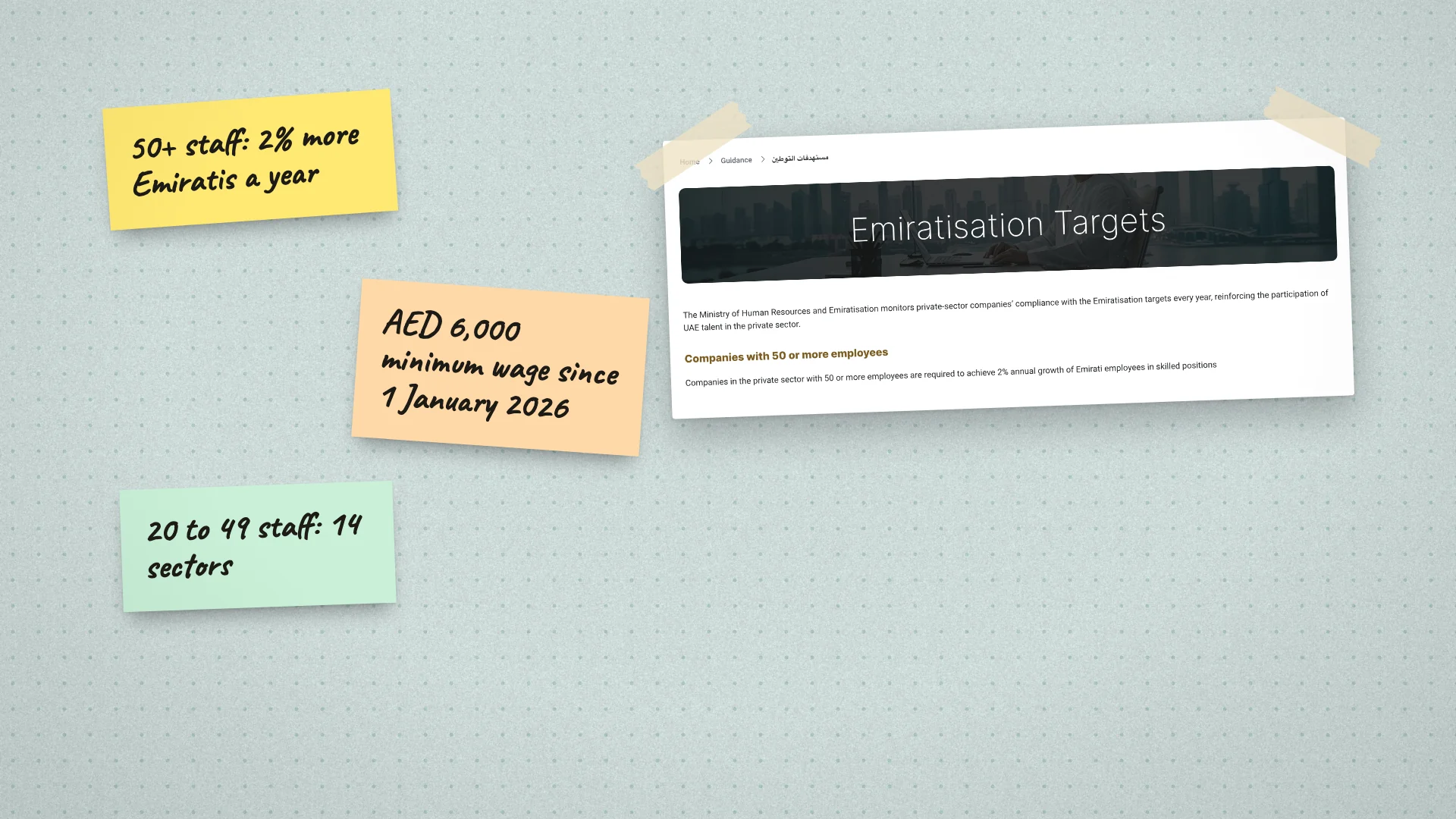
Companies with 50 or more staff must grow Emirati headcount by 2% a year, and smaller companies in 14 sectors, including professional and technical activities, have their own targets. Here is what applies, what it costs and what changed in 2026.
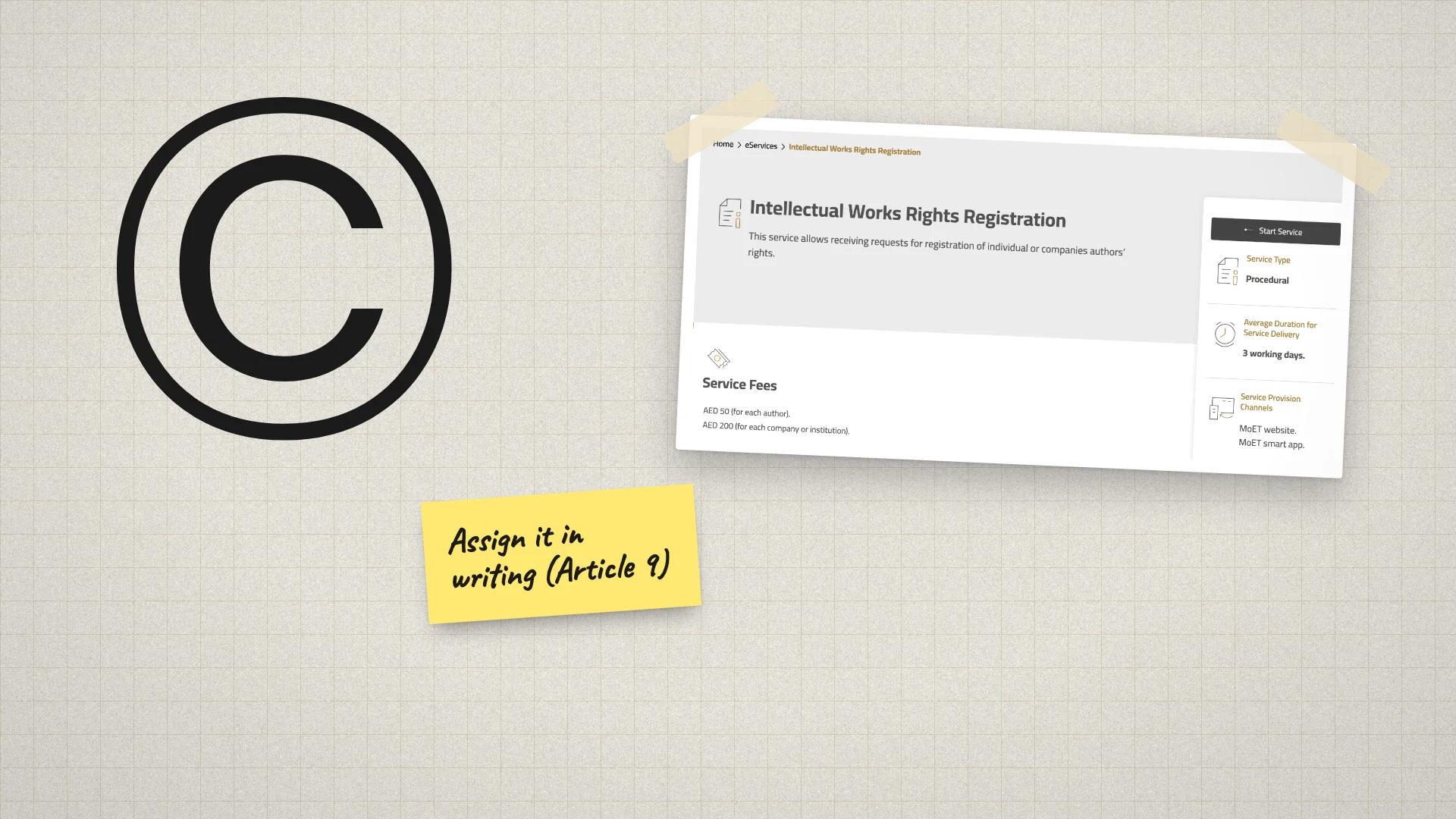
Who owns the creative work? Copyright in UAE agency contracts
Under UAE law, rights not expressly assigned in writing stay with the author, moral rights can never be signed away, and a clause covering all future work is void. Here is what that means for agencies, clients and freelancers.
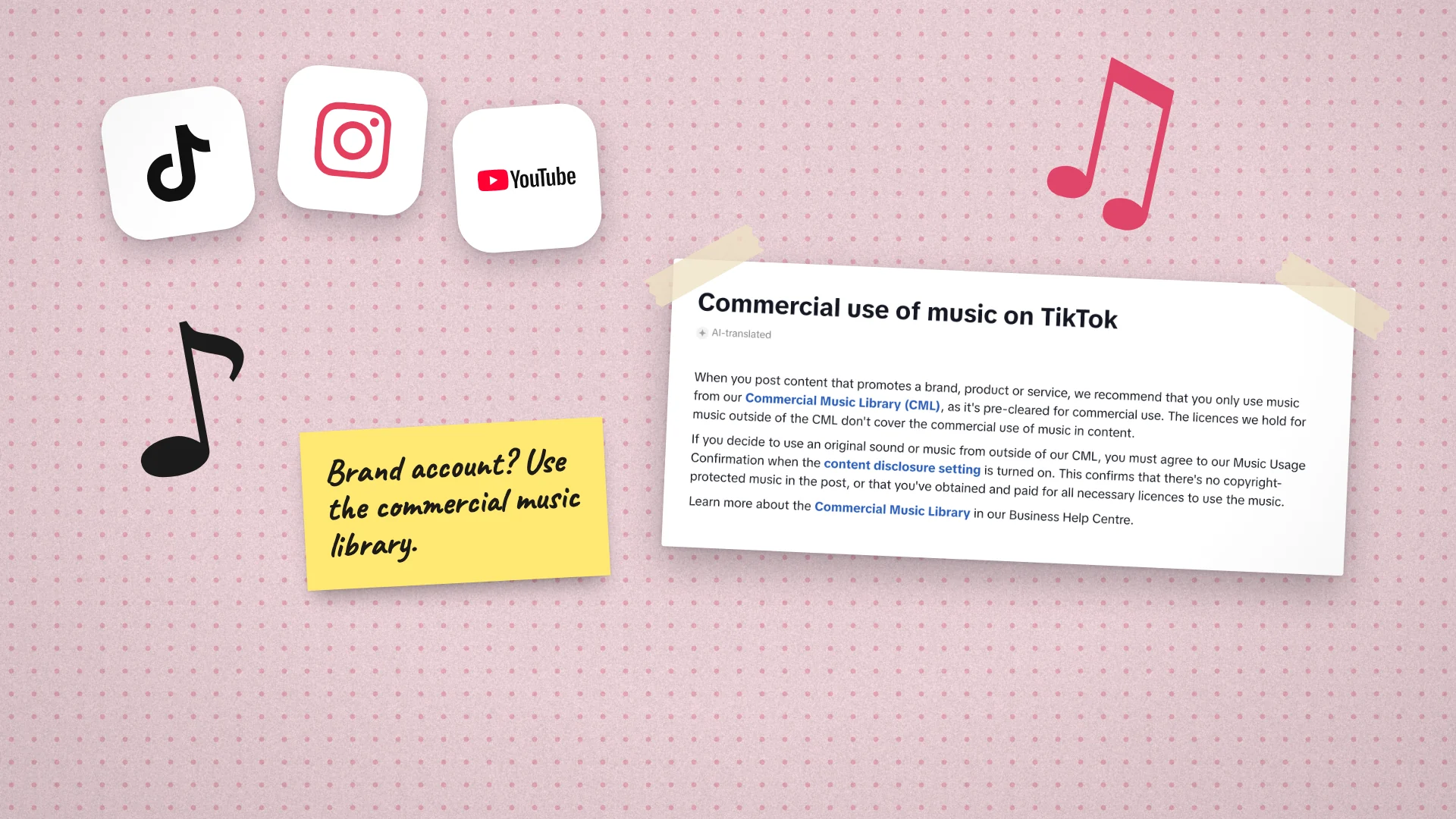
Music in brand social videos: why accounts get muted, and what is licensed
Trending sounds are licensed for personal use, not for brands, and business accounts that use them get muted, blocked or removed. Here is what each platform allows in commercial content, and what UAE copyright law adds.
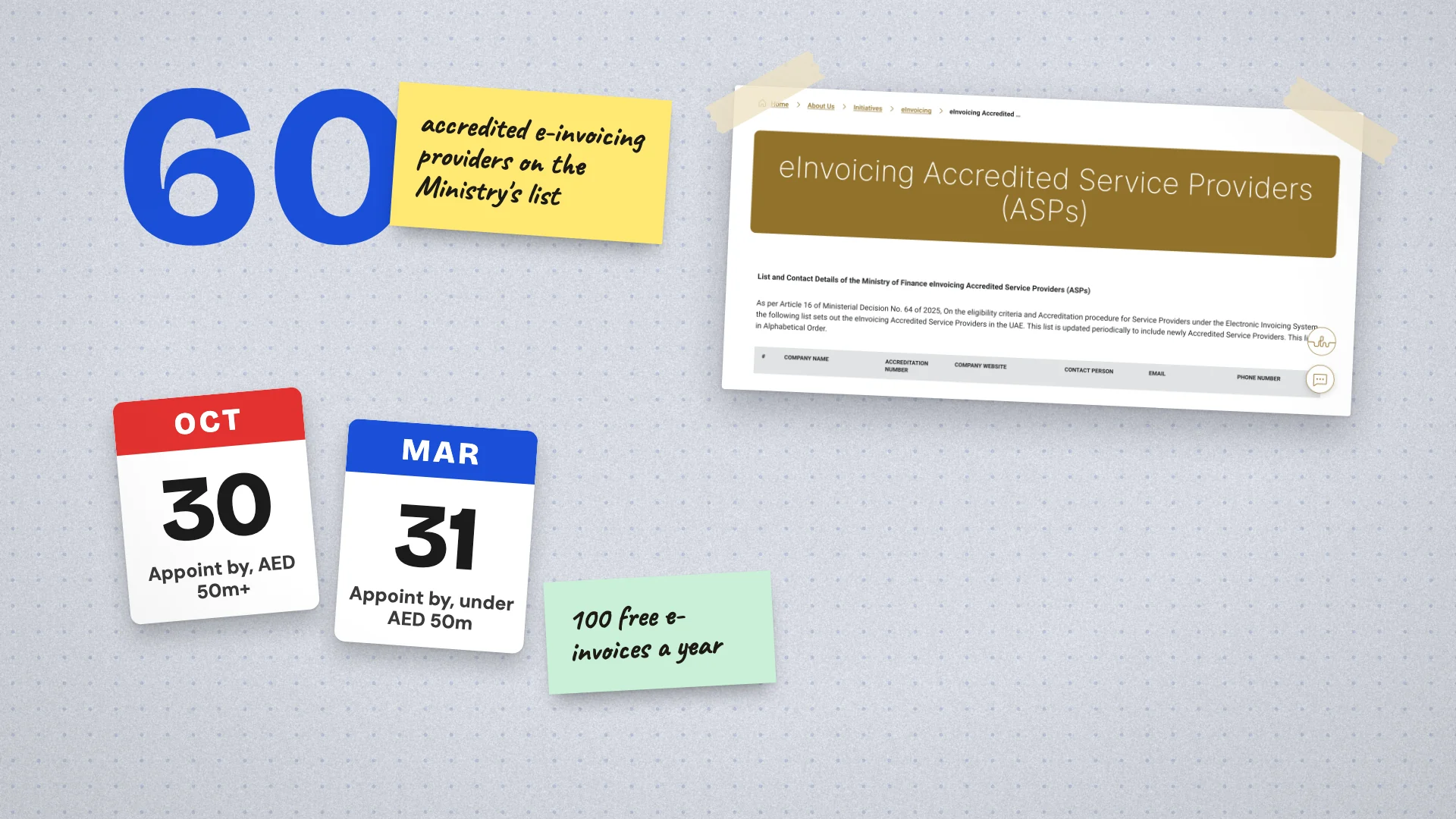
How to choose an e-invoicing provider in the UAE
Every business in scope must appoint one accredited service provider for both the e-invoices it sends and the ones it receives. Here is what the rules already guarantee you, what the Ministry of Finance says to check, and what to put in the contract.
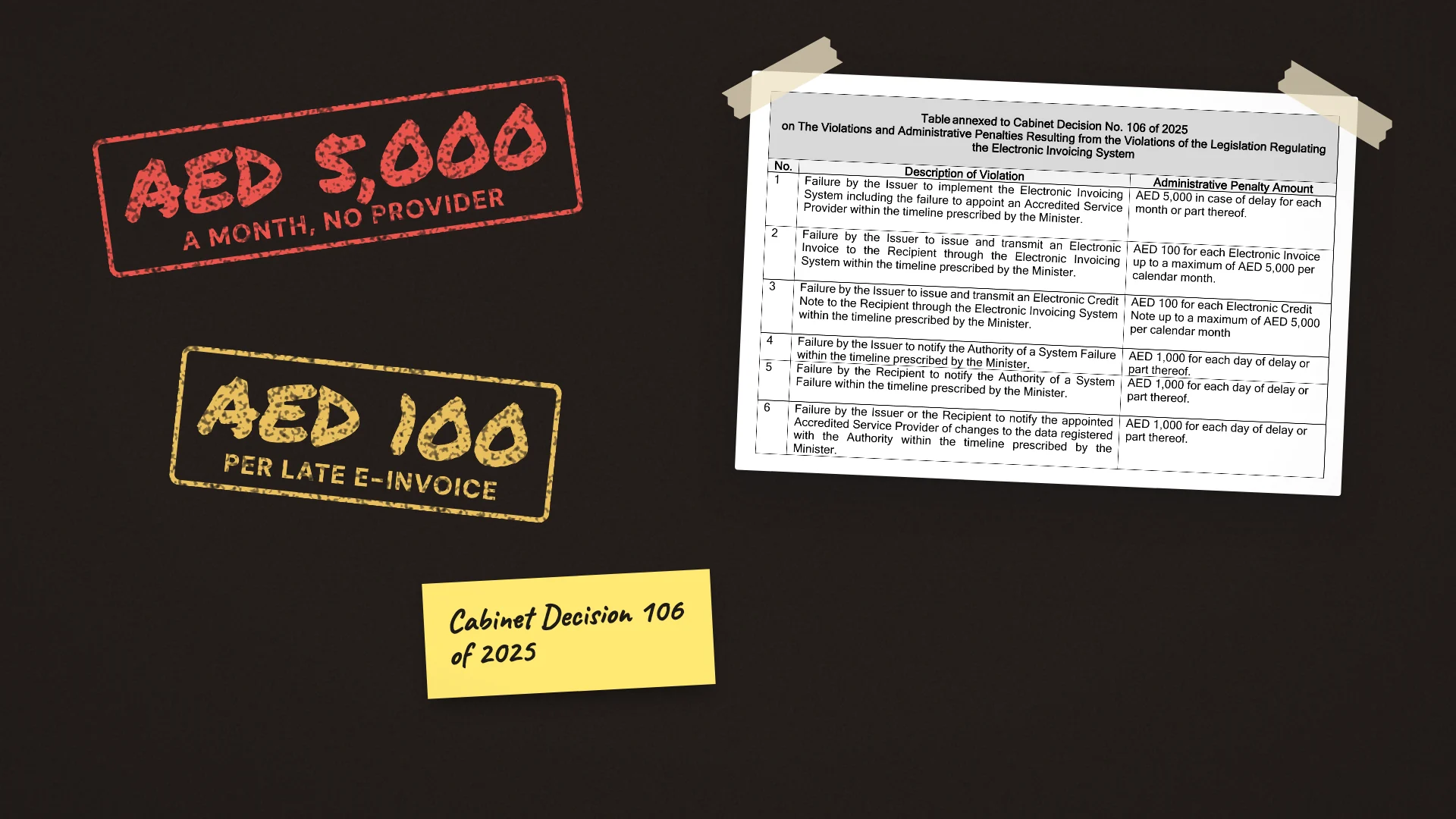
UAE e-invoicing penalties: the full table, from the source
Cabinet Decision 106 of 2025 sets six penalties for e-invoicing failures, from AED 100 per invoice to AED 5,000 a month. Here is the table as published, what each line means and when it starts to apply.
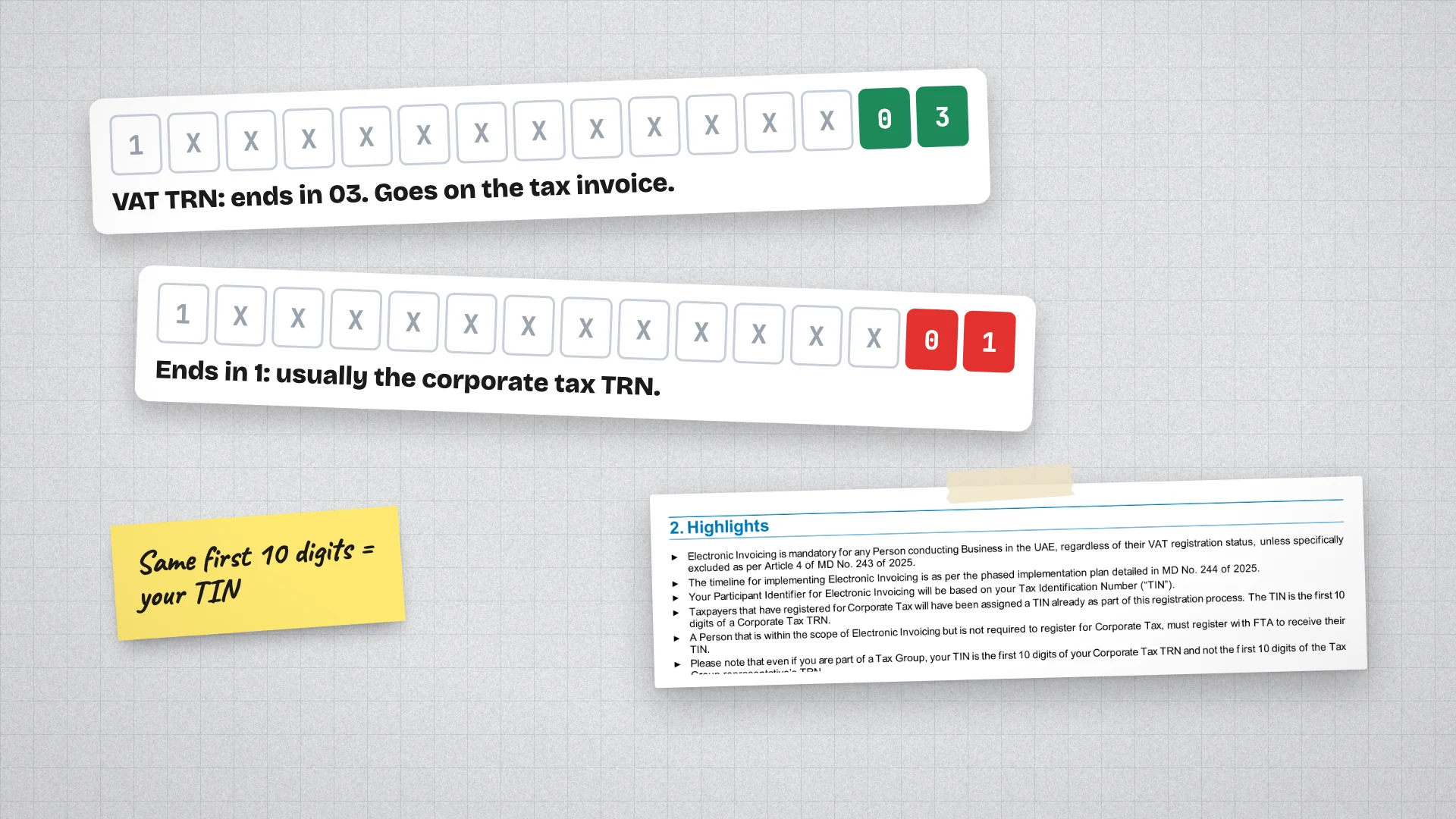
VAT TRN or corporate tax TRN: which number goes on your invoice?
Most UAE businesses now hold two tax registration numbers that look almost identical. Only one belongs on a tax invoice, and e-invoices will reject the wrong one. Here is how to tell them apart.
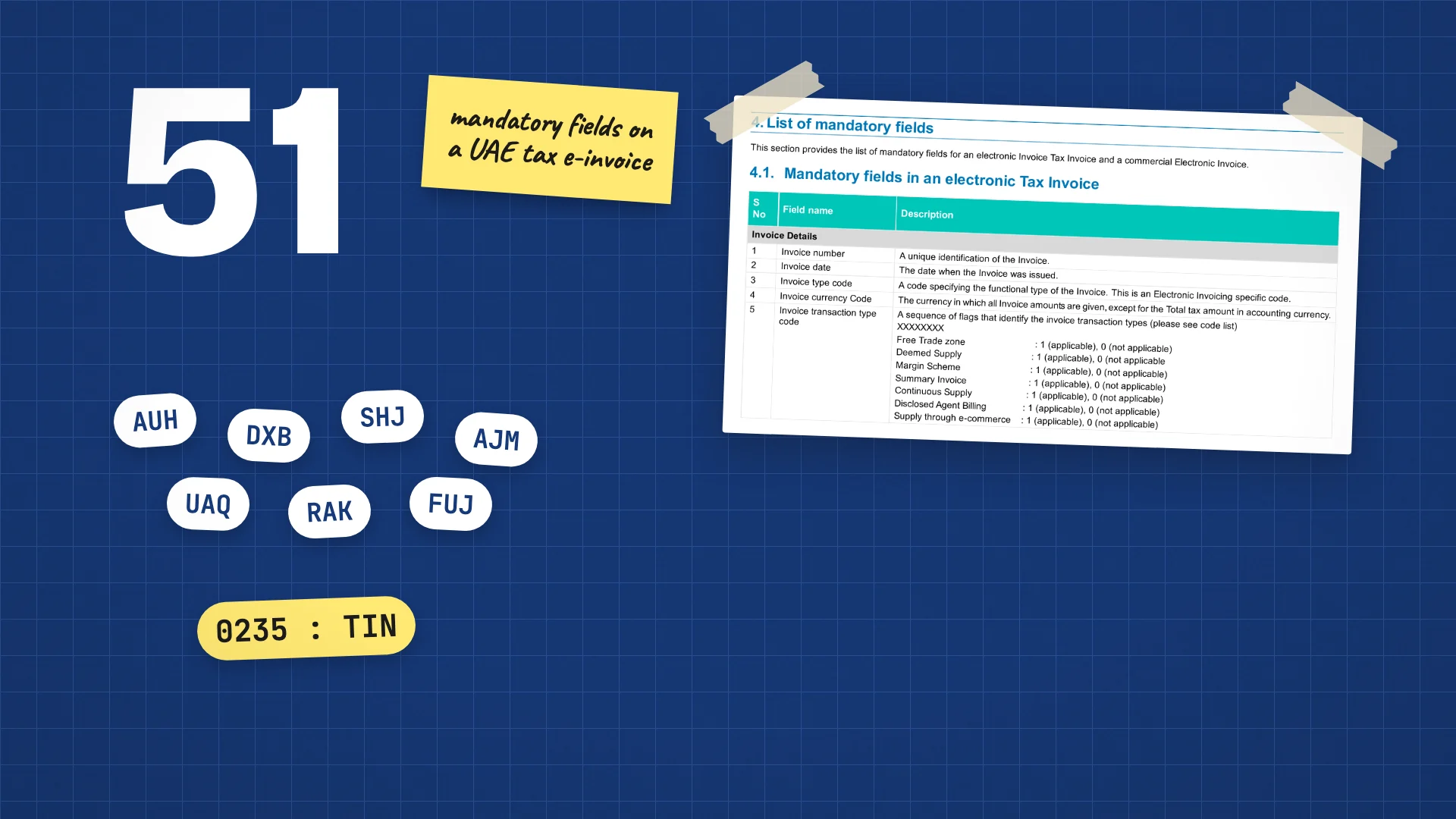
What has to be on a UAE e-invoice: the mandatory fields, explained
The Ministry of Finance lists 51 mandatory fields for an electronic tax invoice and 49 for a commercial one. Most are on your invoices already. Here is what is new, what disappears, and the details that trip agencies up.
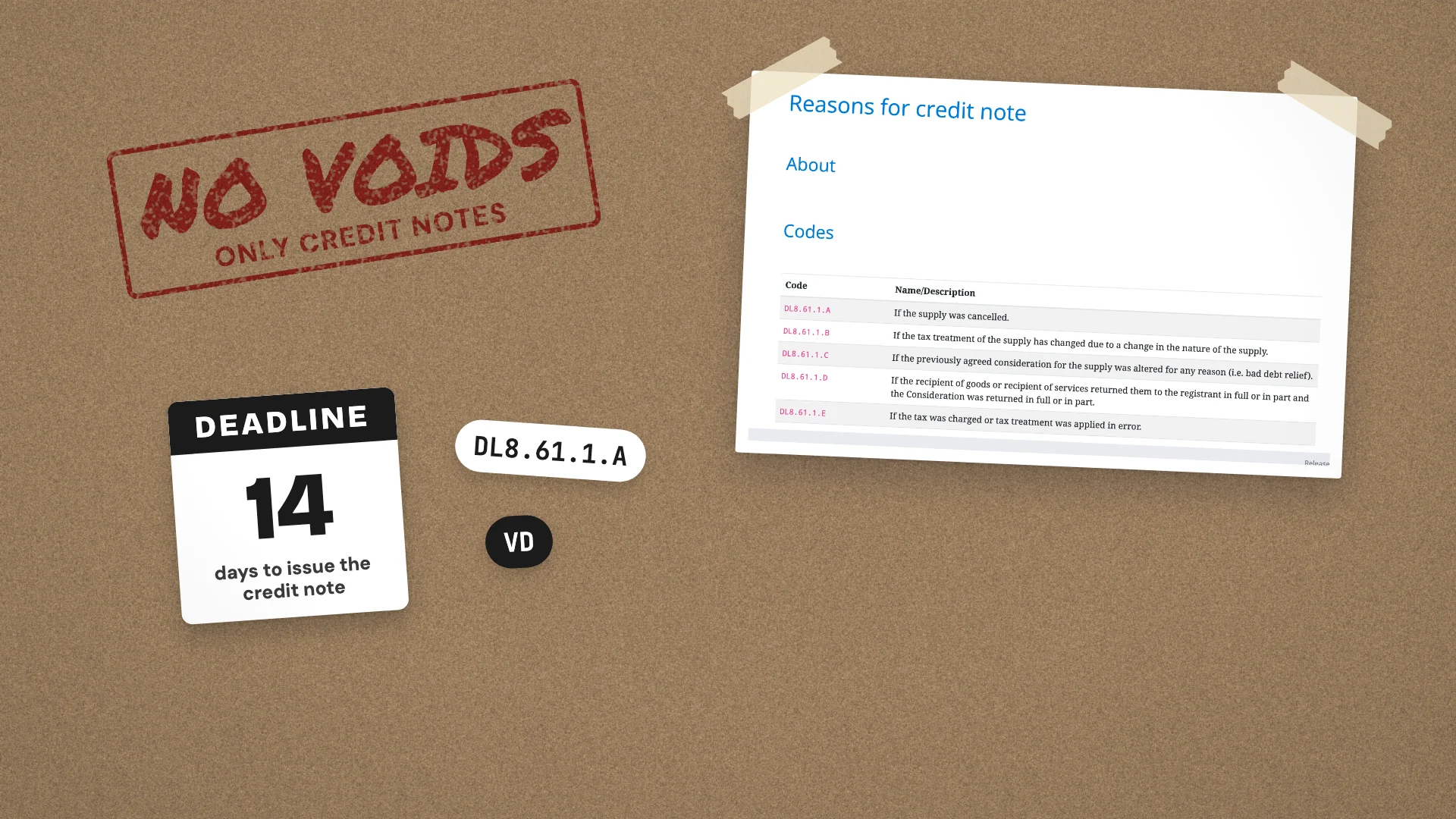
Credit notes under UAE e-invoicing: no voids, no deletes
Once an e-invoice is issued, it cannot be cancelled or edited. Every correction becomes a credit note, with a reason code, a reference to the original and a 14-day clock. Here is how it works.
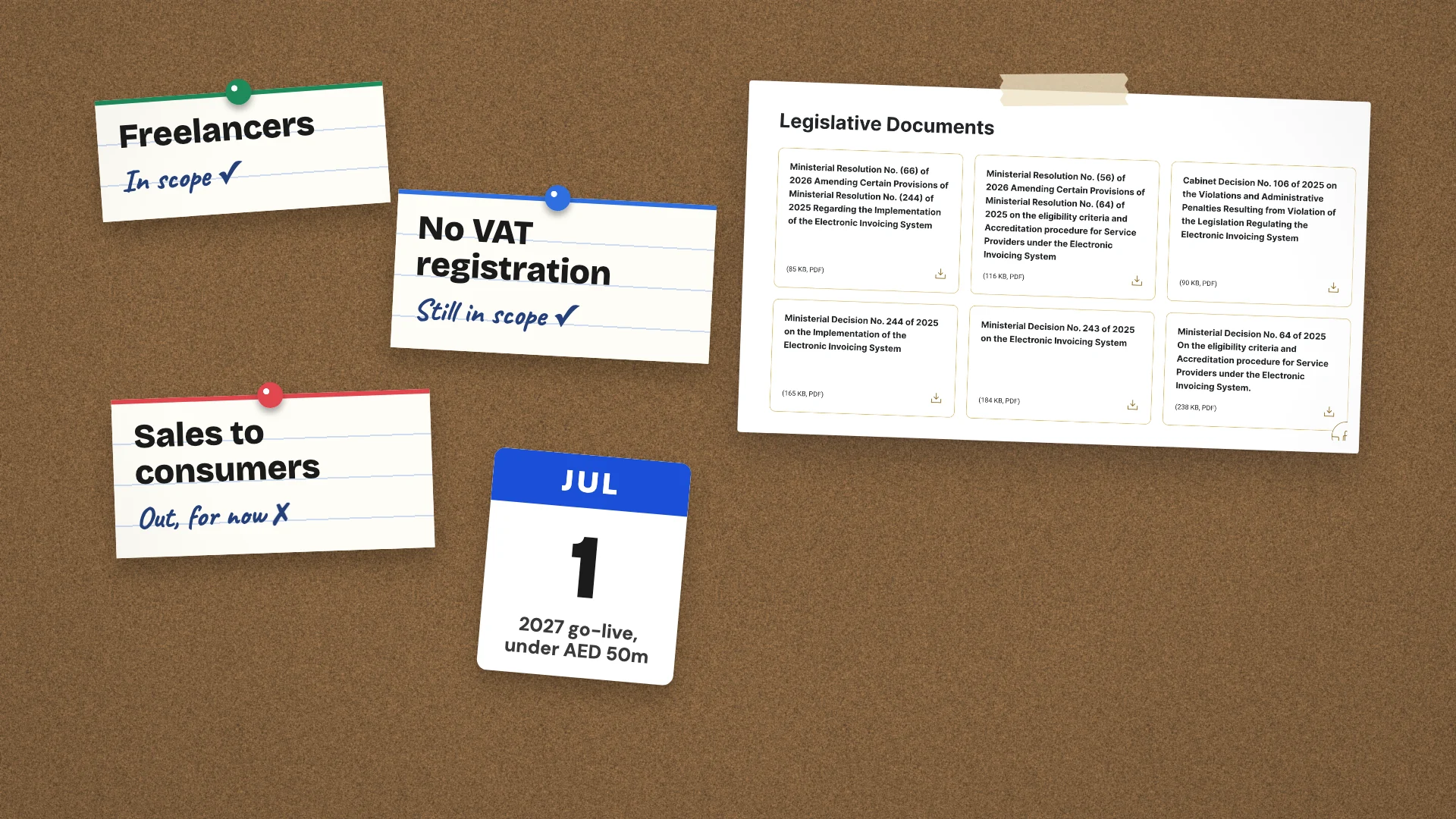
Do freelancers and small agencies need e-invoicing in the UAE?
Yes, if they bill other businesses. UAE e-invoicing applies whether or not you are registered for VAT, and there is no minimum revenue. Here is who is in, who is out, and the dates for smaller businesses.
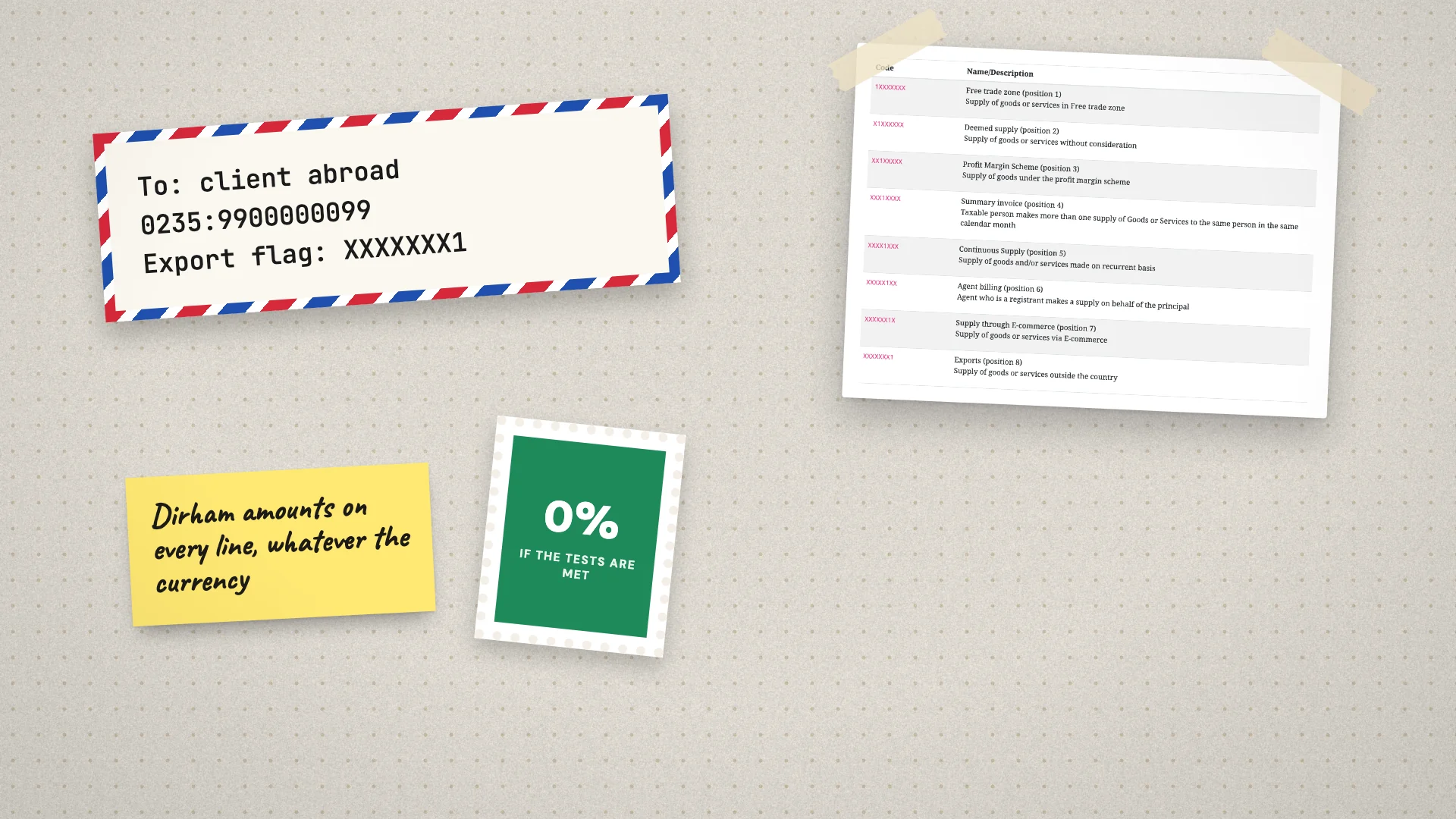
E-invoicing and VAT for UAE agencies with clients abroad
An invoice to a client in London or Riyadh is still a UAE e-invoice. Here is when it can be zero-rated, how foreign currency must be shown, and what changes in the file itself.
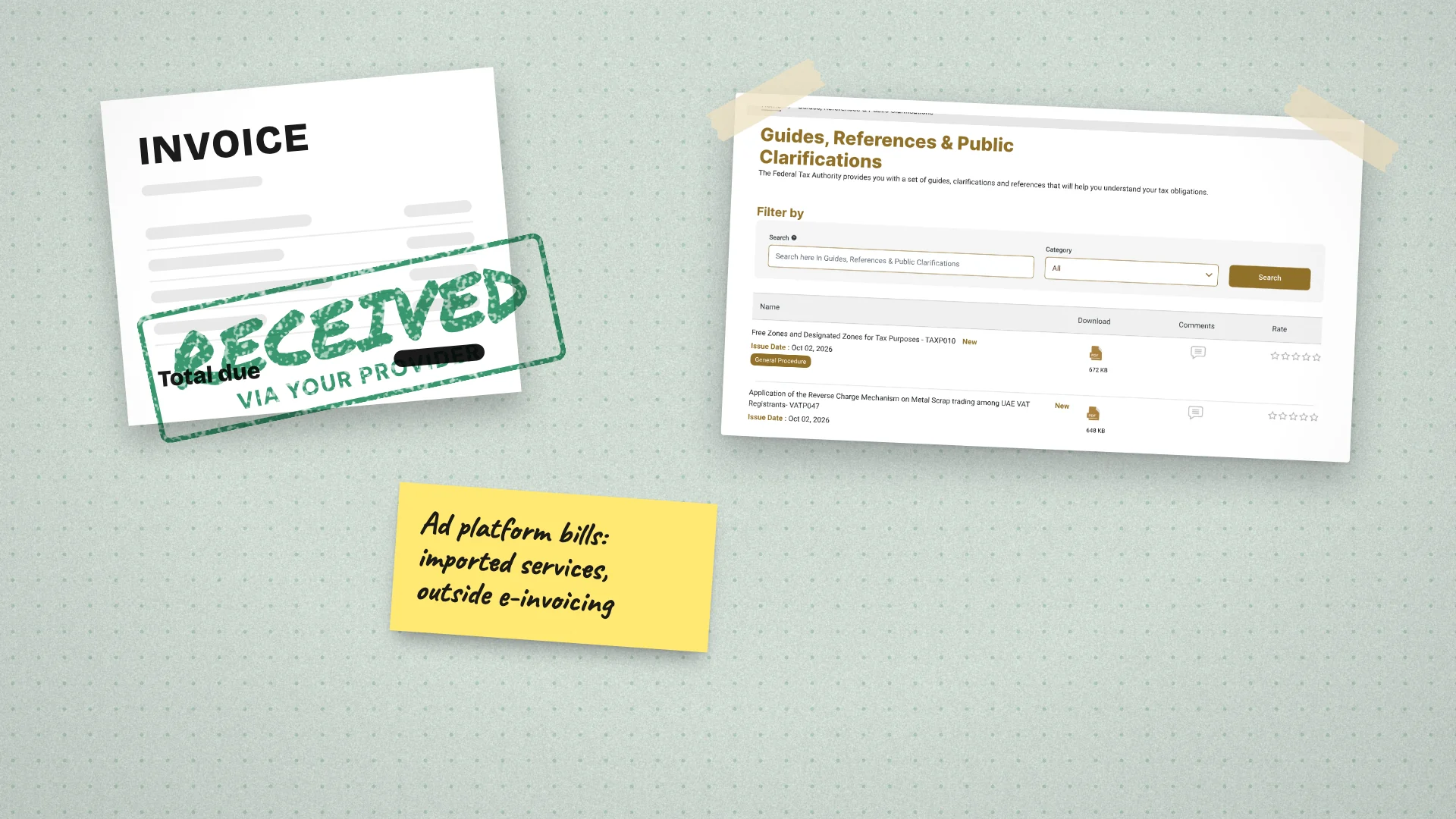
Supplier e-invoices and your input VAT: what changes for agencies
E-invoicing is not only about the invoices you send. Your provider receives your suppliers' invoices too, and the input VAT rules already refer to the system. Here is what agencies need to know on the buying side.
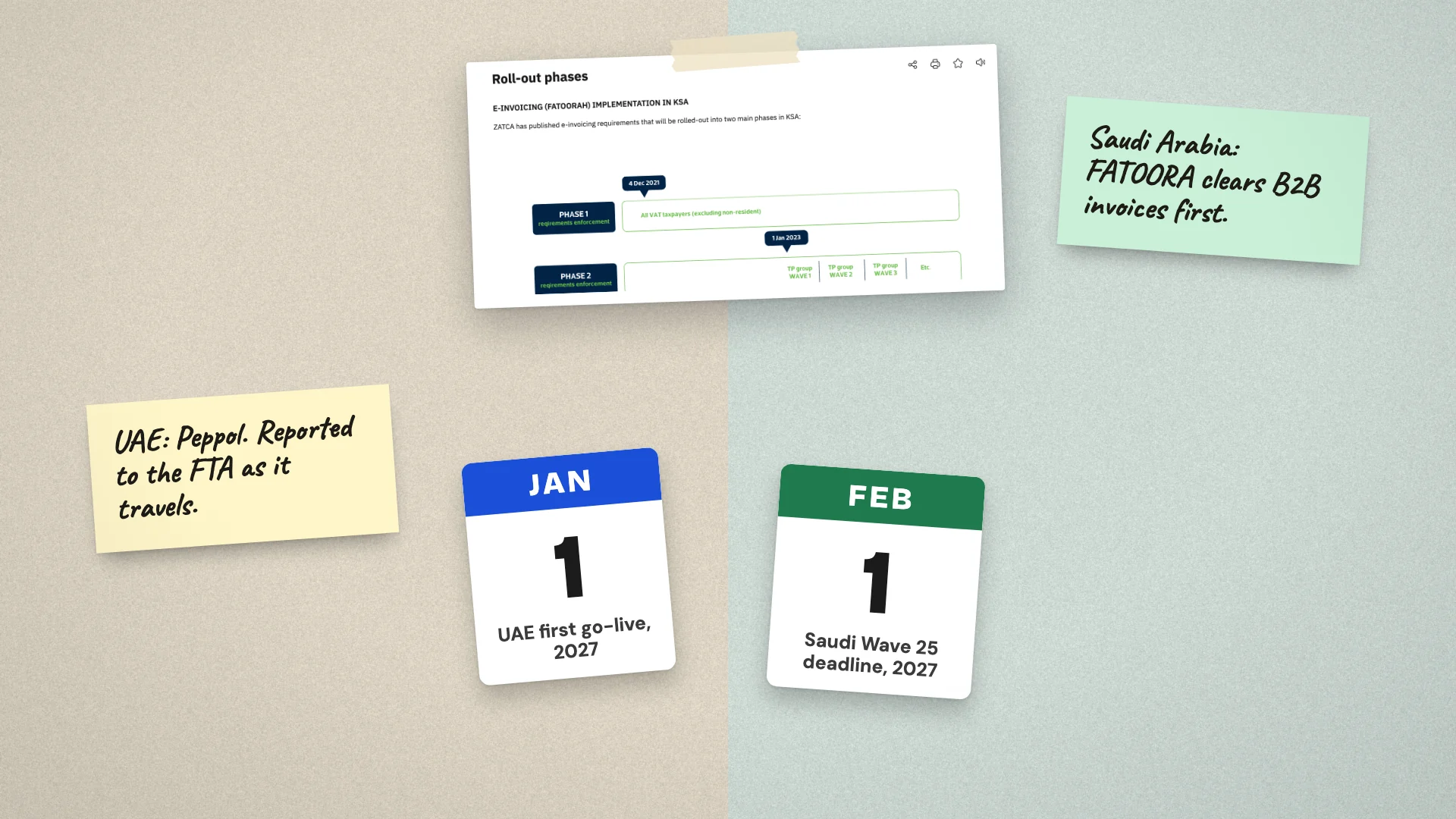
UAE vs Saudi e-invoicing: what agencies working in both need to know
Saudi Arabia clears invoices before the buyer sees them. The UAE reports them as they travel over Peppol. If your agency bills in both countries, here is what each system asks of you.
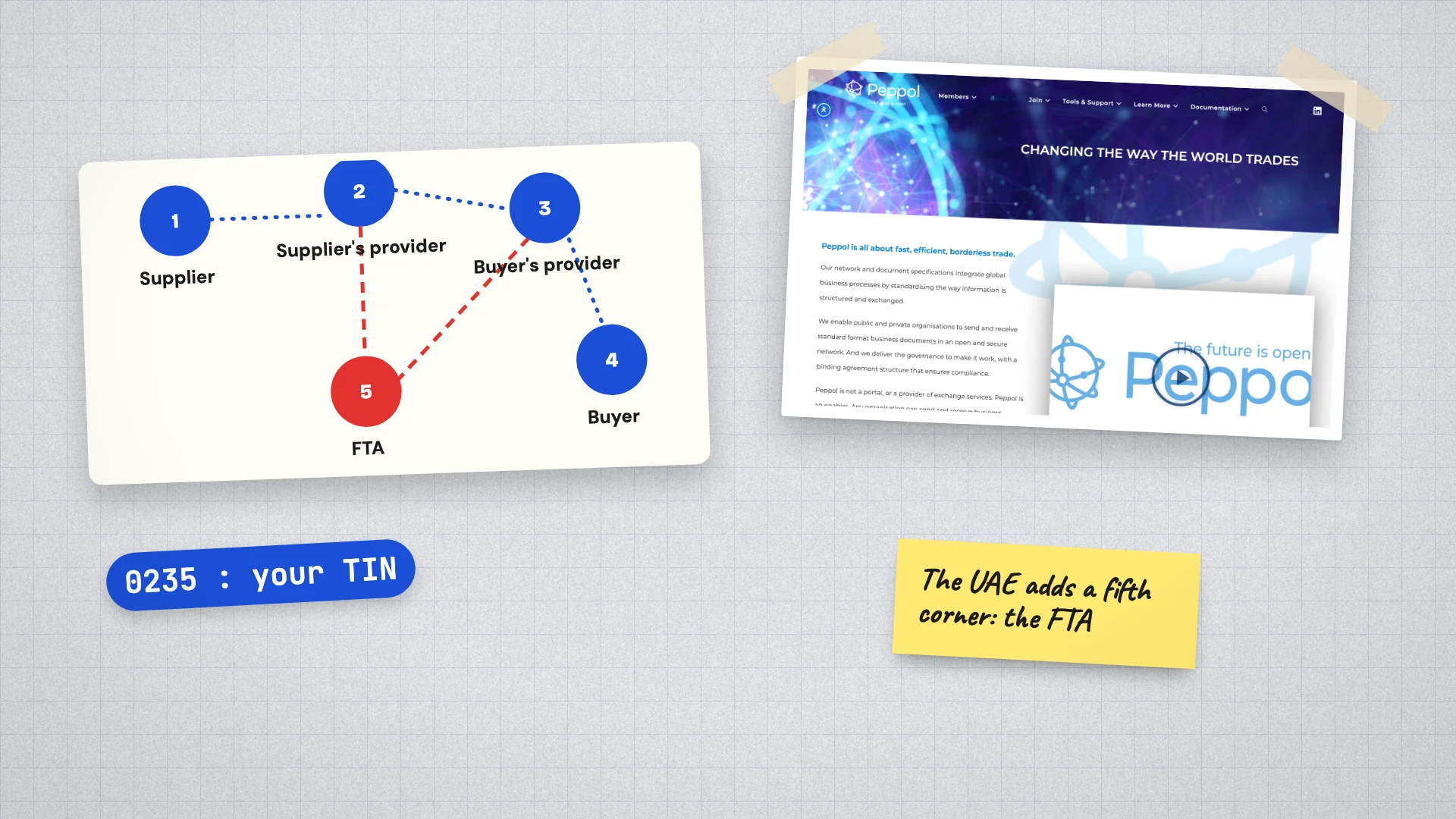
Peppol explained for agency owners
Peppol is the network UAE e-invoices will travel on, and it already carries invoices in Belgium, Singapore and Australia. Here is how it works in plain English, and why it matters if you have clients abroad.
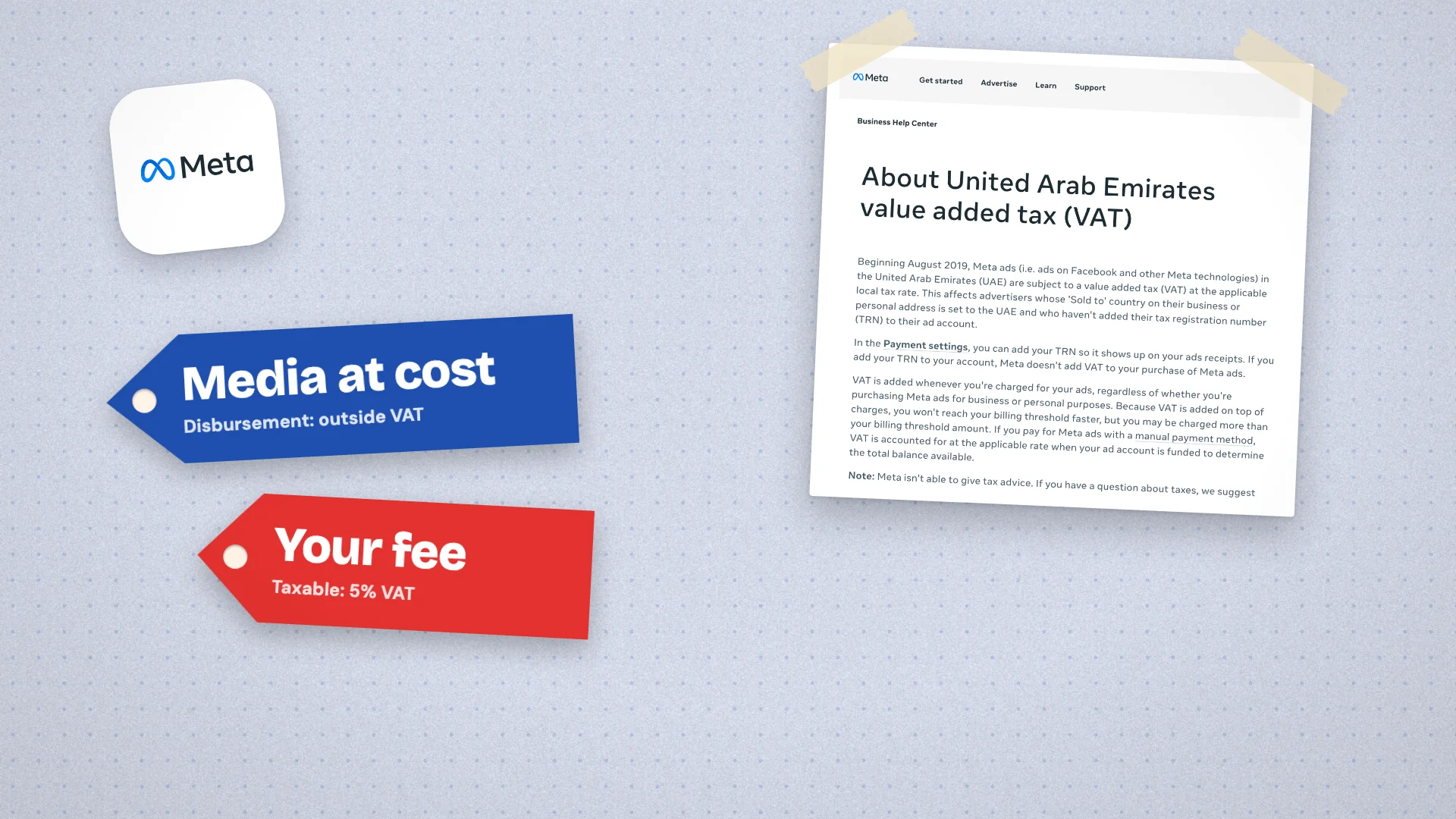
Media spend on your invoice: pass-through cost or taxable service?
When an agency rebills ad spend, the VAT depends on whose name the media was bought in. The FTA's guidance on disbursements decides it, and e-invoicing will make every line's treatment visible. Here is how to get it right.
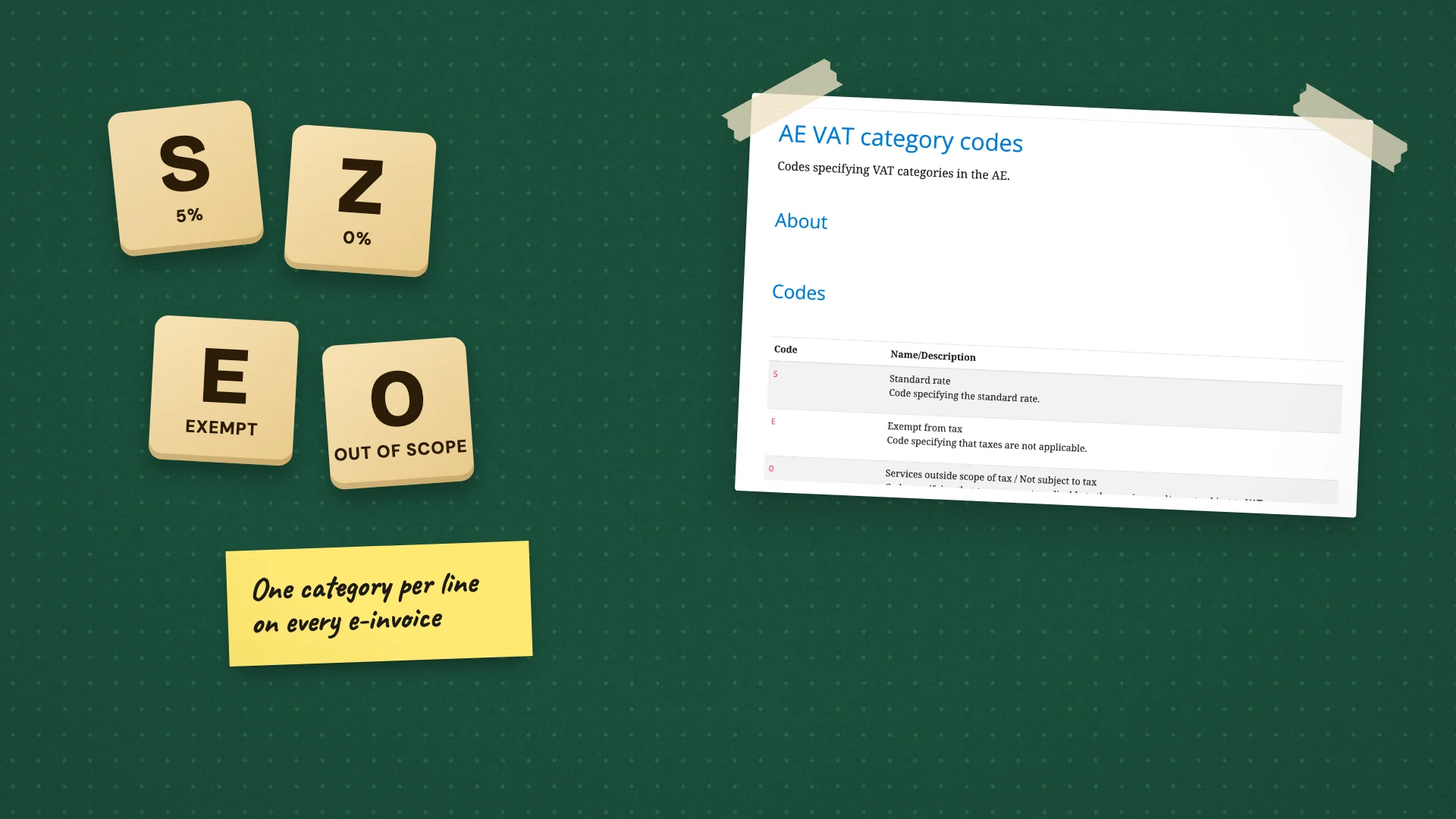
Zero-rated, exempt or outside the scope: VAT treatments for agency services
From 2027 every line on a UAE e-invoice carries a VAT category. For agencies the answer is almost always standard-rated or zero-rated, but the other two matter. Here is what each means and when it applies.

The UAE's under-15 social media ban: what it means for brands
Cabinet Resolution No. 106 of 2026 bars children under 15 from personal social media accounts, restricts 15 and 16 year olds, and bans profiling-based ads to children. Platforms have until mid-2027 to comply. Here is what brands and agencies should prepare for.

UAE e-invoicing: the 30 October deadline, and what agencies should do
Businesses with revenue of 50 million dirhams or more must appoint an accredited e-invoicing provider by 30 October 2026 and go live on 1 January 2027. Most agencies come later, but the timeline, the penalties and this year's other tax changes affect everyone.
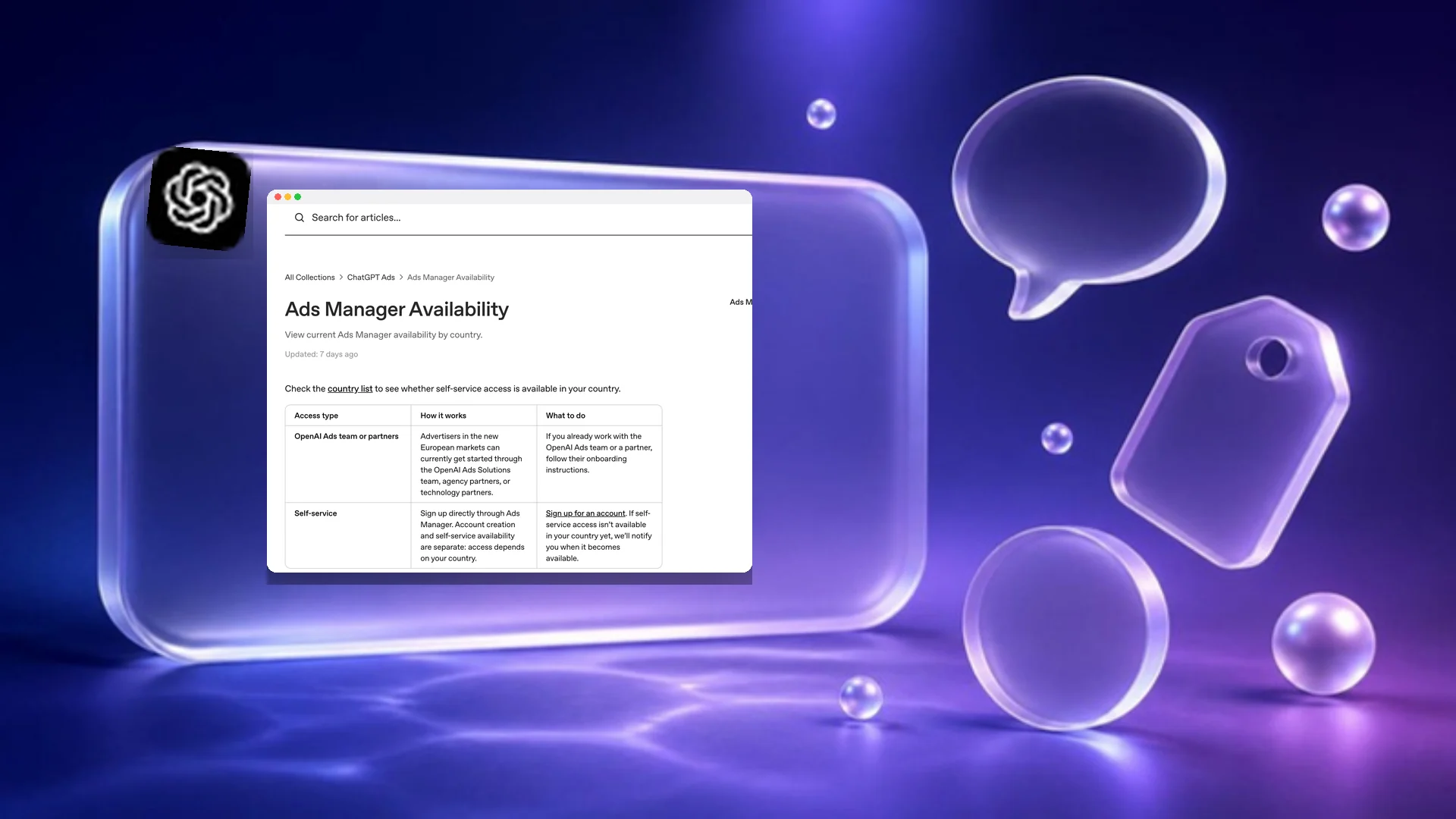
ChatGPT ads in the UAE: what advertisers can and cannot do yet
The UAE and Saudi Arabia appeared on OpenAI's list of countries where businesses can buy ChatGPT ads in mid-September 2026, without an announcement. Here is what has been reported about budgets, who sees the ads and the rules, and what to check first.

Eid Al Etihad 2026: what brands know so far, and the rules on symbols
The UAE's 55th National Day falls on Wednesday 2 December 2026. The holiday dates are set, the official theme and logo are not out yet, and the rules on the flag, the emblem and AI imagery are stricter than many brands assume.
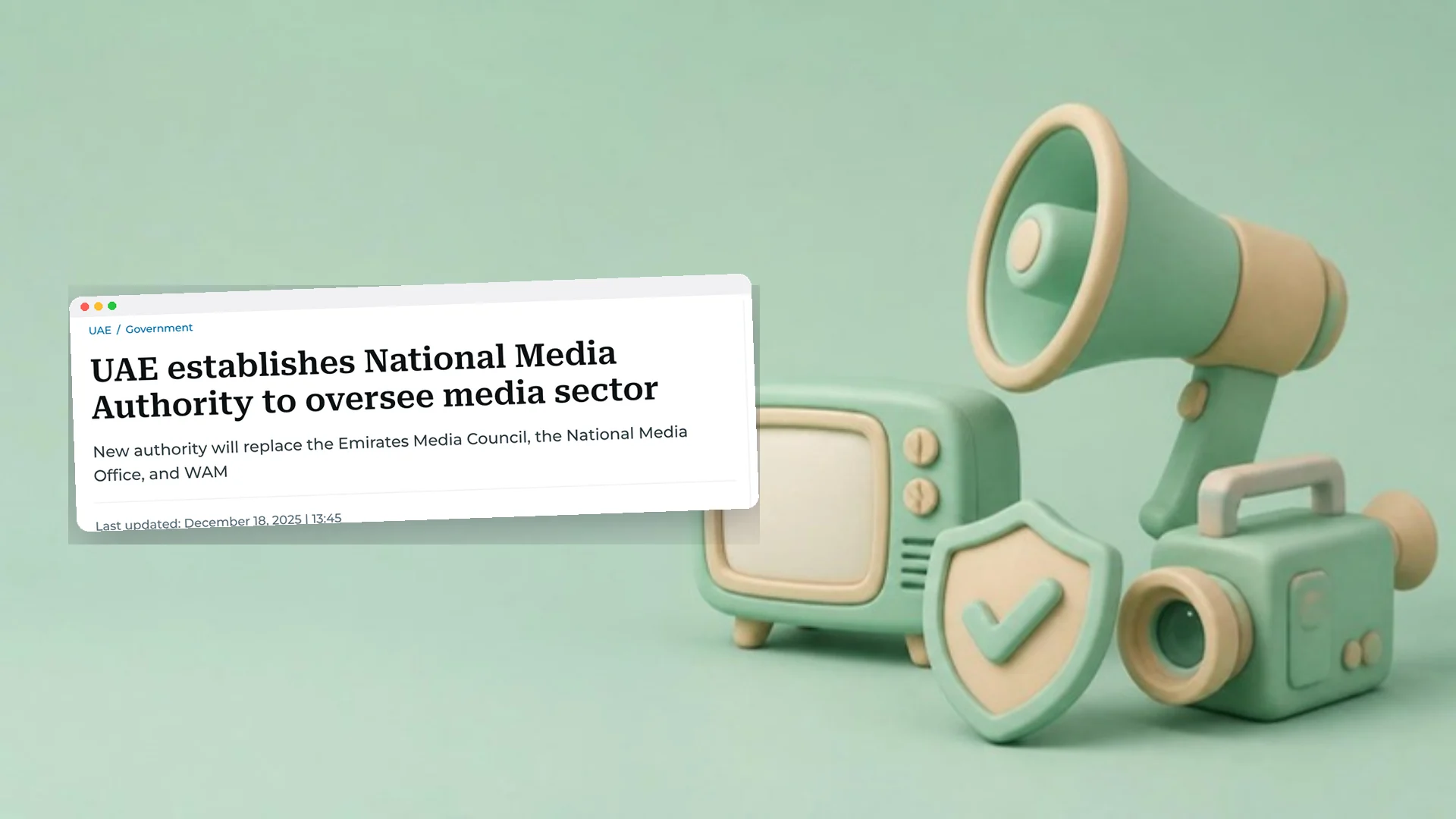
Who regulates UAE media now? The National Media Authority explained
The UAE Media Council no longer exists. Since December 2025 the National Media Authority has held its powers, and it enforces the media law, the Advertiser Permit and the new rule on AI images of public figures. Here is what agencies need to know.
YouTube widens Creator Partnerships in the UAE: what Ask Studio adds
YouTube's brand deal tools now cover the UAE and Saudi Arabia, and a coming Ask Studio feature will help creators answer brand briefs. Here is what is confirmed, what is not, and how agencies should use it.

UAE out-of-home in 2026: billion-dirham contracts and a new Dubai regulator
Dubai awarded about 1.5 billion dirhams of outdoor advertising contracts in the first half of 2026, Mada Media now runs the emirate's ad sites and permits, and transit operator Info Media Group has set out a ten-year expansion led from Dubai. Here is what is changing on the UAE's roads and screens.
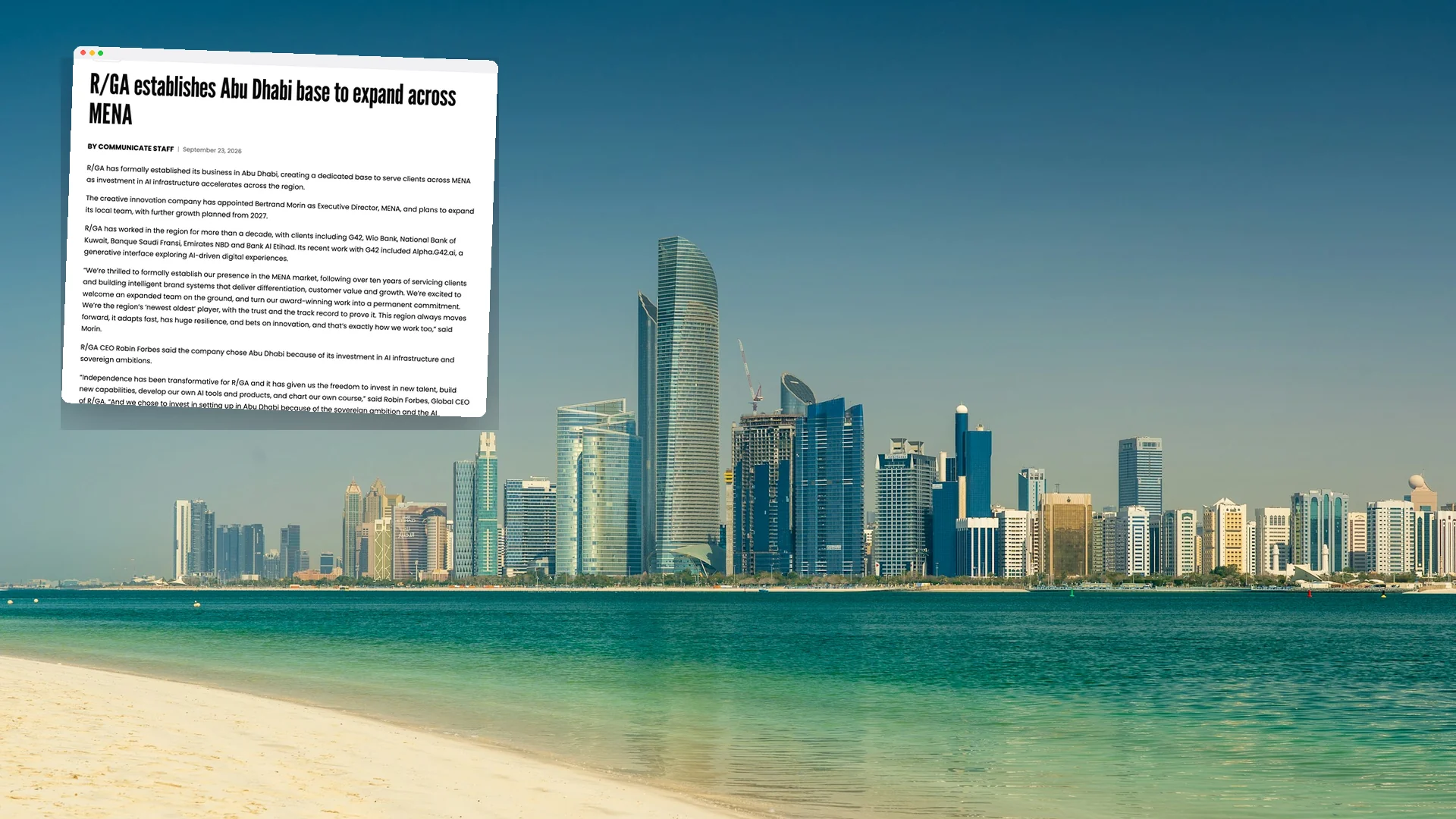
R/GA sets up in Abu Dhabi: why agencies are moving to the capital
R/GA has formally established itself in Abu Dhabi to serve the region's AI infrastructure boom, joining a line of agencies that opened in the capital over the past two years. Here is what was announced and what it says about where the work is.

GITEX moves to December and Expo City: what it means for Dubai's busiest month
GITEX Global 2026 runs from 7 to 11 December at Dubai Exhibition Centre in Expo City, not at the World Trade Centre in October. With National Day, the Abu Dhabi Grand Prix and Abu Dhabi Finance Week in the same fortnight, December 2026 needs planning now.
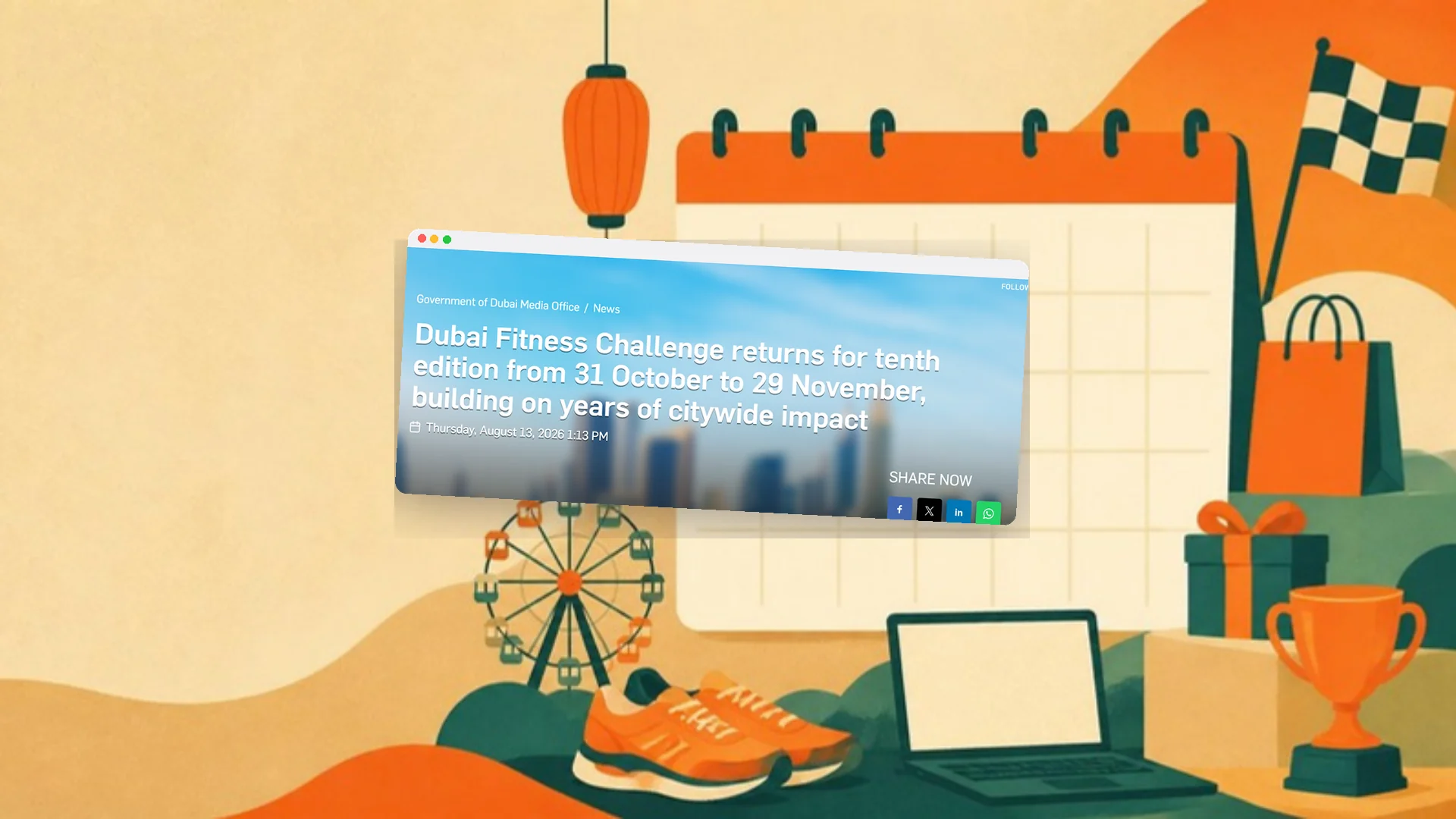
The UAE calendar for brands, October 2026 to March 2027
From Dubai Lynx and the opening of Global Village to National Day, GITEX, the 1 Billion Followers Summit and Ramadan: every date that matters for marketing in the UAE over the next six months, with what is confirmed and what is not.
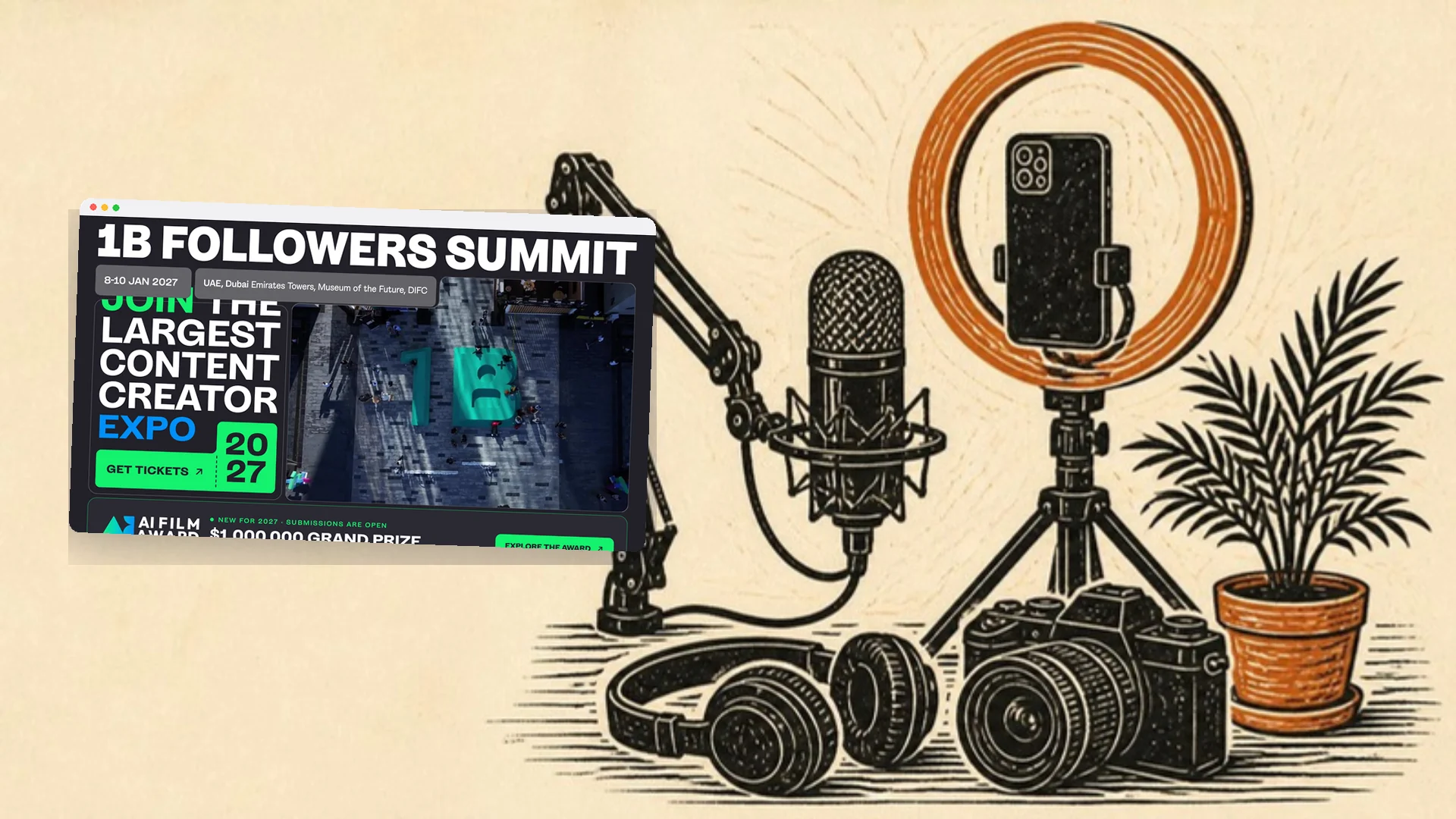
The UAE creator economy in numbers: 15,000 licensed creators and counting
Dubai's Creators HQ now has 5,000 members from 130 countries, the government says 15,000 licensed content creators work in the UAE, and the 1 Billion Followers Summit returns in January. Here is the state of the market and what it means for agencies.
YouTube Shorts now favours originals: what re-upload channels lose
On 1 October 2026 YouTube said it is changing Shorts recommendations to push original content and cut the reach of clips re-uploaded from other creators. Here is what counts as original, what does not, and what to change in a client's Shorts plan.
Instagram now lets you boost a livestream from the live screen
Instagram has added a Boost option to the live composer, so a creator or brand can turn a broadcast into an ad without opening Ads Manager. Here is how it works, what is still unclear, and how to use it for a client launch.
Muse for Small Business: Meta's AI agent learns to run a shop
On 29 September 2026 Meta added business skills and connectors to Muse, its AI agent, linking it to tools such as Shopify, QuickBooks, Canva and Slack as well as Facebook, Instagram and Meta ad accounts. It is US and Canada only for now. Here is what it does and why agencies should watch it.
Threads at 500 million users: visual quote posts and ads for everyone
Threads passed 500 million monthly users in June 2026, opened ads to all users worldwide in January, and on 1 October began testing a way to put a post on top of a photo or video. Here is where the app stands for brands in the Gulf.
How ChatGPT and Google's AI pick the products they recommend
Most UAE shoppers now use AI somewhere on the way to a purchase, and ChatGPT ads reached the UAE and Saudi Arabia in September. Here is what OpenAI, Google and Perplexity actually say about how products get chosen, and what a brand can do about it.
Adland's autumn of cuts: what independent agencies should take from it
US advertising jobs fell by 6,900 in a year, WPP is cutting up to 1,000 more roles, Omnicom is reshaping after buying IPG and The Trade Desk cut 15 percent of its staff. Here is what happened, what is driving it, and what it means for agencies in the Gulf.
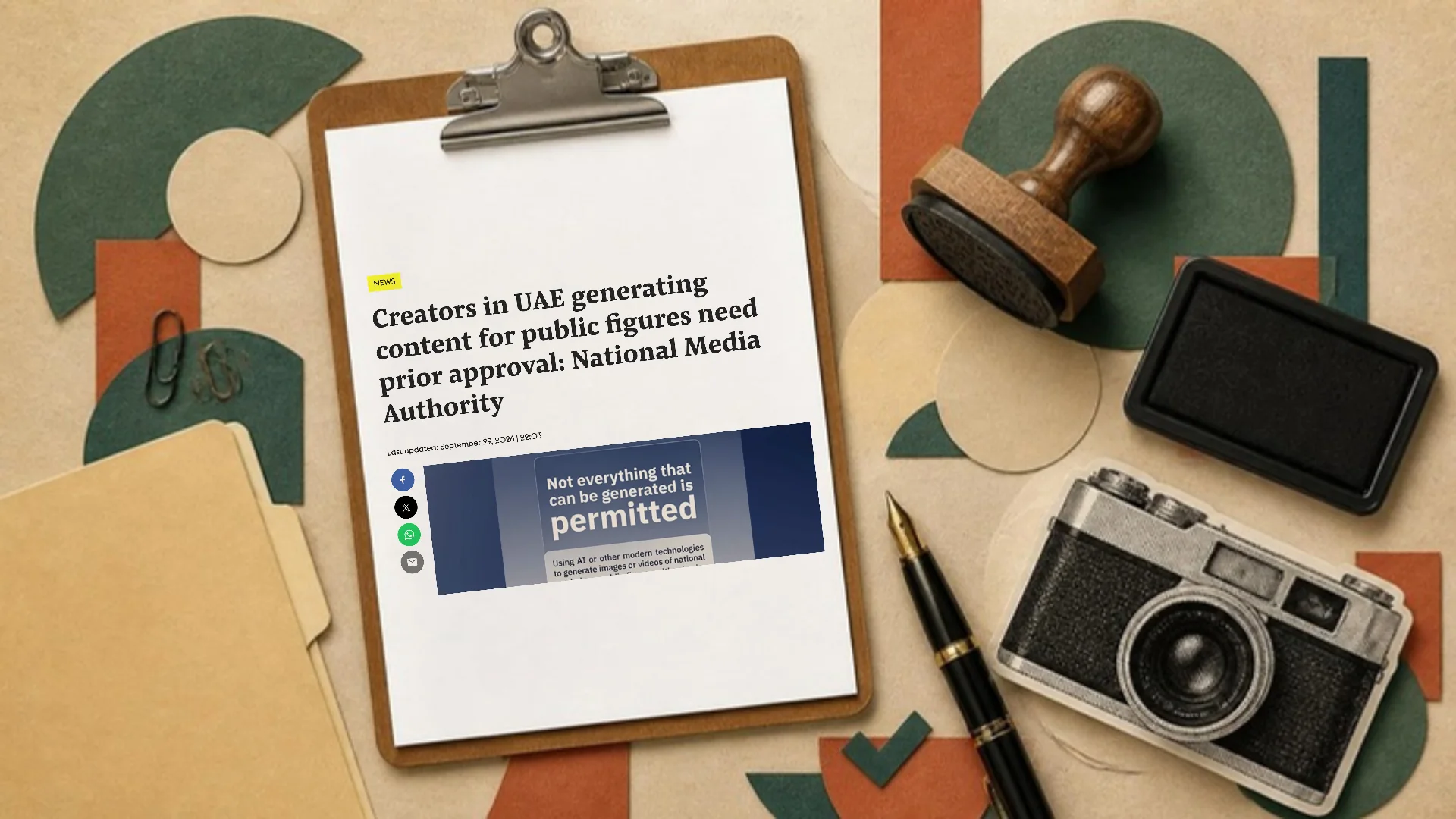
UAE creators need approval for AI images of public figures
On 29 September 2026 the UAE's National Media Authority said that using AI to generate images or videos of national symbols or public figures needs prior official approval. Here is what was said, who regulates creators now, and how the Advertiser Permit fits in.
Ramadan 2027 planning starts now, and Dubai Media says so too
Ramadan 2027 is expected to begin on 8 February, and broadcasters are already selling it. Dubai Media told advertisers this week to commit early so brand partnerships are built into shows while they are made. Here is what was pitched and a planning calendar for agencies.
The week in social and agencies: 26 September to 3 October 2026
YouTube put original Shorts first, Instagram added a live boost, Meta took its Muse agent to small businesses, TikTok published an 81 billion dollar claim and the UAE set a rule on AI images of public figures. Everything that mattered this week, in one place.
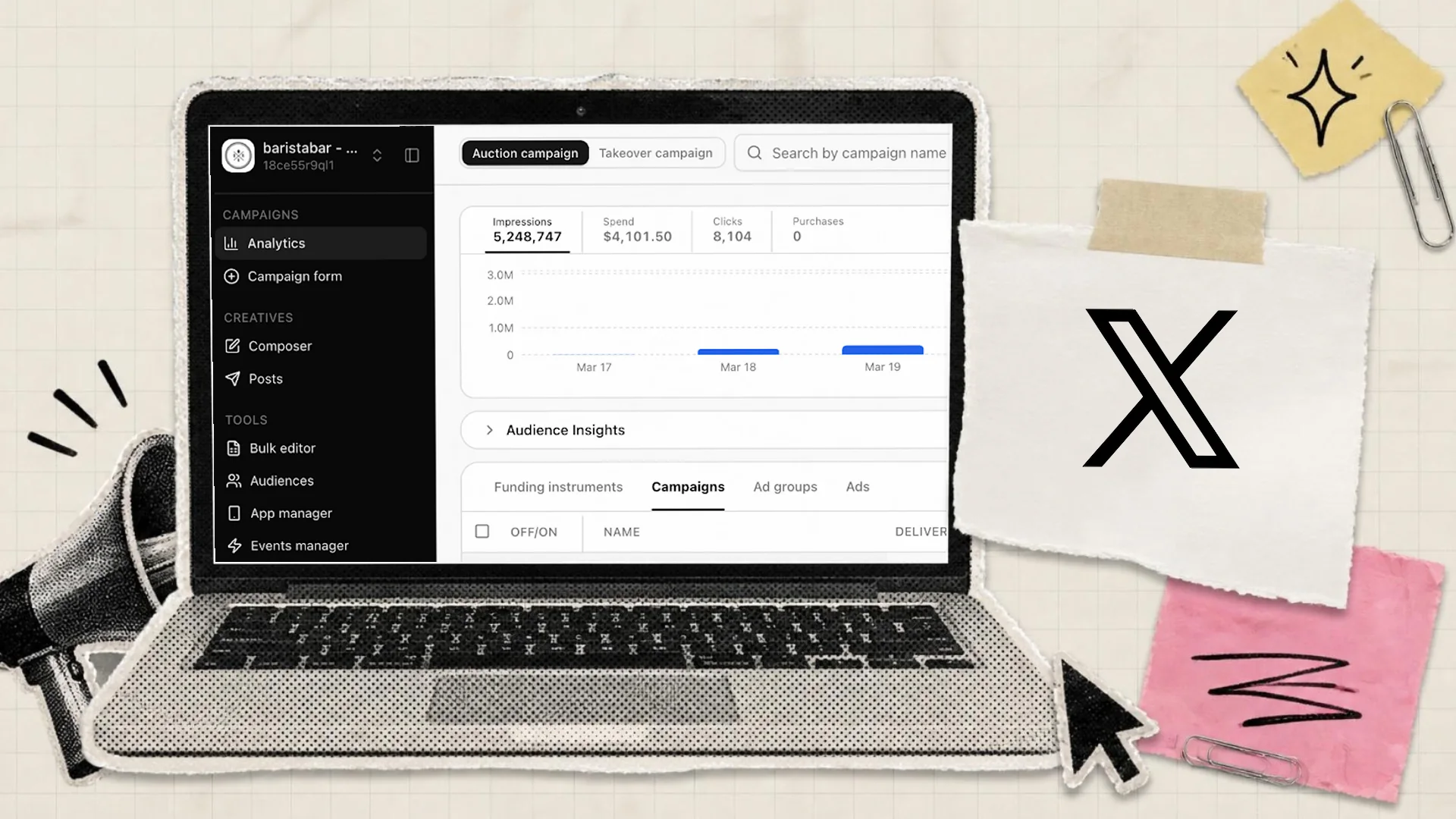
X's rebuilt Ads Manager in 2026: Grok, new formats and the numbers
In April 2026 X rebuilt its ad platform on xAI's technology, then added Grok to Ads Manager, new ad shapes, lead forms and better conversion tracking. Here is what changed, what X claims about brand safety, and what its own filings say about the ad business.
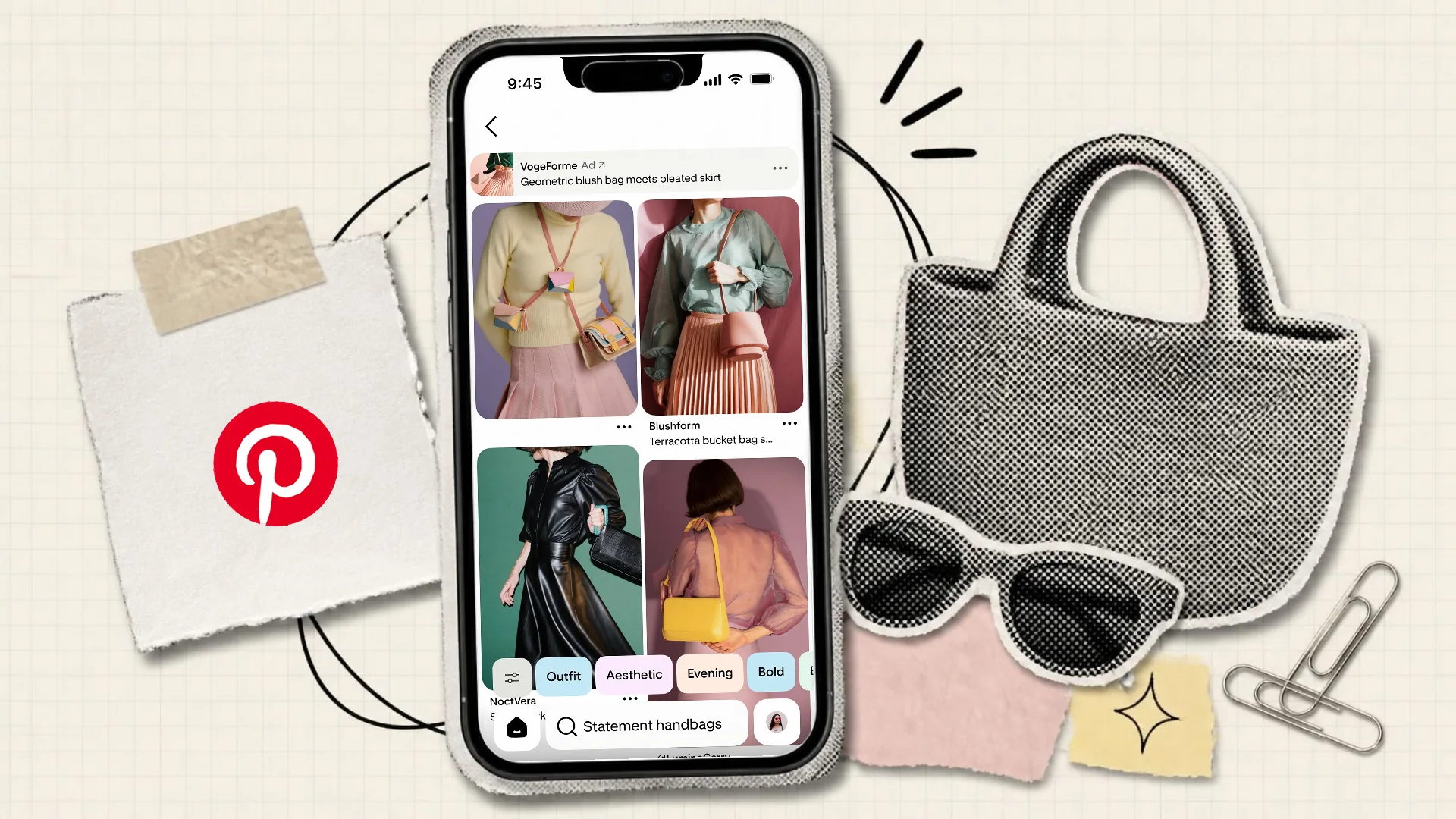
Pinterest ads in the UAE and Saudi Arabia: how to buy them in 2026
Pinterest opened for advertising in the UAE and Saudi Arabia in 2024, made its first hire in the region in 2026, and ran its first Middle East airline campaign with Saudia in July. Advertisers there still cannot open accounts themselves. Here is how buying works, what has run, and the local ad rules.
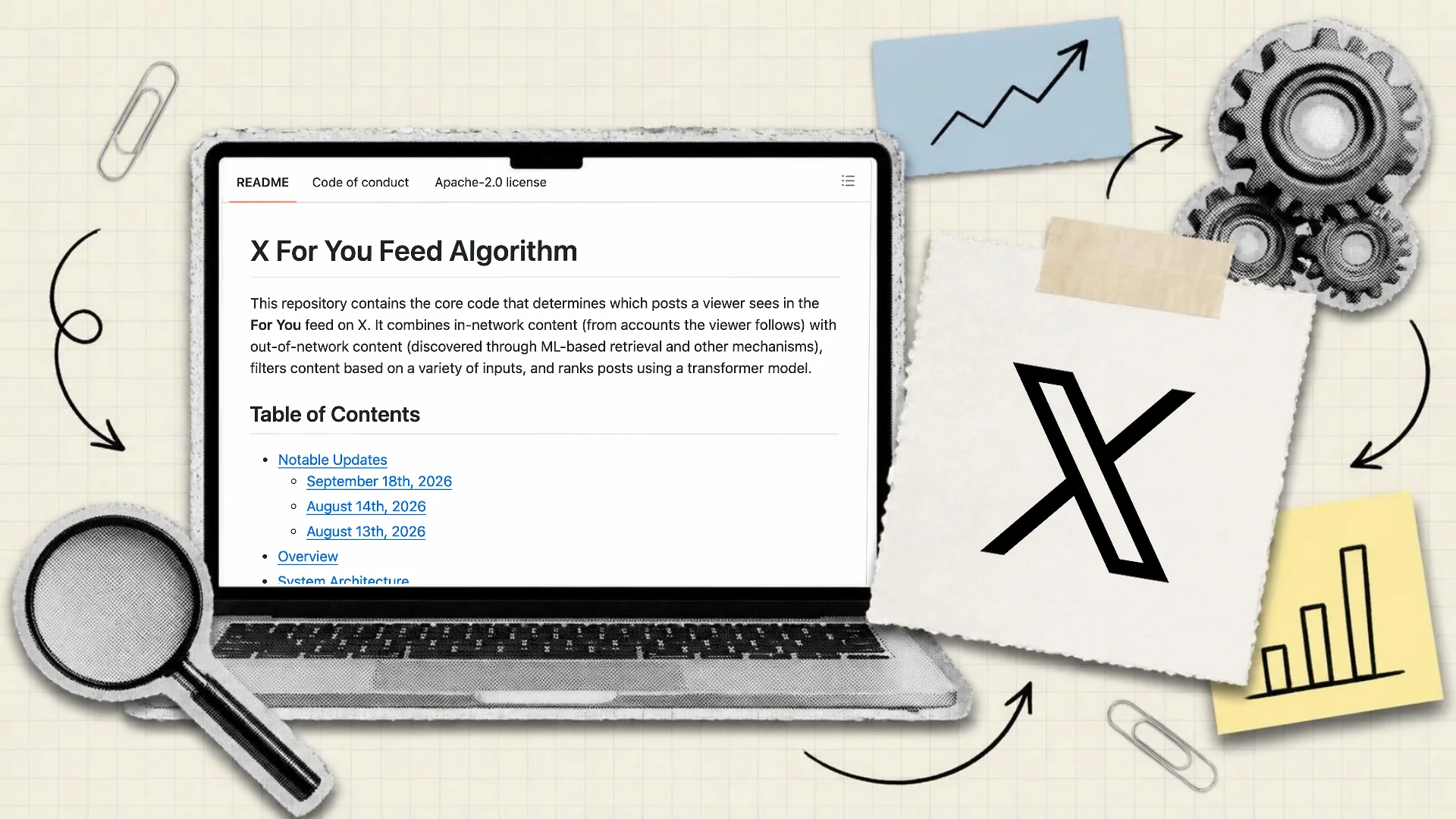
How X ranks posts in 2026: Grok, the open-sourced algorithm and links
X now ranks its feeds with a Grok-based model, published its ranking code twice in 2026, and says it no longer penalises links, though independent data disagrees. Here is what the code shows, what X has said, and what to do with brand and founder accounts.
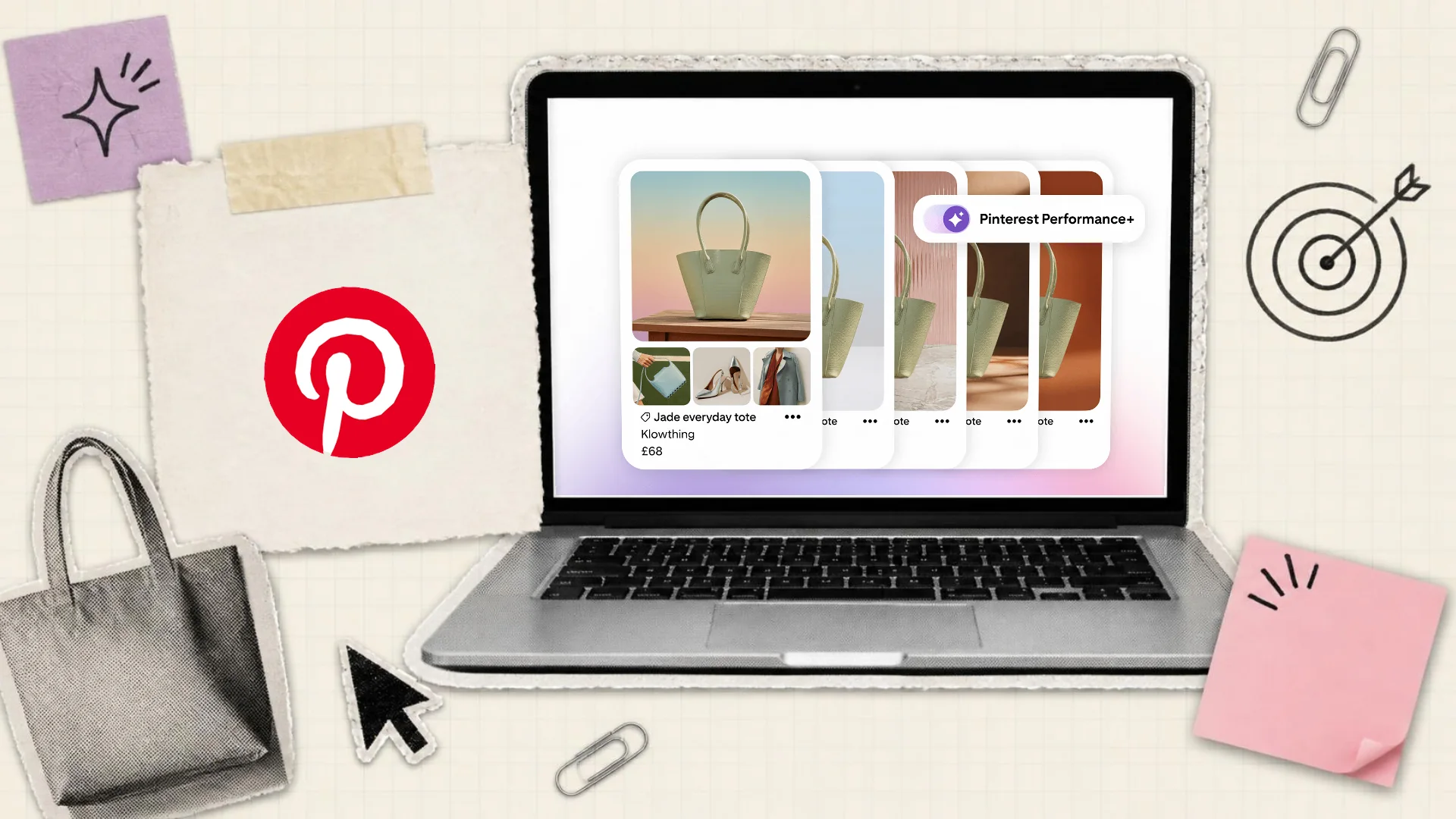
Pinterest Performance+ in 2026: automated campaigns and the new AI tools
About 30 percent of Pinterest's lower-funnel revenue now runs through Performance+, its automated campaigns, and in 2026 Pinterest added new customer goals, AI creative selection, an assistant and an optimisation score. Here is what it automates, what Pinterest recommends, and what to watch.
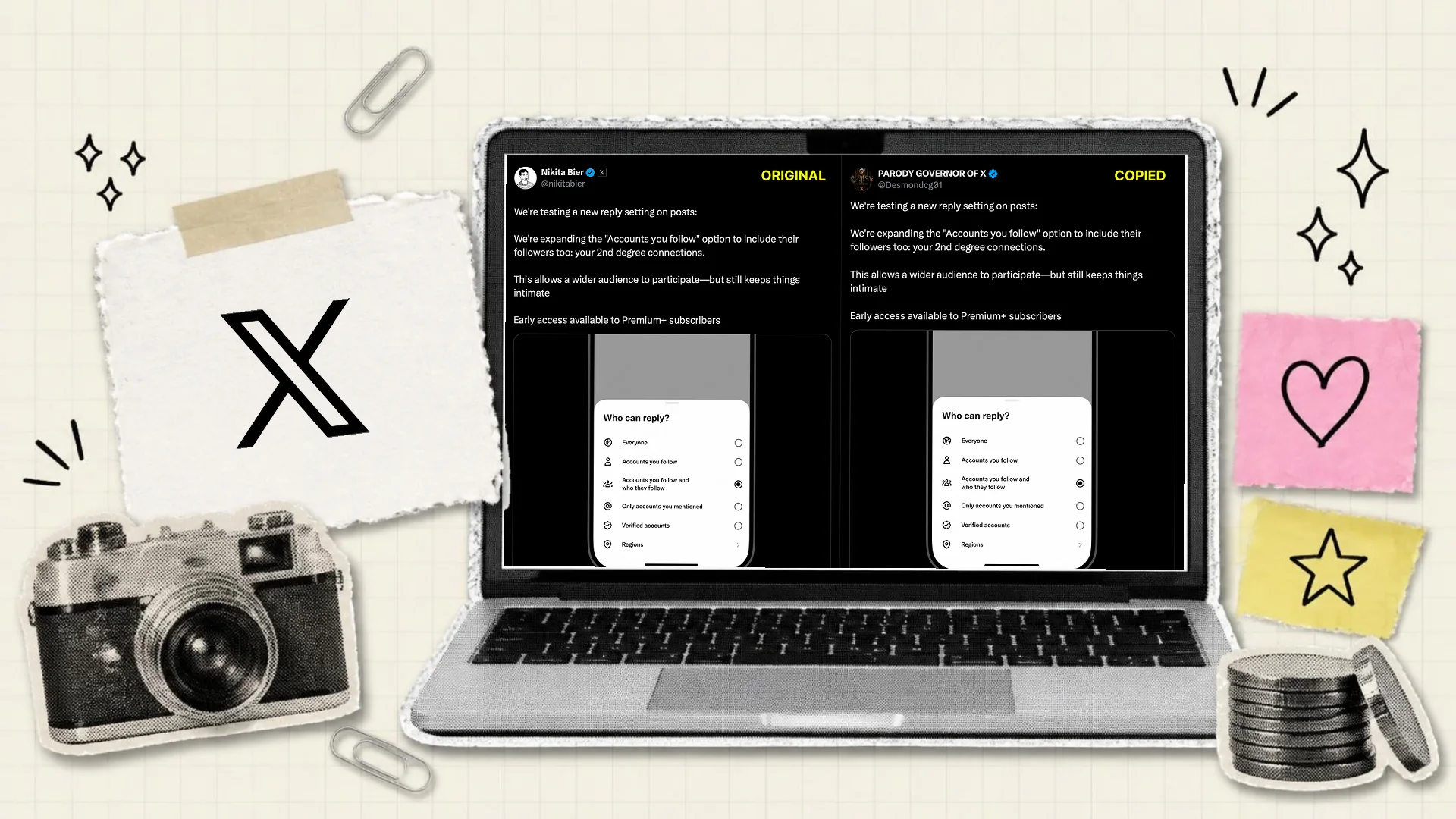
Earning on X in 2026: Original Content Rewards and paid partnerships
In September 2026 X replaced its creator revenue sharing with Original Content Rewards, after a year of cracking down on engagement bait and copied posts, and it added a paid partnership label. Here is how creators earn now, what brands must disclose, and the Gulf rules on top.
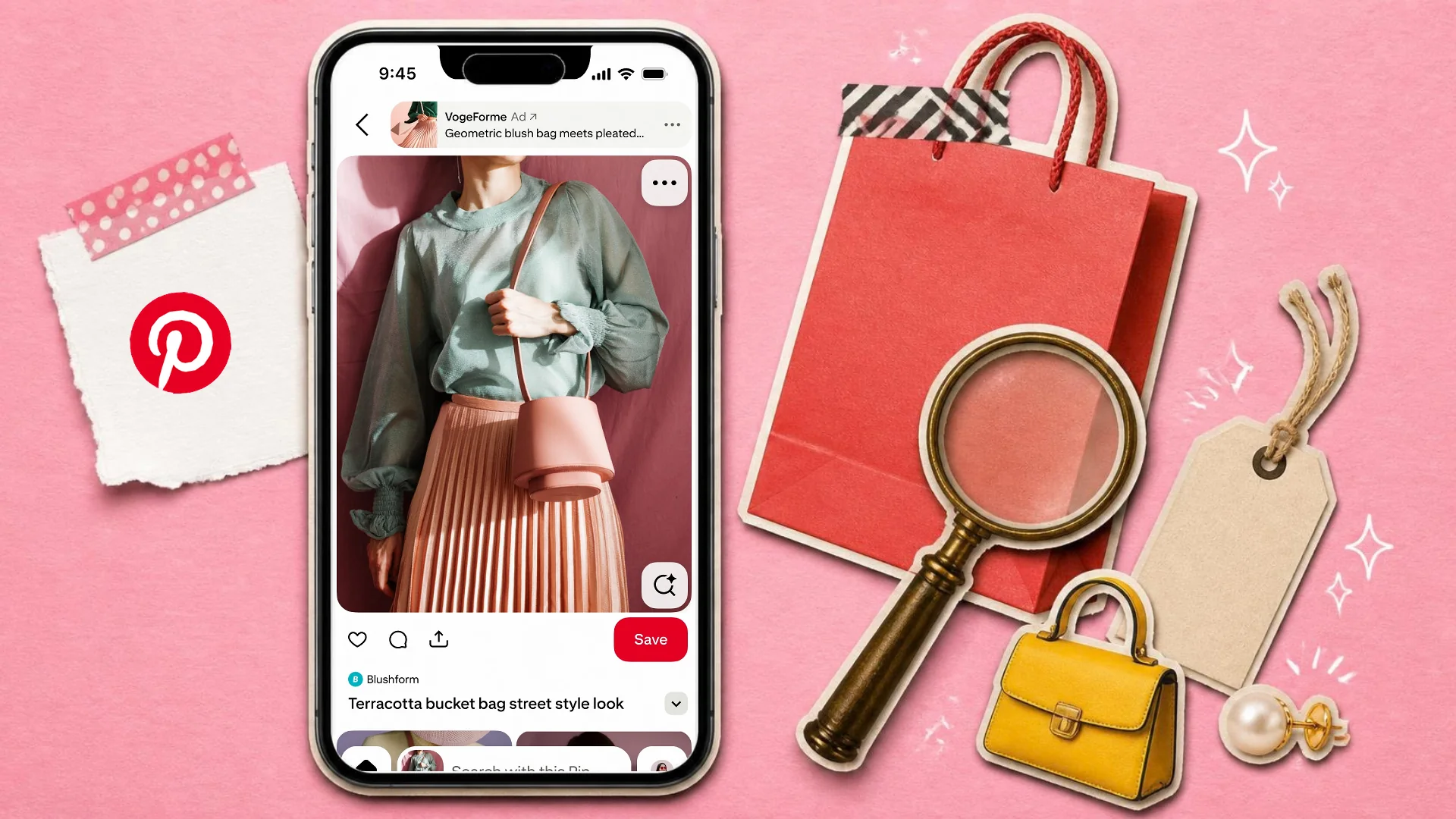
Pinterest search in 2026: Visual Search Ads, Top of Search and shopping
Pinterest handles 80 billion searches a month, most of them visual and more than half commercial. In 2025 and 2026 it built ad formats around that: ads in the top search results, visual search ads, and international shopping campaigns. Here is what each does, the specs, and how to use them.
X, Grok and SpaceX in 2026: what the AI turn means for brands
X is now part of SpaceX, runs on Grok, and spent early 2026 dealing with a scandal over Grok's image generation. Here is how the company is structured, what regulators are doing, where Grok stands in the Gulf, and the brand safety questions clients will ask.
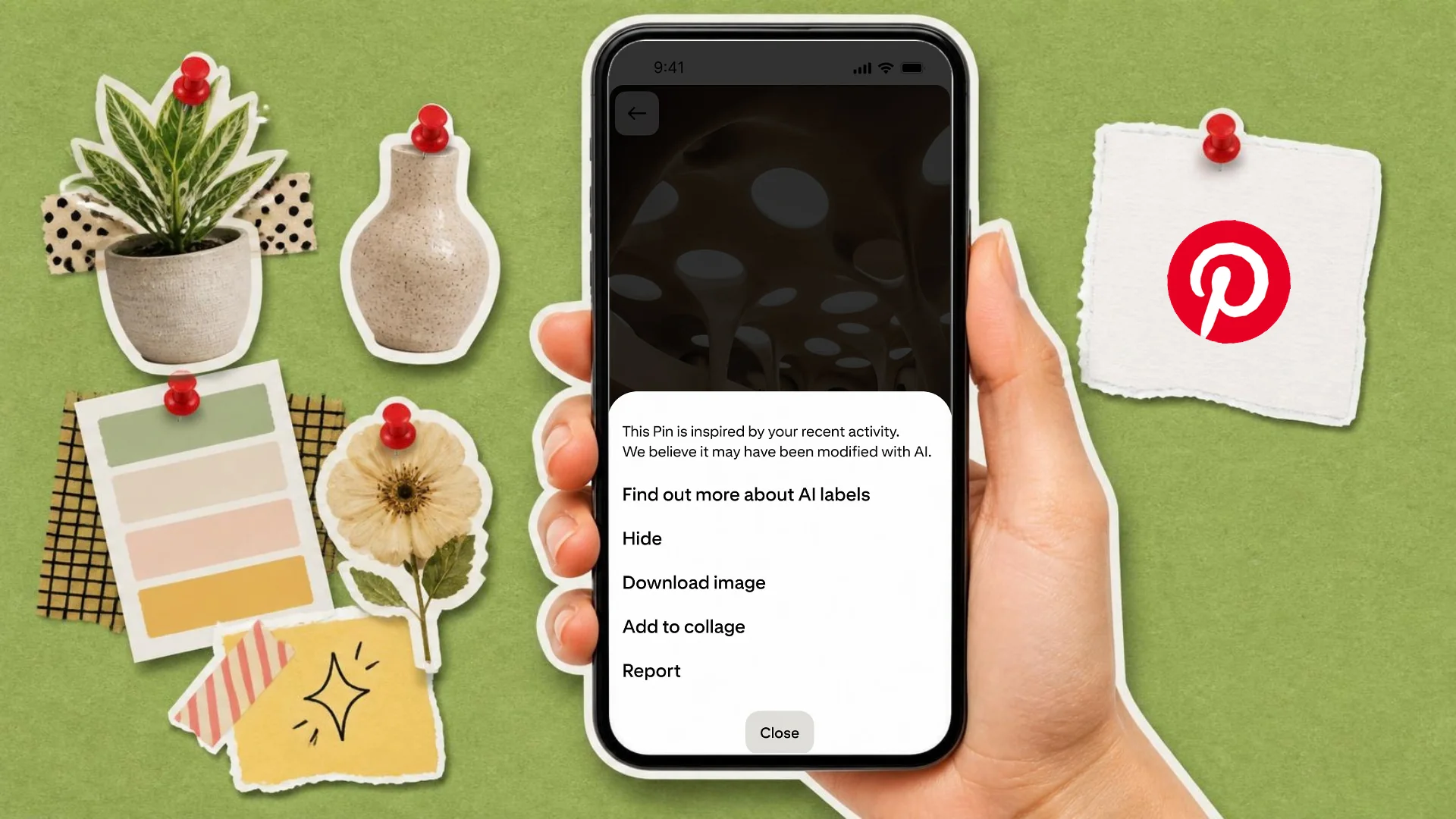
Pinterest for brands in 2026: organic reach, AI labels, trends and creators
Pinterest now has 640 million monthly users, more than half of them Gen Z, and it labels AI-generated images and lets people see fewer of them. Here is how organic content works, what Pinterest Predicts says for 2026, how creator partnerships work, and the ad rules changing in November.
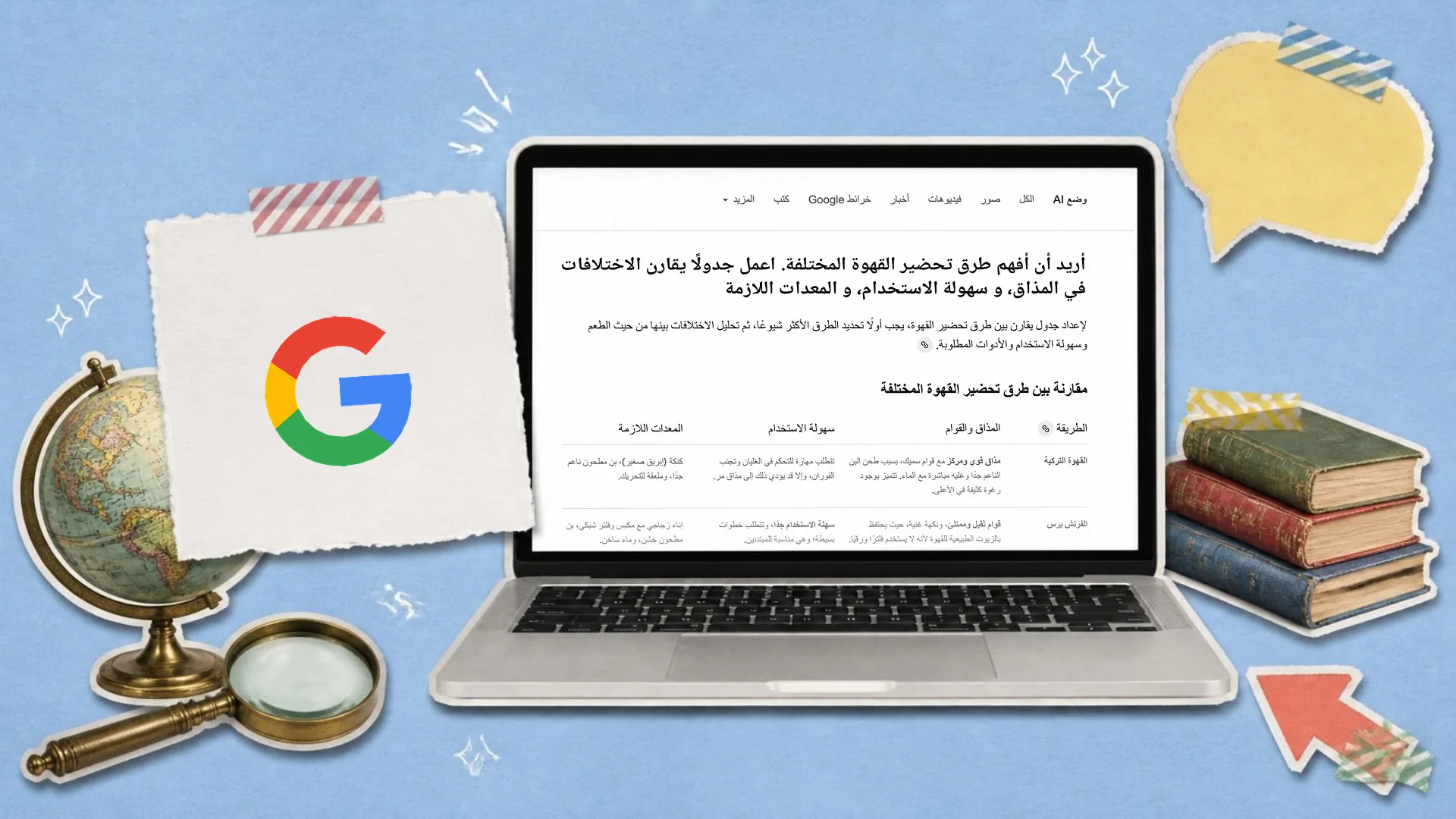
Google AI Mode in 2026: where it works, and what it does to traffic
AI Mode has worked in Arabic since October 2025, has more than a billion monthly users, and has merged with AI Overviews into one search experience. Here is what changed in 2026, what the traffic studies show, and the new controls every site owner in the Gulf can use.
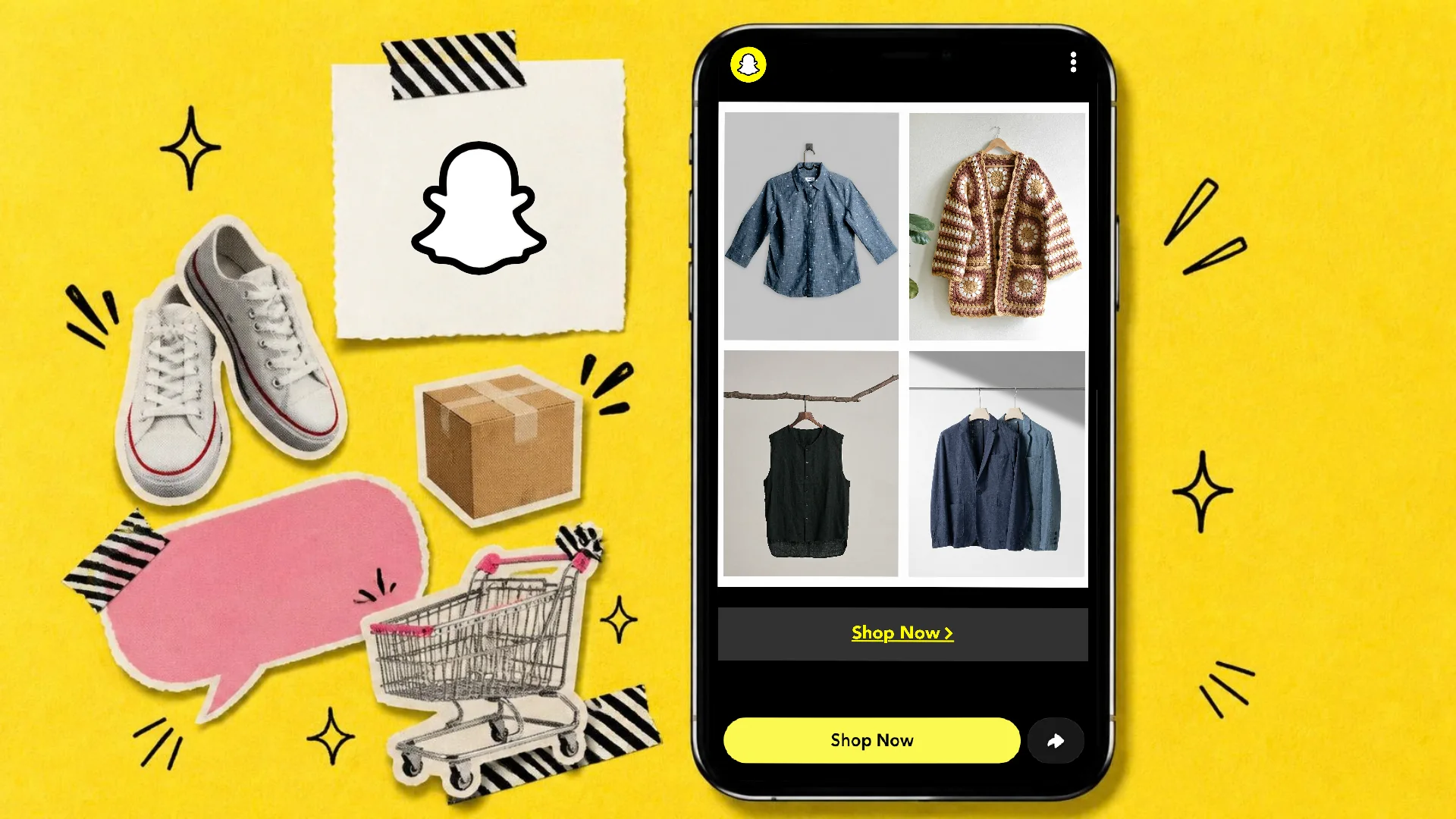
Snapchat's Commerce Power Pack: product ads in Chat and smarter optimisation
In September 2026 Snap put catalogue product ads inside Chat and opened new ways to optimise for purchases. With AI agents in Chat, an assistant in Ads Manager and better app attribution, it was Snap's busiest year for performance advertisers. Here is what launched, what is still in testing, and what it means for Gulf e-commerce.
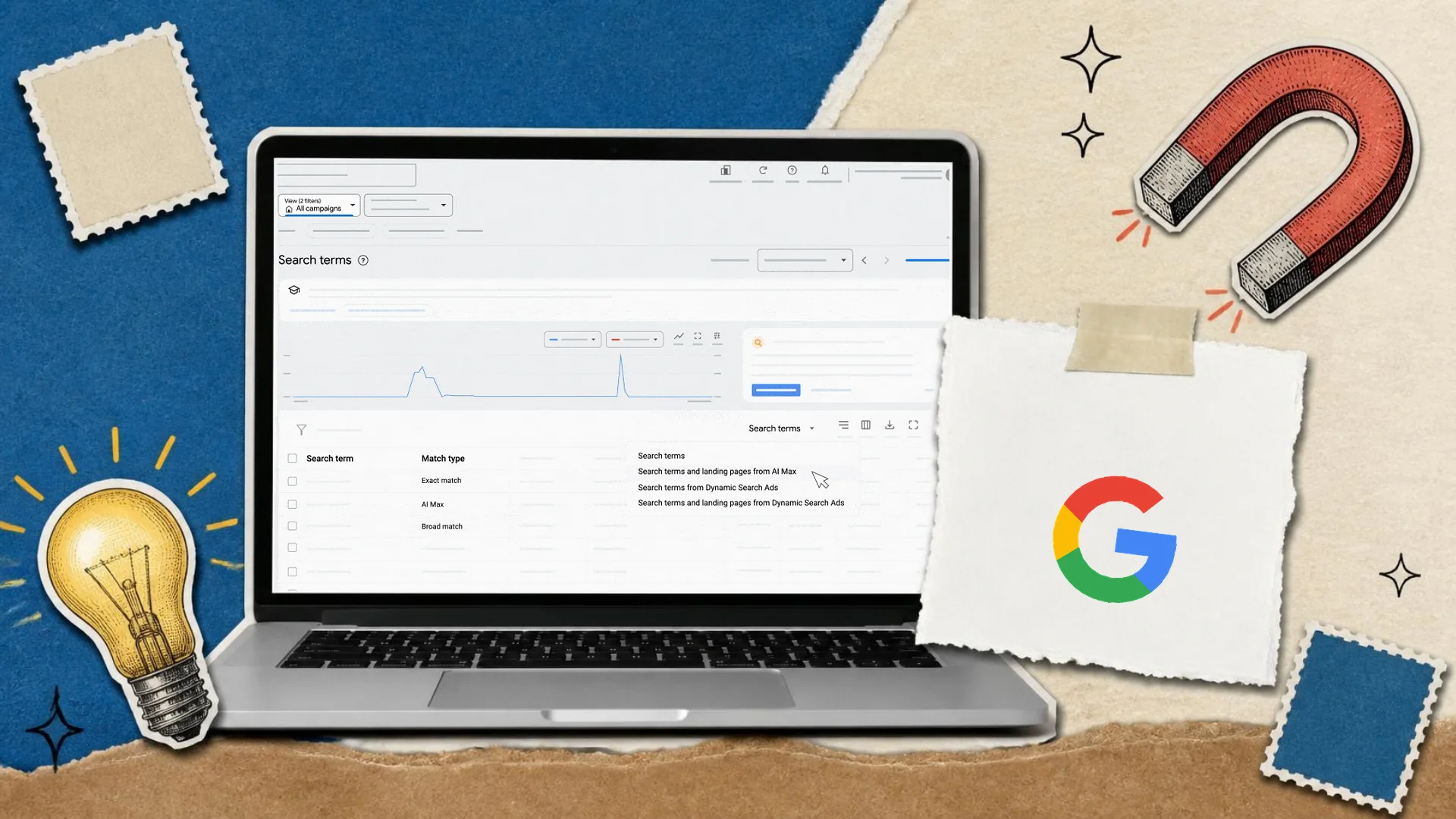
Google AI Max in 2026: the September upgrade and what to check now
Through September 2026 Google is moving Search campaigns that use campaign-level broad match or automatically created assets to AI Max, and Dynamic Search Ads follow in February 2027. Here is what AI Max does, what the upgrade changes, the controls to set, and what independent tests found.
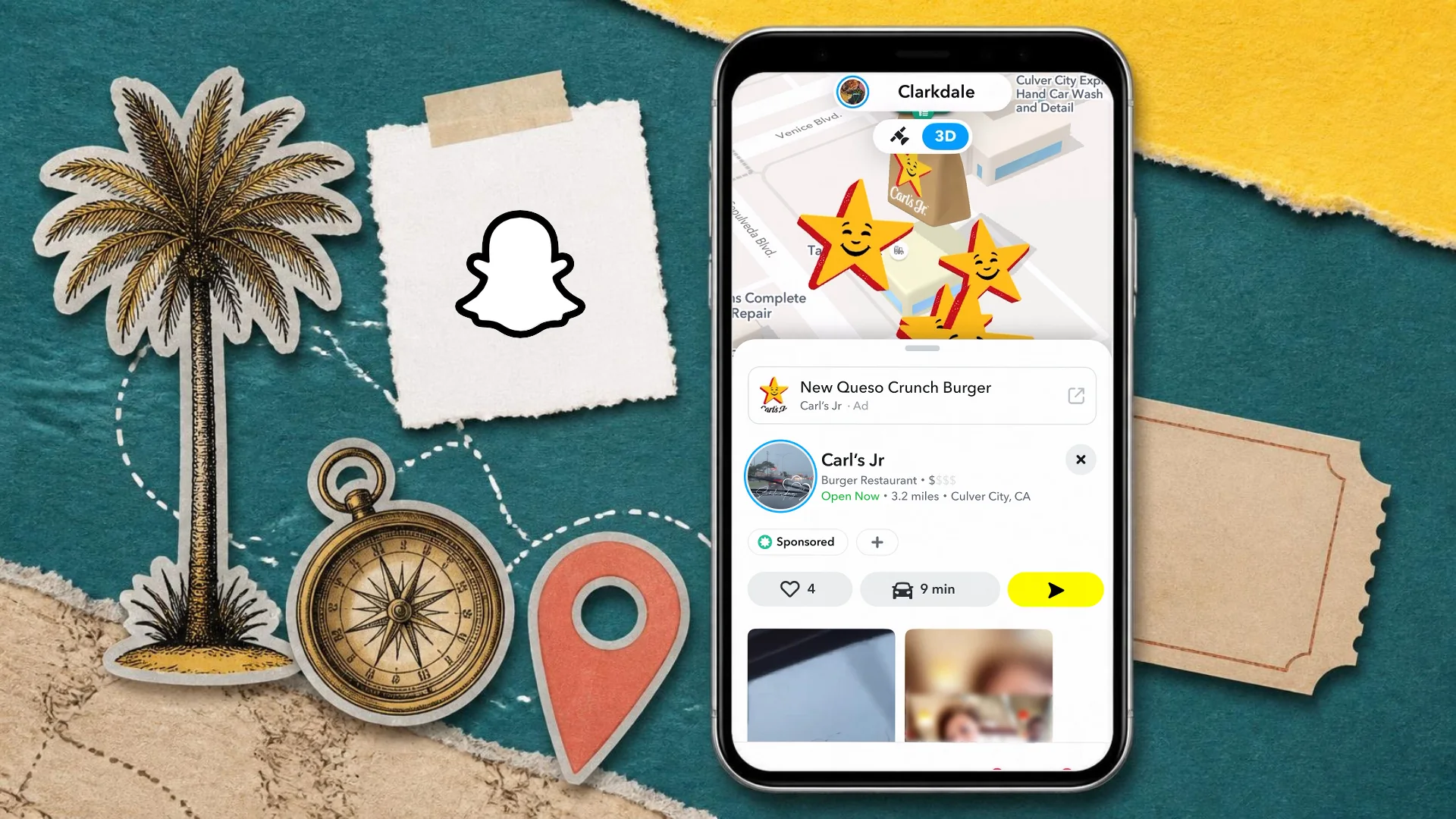
Snapchat's big formats in 2026: Map ads in Saudi Arabia and Total Snap Takeover
Snap brought Promoted Places, its ads on the Snap Map, to the Middle East in May 2026, starting in Saudi Arabia, and launched a takeover of every tab in the app. Here is how they work, how they are bought, what Saudi brands did with them in Ramadan, and which formats are older than they look.
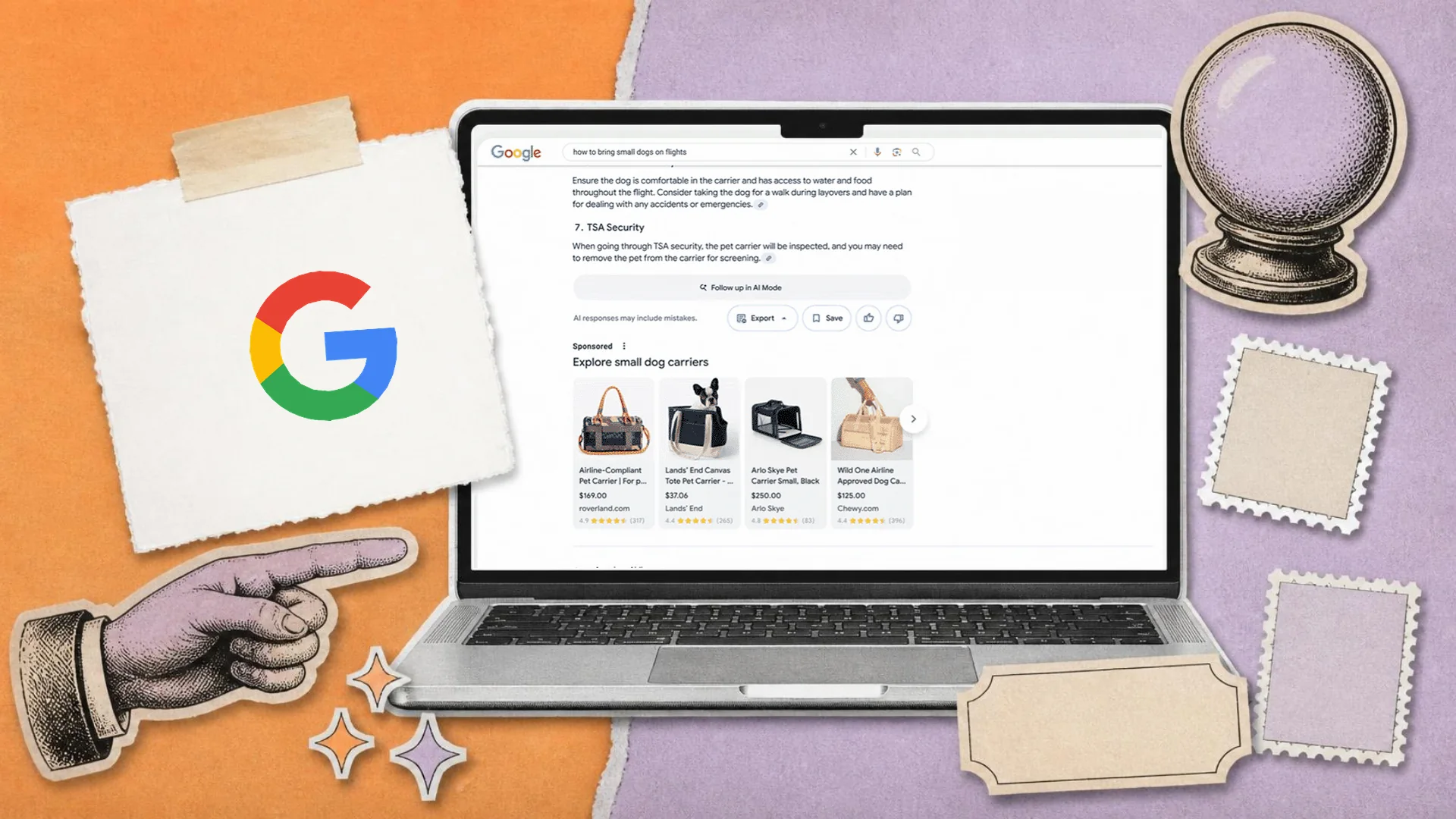
Ads in Google's AI Overviews and AI Mode: what runs in the Gulf
Google now shows ads inside AI Overviews in 12 countries and is testing new ad formats in AI Mode. None of that has reached the UAE, Saudi Arabia or Arabic yet. Here is where ads appear in AI search, which campaigns are eligible, and how to prepare.
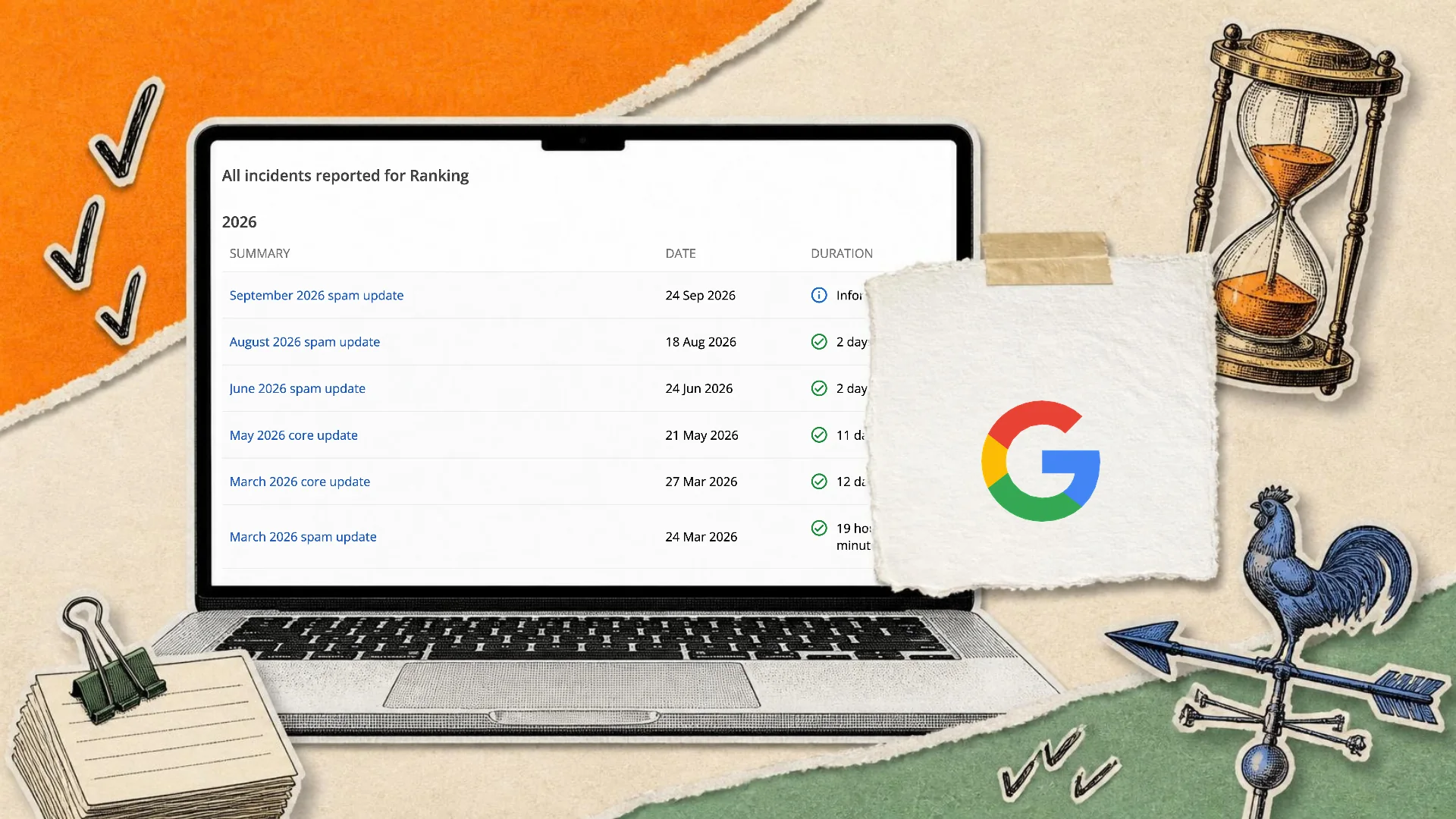
Google search updates in 2026: every core and spam update, and the new rules
Google confirmed two core updates, three spam updates and a Discover-only core update in 2026, dropped FAQ rich results, and added spam rules on back-button hijacking and manipulating AI answers. Here is the full list, what Google said, and the myths to ignore.

Snap Specs in 2026: the AR glasses, and what brands can do with Lenses now
Snap opened orders for Specs, its augmented reality glasses, in September 2026 at 2,195 dollars, for the US, the UK and France only. Here is what they are, why Gulf brands should not wait for them, and how Snapchat Lenses are already used billions of times a day.
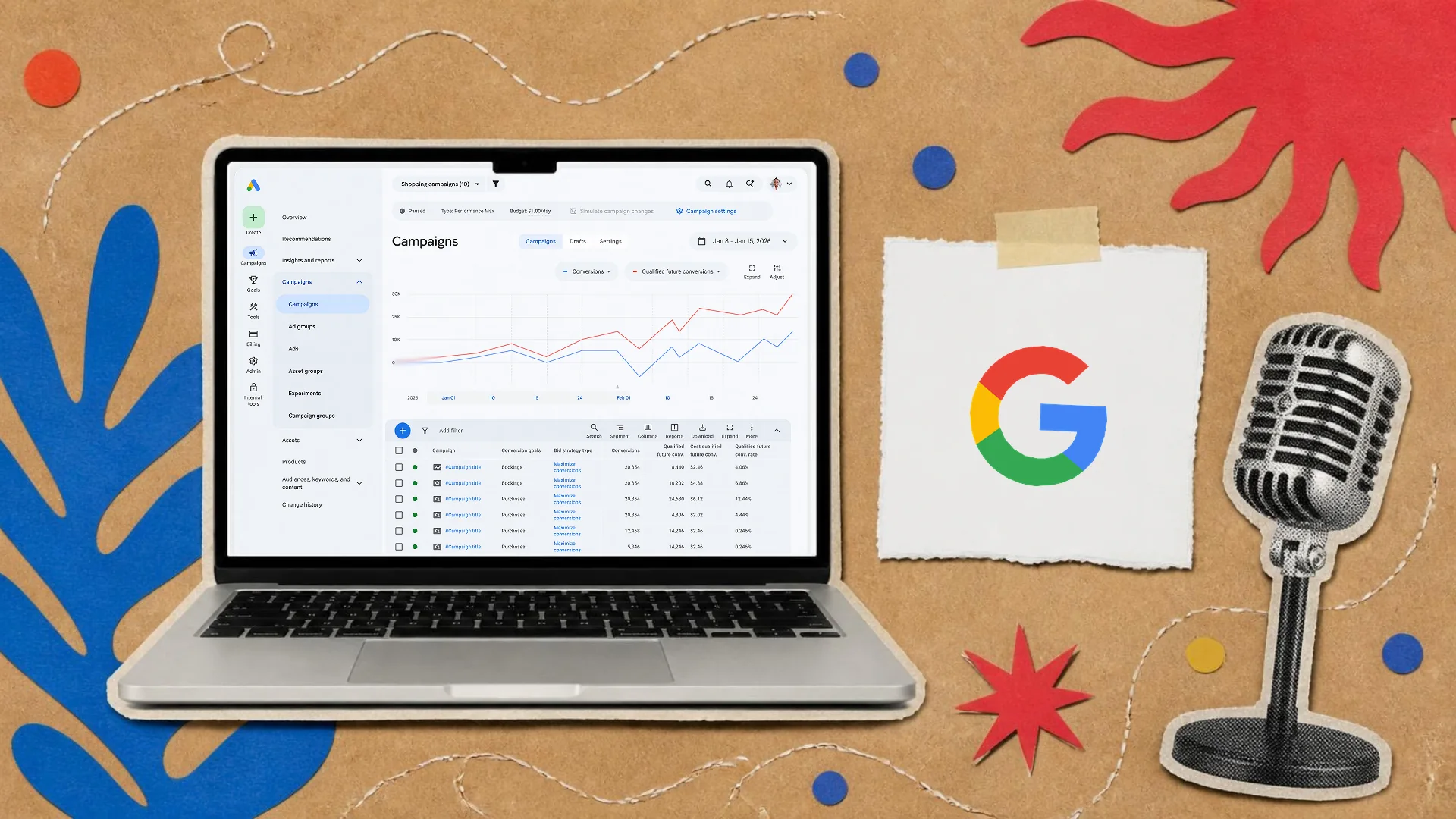
Google Marketing Live 2026: Search, Performance Max and measurement
Google's yearly ads event in May 2026 brought AI agents for advertisers, new bidding options, new customer modes and new measurement, alongside a steady stream of Performance Max changes. Here is what was announced, what is available, and what is English only for now.
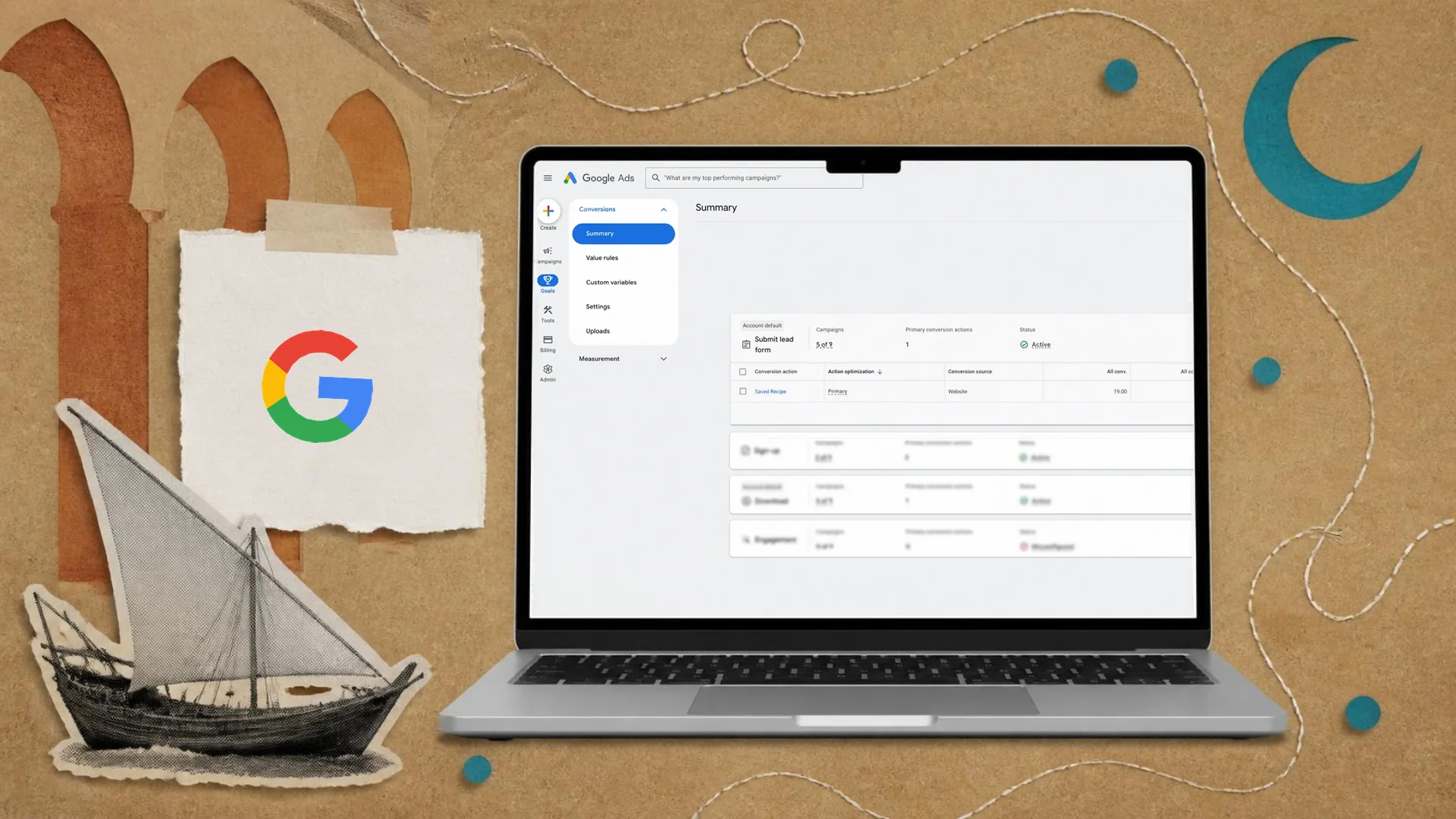
Google Ads in 2026: the changes Gulf agencies need to act on
Language targeting is disappearing from Search campaigns, online gaming ads opened in the UAE for licensed operators, call-only ads are ending, and new rules cover AI labels, conversions and account security. Here is the list, with dates, for agencies running accounts in the UAE and Saudi Arabia.
Snapchat creators in 2026: earnings, paid partnership rules and Gulf programmes
Snap tightened how creators earn, made its paid partnership label compulsory from July 2026, stopped recommending fully AI-made videos on Spotlight, and started creator programmes in Saudi Arabia and the UAE. Here is what changed for agencies that work with Snapchat creators.
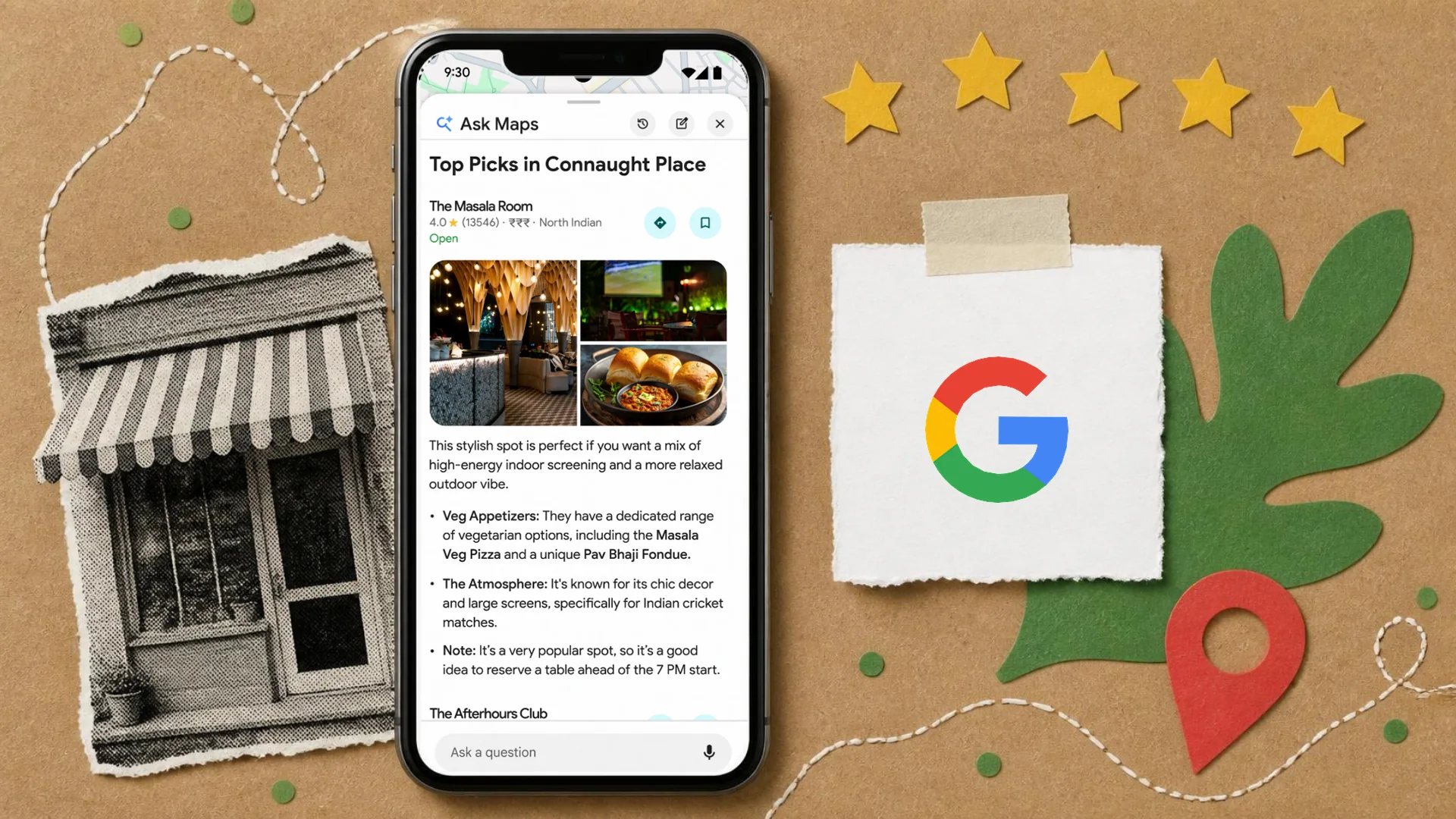
Google Business Profile in 2026: new review rules, Gemini and Ask Maps
Google changed its review rules, added tools that catch fake reviews and edits, connected Business Profiles to Gemini, and took Ask Maps to more than 150 countries. Here is what changed for local businesses in the Gulf, and what is still unconfirmed.
Meta Muse explained: the AI agent, the models and what launched when
Muse is not one product. It is the name Meta uses for its new AI models, an image generator, a video model still in preview, and, since 8 September 2026, a personal AI agent. Here is what each one is, what is available in the Gulf, and what it means for agencies.
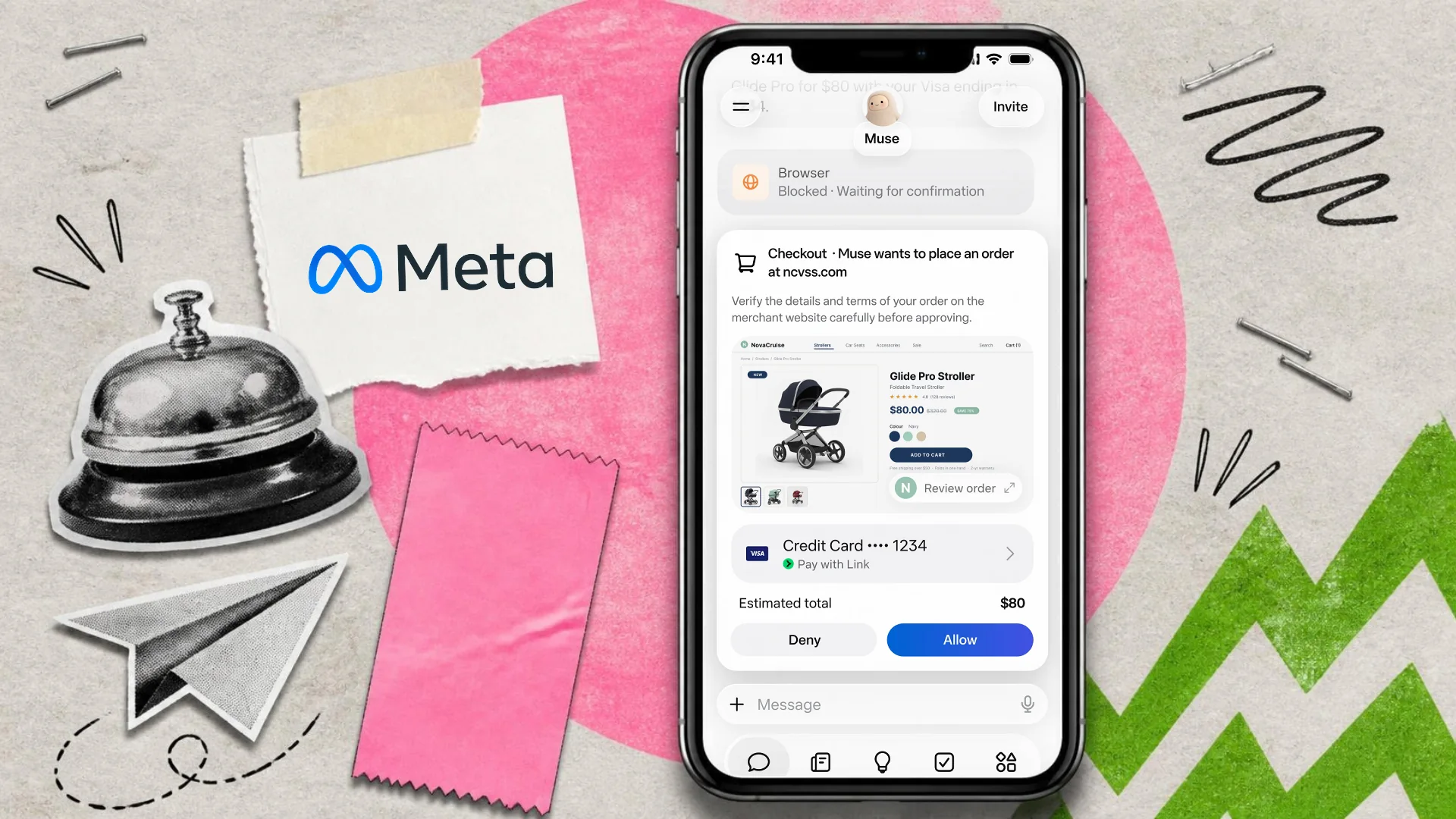
Muse, Meta's AI agent: what it does and what it means for brands
Meta's Muse app, launched on 8 September 2026, does things rather than answering questions: it sends emails, makes bookings and buys. It is only in the US and Canada for now. Here is how it works, what it costs, and why Gulf agencies should prepare before it arrives.
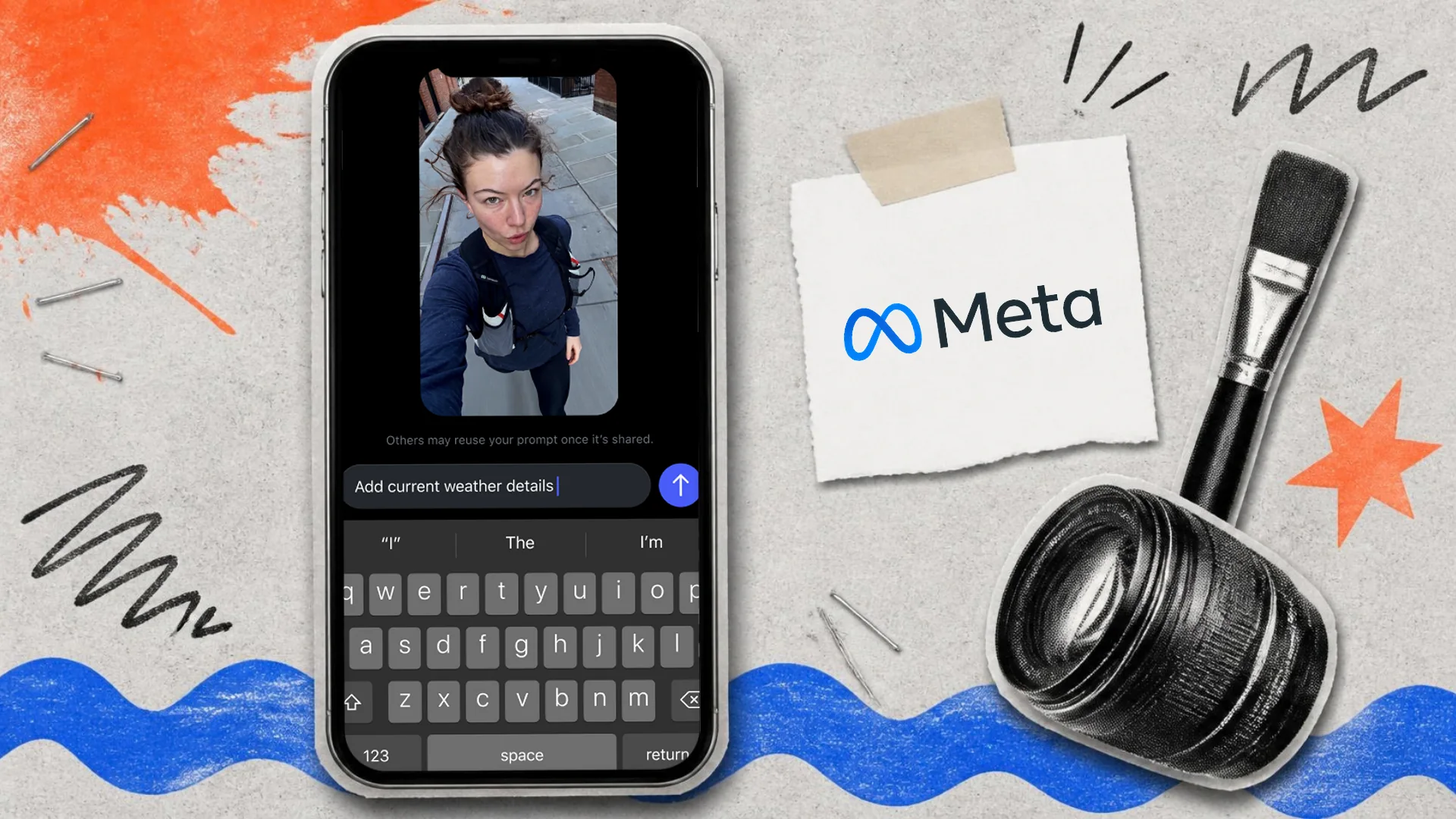
Muse Image: what Meta's new image model can do for brands
Muse Image, launched on 7 July 2026, plans a picture before drawing it, renders readable text and edits from a sketch. Here is what it does, where it is available, how it ranks against other models, and the rules to follow before using it for a client.
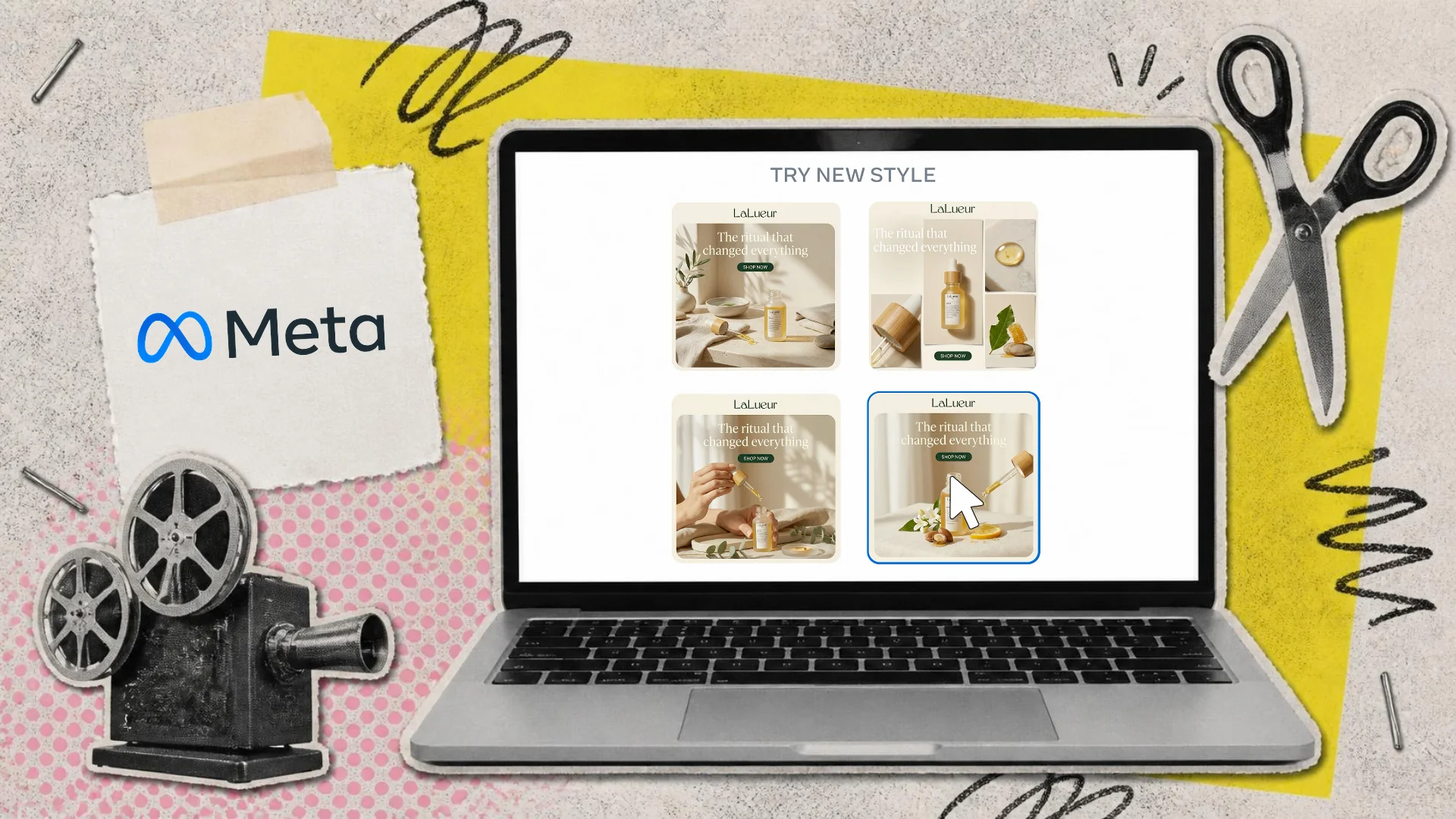
Muse in Meta ads: what AI image generation means for your creative
Meta says its Muse Image model will power image generation in Advantage+ creative, and Mark Zuckerberg says it will supercharge ad creative. Here is what has been announced, what is actually live, the rights rule that surprises agencies, and how to keep control of a client's brand.
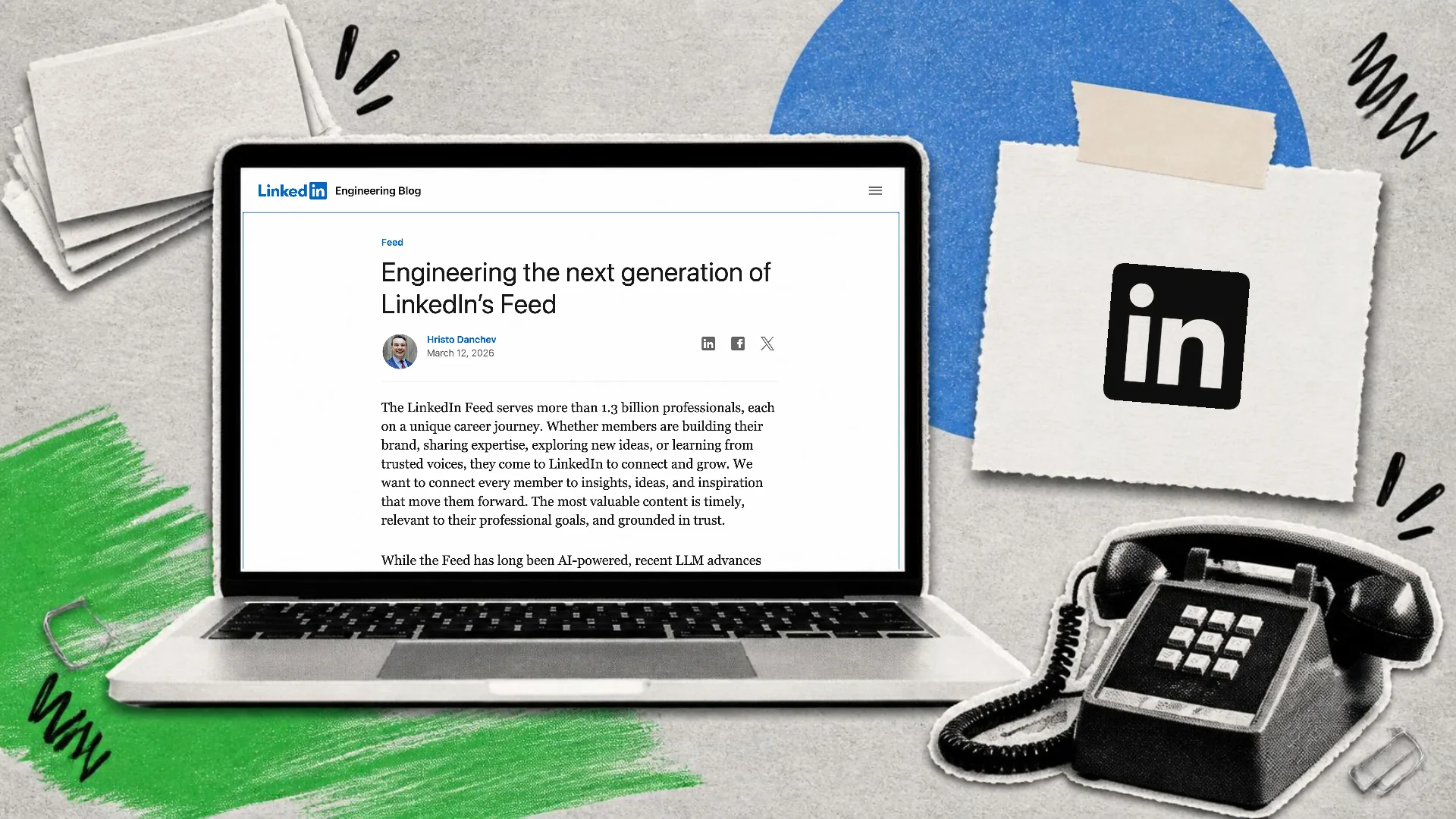
LinkedIn's rebuilt feed: what decides reach in 2026
In March 2026 LinkedIn replaced the systems that choose what people see with large language models, then cracked down on engagement pods and AI slop. Here is what LinkedIn has actually said, what it has not, and what it means for brand and founder posts.
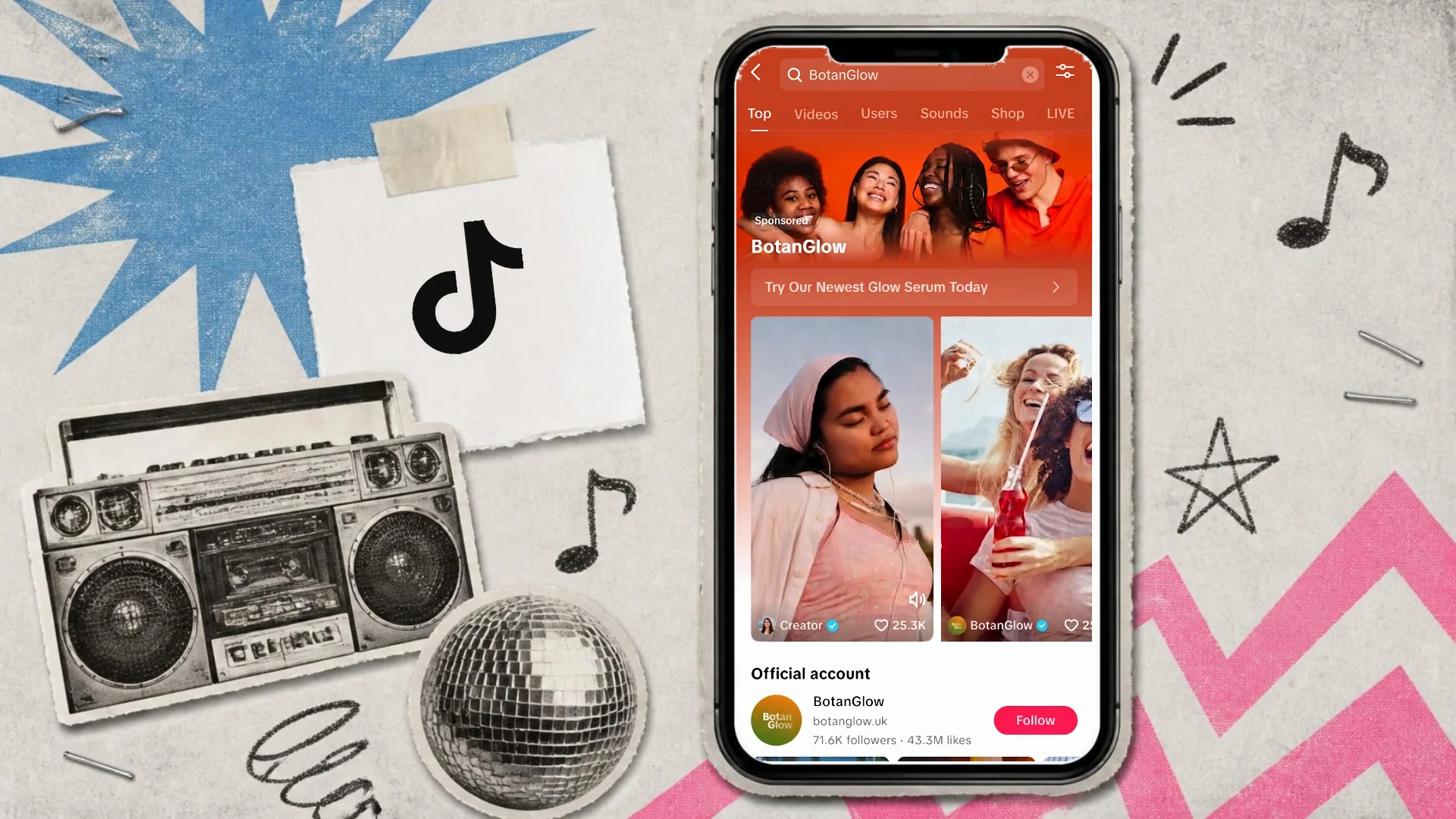
TikTok World 2026: the new ad tools, and which reach the Gulf
TikTok's yearly product summit in May 2026 brought Search Hubs, Branded Buzz, bigger reach buys and more AI. Much of it reached the Middle East in June; some of it depends on TikTok Shop, which the Gulf does not have yet. Here is what was announced and what you can use.
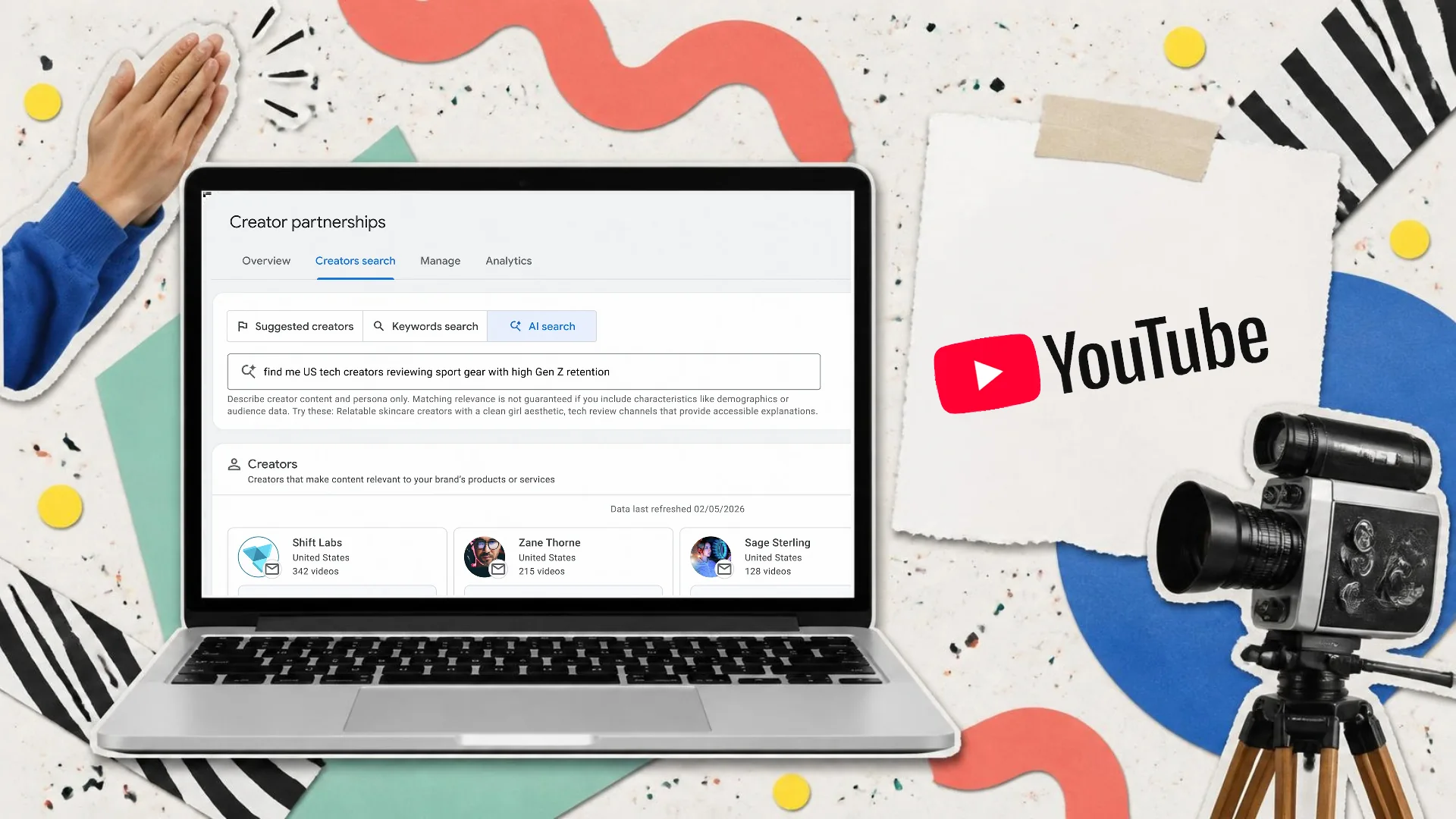
YouTube Creator Partnerships: working with YouTubers in 2026
In March 2026 YouTube replaced BrandConnect with Creator Partnerships, and since June its creator search tools have been open to advertisers in the UAE and Saudi Arabia. Here is how it works, what boosting a creator's video involves, and what to put in the contract.
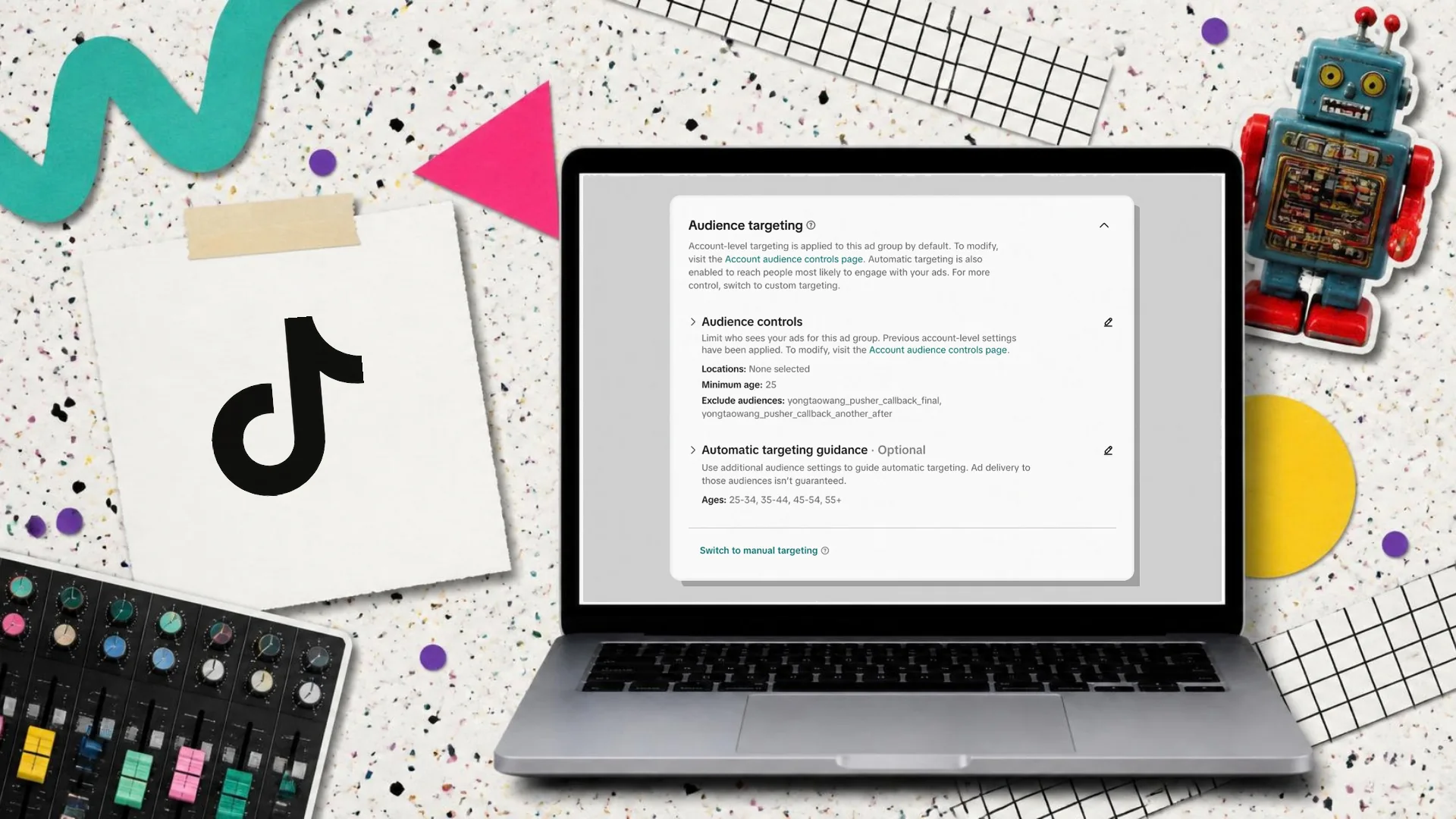
TikTok Smart+ in 2026: how much you can still control
Smart+ is now how most TikTok performance campaigns are built, with automation you can switch on or off piece by piece. Here is what changed since October 2025, what you still control, and the limits that trip agencies up.
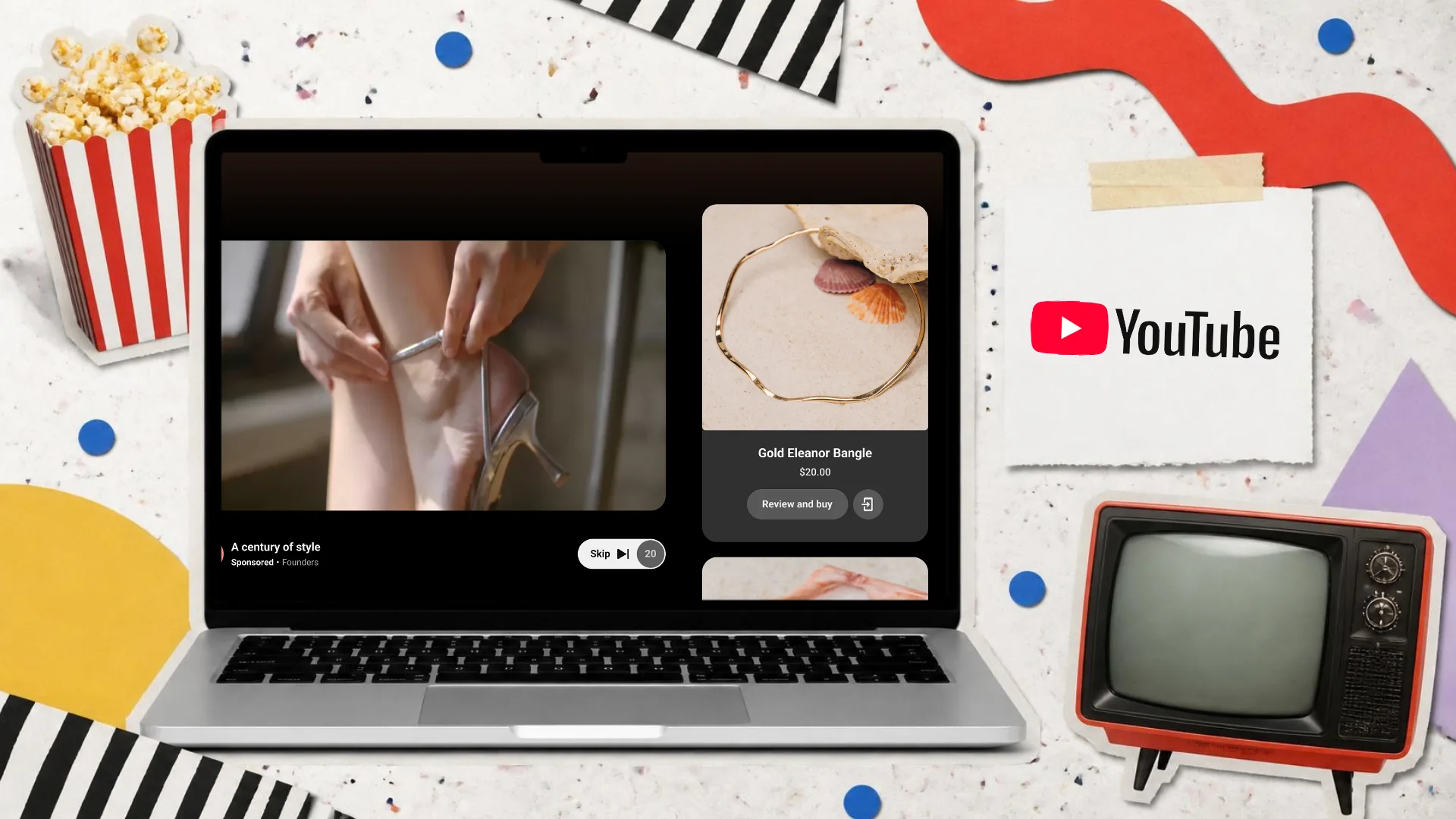
YouTube's 2026 ad formats: Brandcast, live streams, Shorts and TV
YouTube used Brandcast in May 2026 to push shopping on the TV screen and bigger creator sponsorships, and changed how ads run in live streams and Shorts. Here is what is new, what reaches the Gulf, and what is older than it looks.
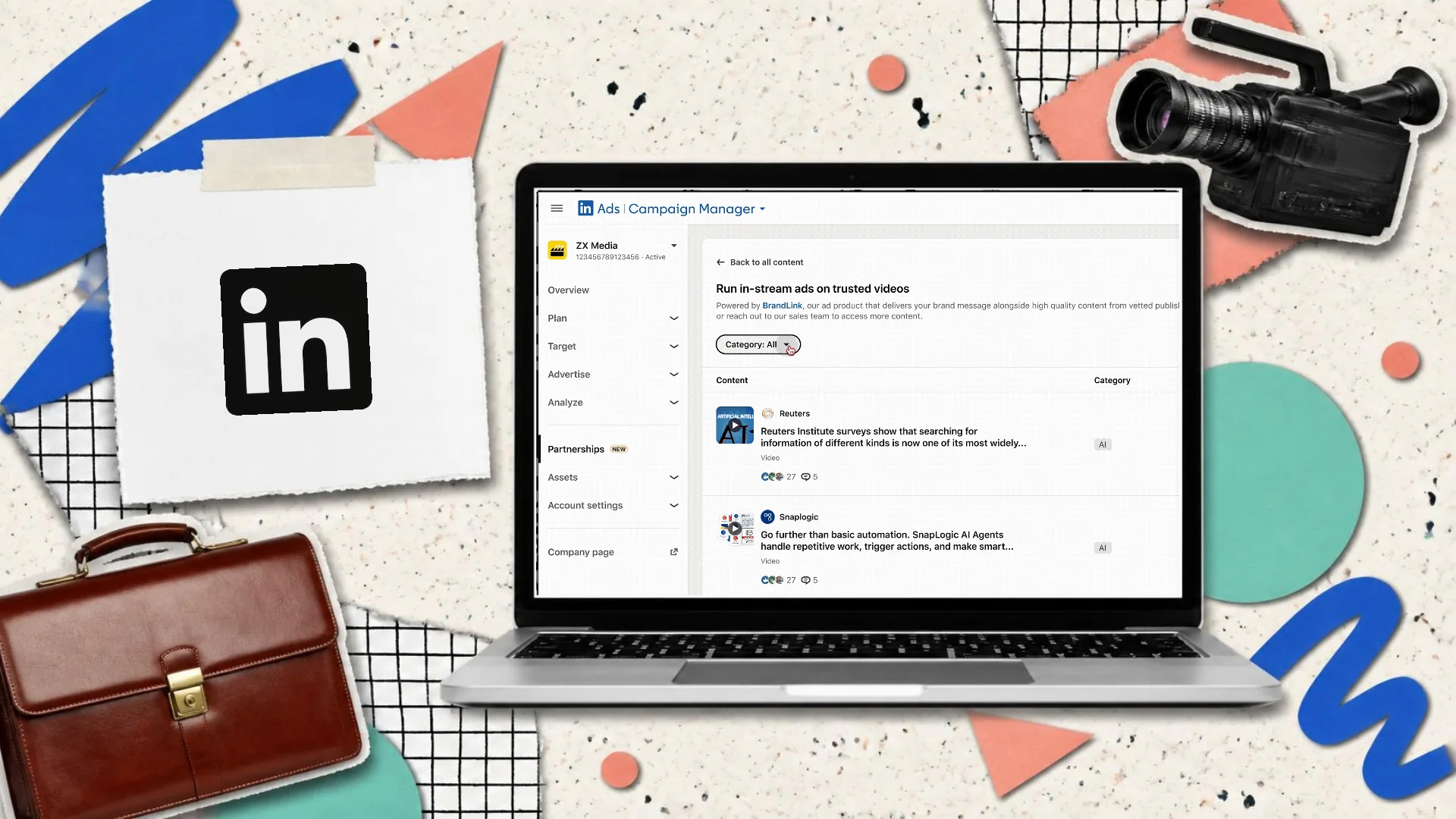
LinkedIn video ads in 2026: BrandLink, TV and Thought Leader Ads
LinkedIn's paid video business is growing fast, and in 2026 it opened BrandLink to self-serve and added new ways to buy TV ads. Here is what each format does, which ones Gulf advertisers can actually use, and the specs.
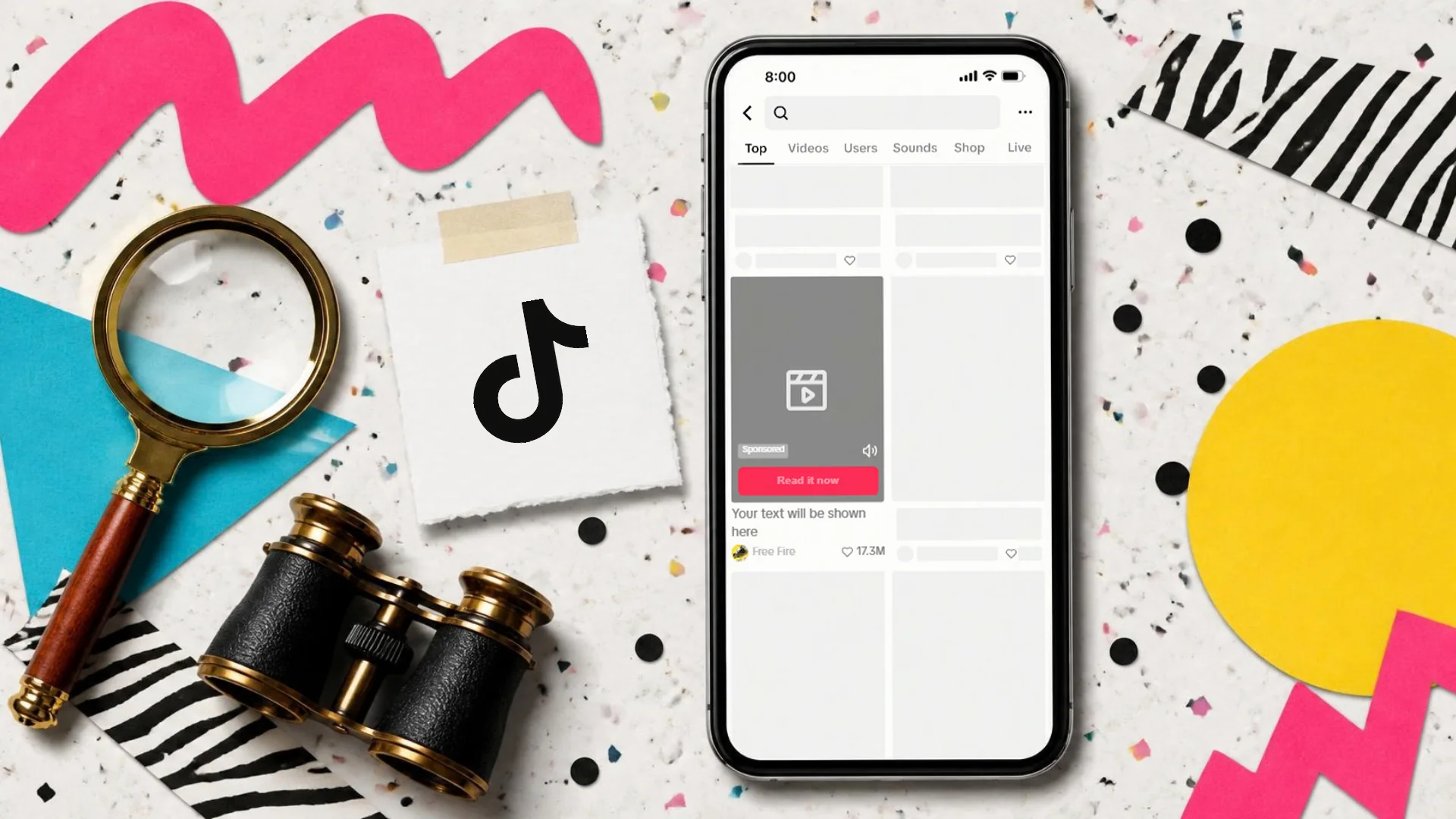
TikTok search ads in 2026: what Gulf agencies can use
TikTok now puts ads in search results in two ways: automatically alongside in-feed ads, and as keyword campaigns. The keyword campaigns are available in Saudi Arabia but not the UAE. Here is how both work, where Search Hubs fit, and which search statistics to trust.
Demand Gen in 2026: Display moves in, Maps and product videos arrive
Google is folding Display campaigns into Demand Gen, its YouTube-led campaign type, and added Google Maps, product videos and new AI tools in 2026. Here is what changed, what the migration removes, and what is not available in the Gulf yet.

LinkedIn Campaign Manager in 2026: what changed for advertisers
New names for campaigns, AI tools for creative, sharper measurement, company-level targeting, and a budget rule most guides still get wrong. Here is what changed in LinkedIn's ad platform, with the details that matter for Gulf accounts.

TikTok Symphony in 2026: AI video, avatars and the labels ads need
TikTok's free AI creative suite now generates video with Seedance, builds ads from a brief with Symphony Agent and puts avatars in front of the camera. Here is what each tool does, what is available in the region, and the labelling rules every AI ad must follow.
YouTube for brand channels in 2026: dubbing, A/B tests and new rules
YouTube's auto dubbing now translates to and from Arabic, title and thumbnail tests are open to everyone, and new rules on AI labels, templated content and the Partner Program arrive through 2027. Here is what matters for agencies running brand channels.
Meta's Generative Recommender: how AI now matches ads to people
In July 2026 Meta said it had started using large language models to reason about what an ad says and what a person wants. Here is what Meta has actually said, how it fits with the systems before it, and what it changes for agencies.

Instagram's Your Algorithm: what it changes for brands
Instagram now shows people the topics it thinks they care about, and lets them edit the list. Since June 2026 it covers the Feed, Reels and Explore worldwide. Here is how it works and what it means for the brands you post for.
Meta's Creator Marketing Hub: creators and partnership ads in one place
Meta has merged its Creator Marketplace and Partnership Ads Hub into one tool for finding creators, briefing them and running their posts as ads. Here is what it does, what is still rolling out, and what Gulf agencies should check.
Meta's AI creative tools in 2026, including Arabic voiceover
Meta now translates the voiceover in video ads into Arabic and ten other languages, is testing a tool that learns a brand's look from its past ads, and labels ads made with its AI. Here is what each tool does, and where a human still has to check.

Instagram's repost crackdown: what counts as original in 2026
Since April 2026, Instagram accounts that mostly repost other people's photos and carousels are left out of recommendations. Here are the rules, what counts as original, and what it means for brands that share creator content.

Meta's ads AI connectors: letting AI agents run ad accounts safely
Meta now lets AI assistants read and change ad accounts through its ads MCP server and command line tool. It is useful, and it needs rules. Here is what the connectors do and how an agency should set them up.

Mosseri's 2026 memo: authenticity, AI and brand content on Instagram
On the last day of 2025, Instagram's head argued that AI has made polish cheap and authenticity scarce. Here is what he said, what Instagram has done since, including labels for AI-generated profiles, and what it means for brands.
Sponsored is now Ad: Meta's new ad label, explained
Instagram ads no longer say Sponsored. They say Ad, directly under the account name, and Facebook is testing the same change. Here is what changed, what did not, and what to tell clients who notice.

What Instagram's ranking actually rewards in 2026
Watch time, likes per reach and sends per reach are the three signals Instagram's head has named as most important. Here is what he said, what Instagram has published about each surface, and which popular claims are not backed by anything official.

Meta is removing placement exclusions. What to do instead
Advertisers have started seeing a notice that excluding placements from Meta ad sets will no longer be available. Meta has not announced it, the scope is unclear, and there are still ways to control where ads run.
Meta's location fees: why ads reaching Europe now cost more
Since July 2026, Meta adds a fee of 2 to 5 percent to ads shown to people in six countries with digital services taxes. It depends on where the audience is, not the advertiser, so Gulf brands advertising to Europe pay it too.
Meta One explained: what the new subscription gives businesses
Meta launched Meta One on 15 September 2026, a paid subscription across Facebook, Instagram and WhatsApp with four plans for businesses and creators. Here is what each plan includes, what it costs in the UAE, and what it does not do.

Facebook and Instagram ad specs for 2026
Every Meta placement frames an ad its own way. Here are the sizes, text limits and safe zones from Meta's own Ads Guide, and what each one means for the creative you brief.
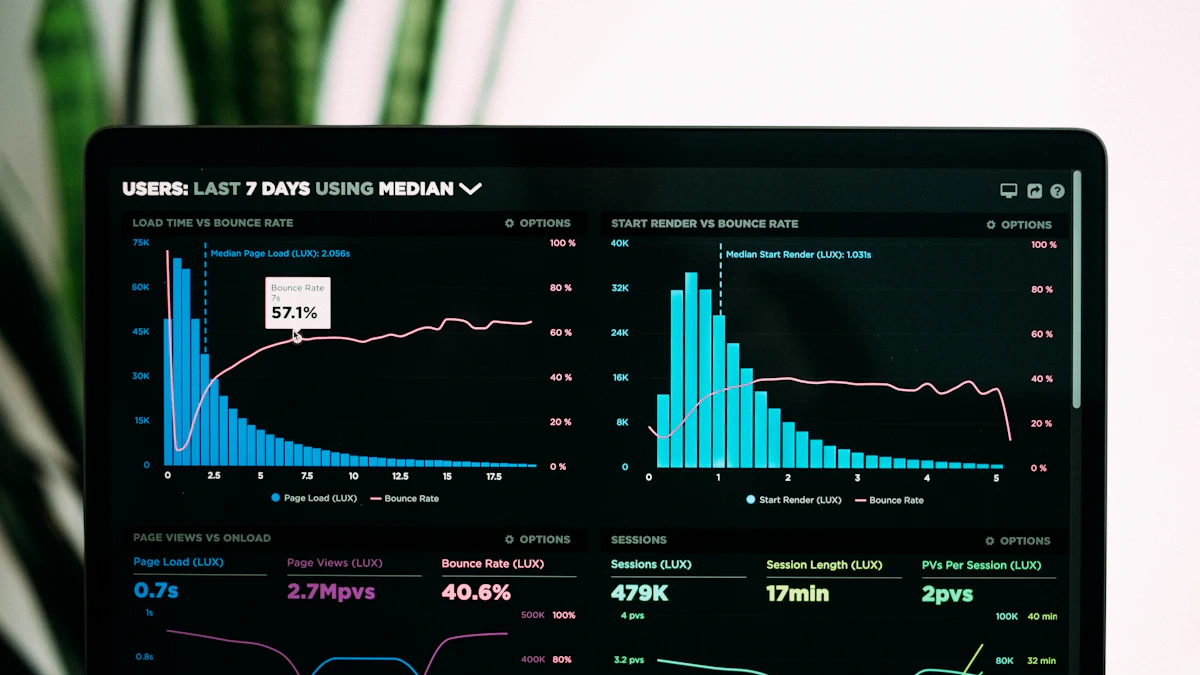
How Meta decides who sees your ads in 2026
Meta's ad system now does most of the targeting itself. What it needs from an agency is a simple account, good data and a wide range of creative. Here is how the system works and what to change.

TikTok ad specs for 2026, and how the button behaves
TikTok's in-feed ads have their own rules for video, captions and the call to action, and the button does not look the same at second one as it does at second five.

TikTok Spark Ads: running creators' posts as ads
Spark Ads put paid reach behind a real TikTok post, with the creator's name, caption and engagement intact. Here is how the permission works, what can go wrong, and what to agree with the creator first.

Snapchat ads in Saudi Arabia: formats, specs and budgets
In Saudi Arabia, Snapchat is not a teenage app. It reaches most of the population, and its ad formats reward vertical, sound-on, fast creative. Here is what to run and how to set it up.

YouTube ad formats in 2026, explained for agencies
Skippable, non-skippable, bumpers, in-feed, Shorts and the masthead: what each YouTube format is, which campaigns serve it, what it costs you, and where the words get cut.
LinkedIn ads for B2B clients in the Gulf
LinkedIn is the one ad platform where you can target people by job title, seniority and employer. It is also the most expensive per click. Here is how to use it well for a B2B client in the UAE or Saudi Arabia.

Advertising on X in 2026: what an ad looks like now
X has changed how its ads are labelled, how its website cards look and where the button goes. Here is what a promoted post shows today, and how to write one that survives the timeline.

Google responsive display ads: what Google does with your assets
You do not design a responsive display ad. You hand Google a set of pictures, headlines and logos, and it builds the ad for each slot. Knowing how it assembles them is how you keep control.

Snapchat Sponsored Snaps: ads in the chat inbox
Sponsored Snaps arrive in the Chat inbox, where Snapchatters spend much of their time, and open into a conversation with the brand. Here is how they work, who can run them, and how to plan the reply.

YouTube Shorts ads: what works in 2026
Shorts ads sit between creators' videos and can be swiped away instantly. The button arrives at 3 or 10 seconds depending on how you buy them, and only the first minute ever plays.

The agency numbers worth checking every Monday
Most agencies look at their numbers once a quarter, when it is too late to change them. Six figures, checked weekly, give a small agency enough warning to act.

Handing over a client when someone leaves
When an account manager resigns, the notice period is the only time the agency has to capture what they know. Most agencies spend it on goodbyes and a hurried call with the client.

Proposals that win retainers
A proposal is not a brochure about the agency. It is the first piece of work the client sees, and the ones that win read like the client wrote half of it.

Giving creative feedback without flattening the work
Bad feedback rarely kills an idea in one blow. It sands it down, round by round, until the work is safe, inoffensive and forgettable, and account and creative leads are the ones who can stop it.

Planning content for UAE and Saudi national days
Three dates carry more weight than any product launch on a Gulf content calendar. They reward preparation and respect, and they punish the generic post made the night before.

Caption length and hashtag rules by platform
Every platform has a caption limit, a few have hashtag limits, and only some of them make links clickable. Here are the rules our caption checker applies, and what each one means for the post.

UAE corporate tax for small agencies: what to know
Corporate tax now applies to almost every agency in the UAE, including the many that will never owe a dirham of it, and the free zone question is where small agencies most often get it wrong.
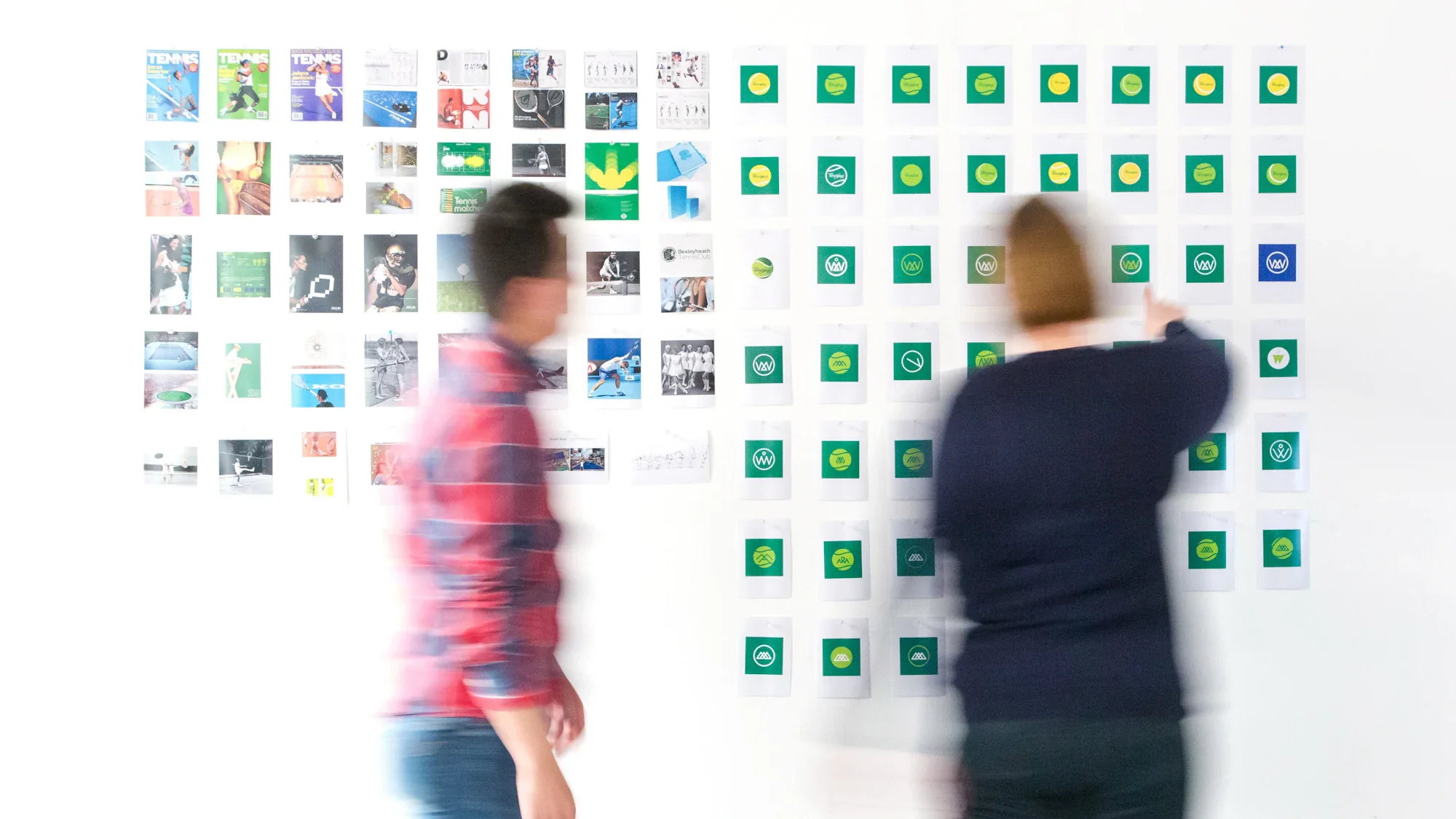
Moodboards that get approved first time
A moodboard is a proposal, not a collection. The ones that come back approved are the ones that make an argument the client can agree with, rather than a wall of pictures they are asked to like.

Onboarding a new agency client: the first 30 days
The first month of a new account sets habits that last for years. Most agencies spend it rushing to show work, when the real job is setting up how the work will run.

TikTok for brands in the Gulf: what to plan
TikTok rewards brands that behave like people making videos, not advertisers filling a slot. That changes how an agency plans the content, the creators, the approvals and the report.

Client approvals on WhatsApp without losing track
Gulf clients approve work on WhatsApp because that is where they actually answer. The fix is not to fight it, but to make sure the yes ends up somewhere you can find it.
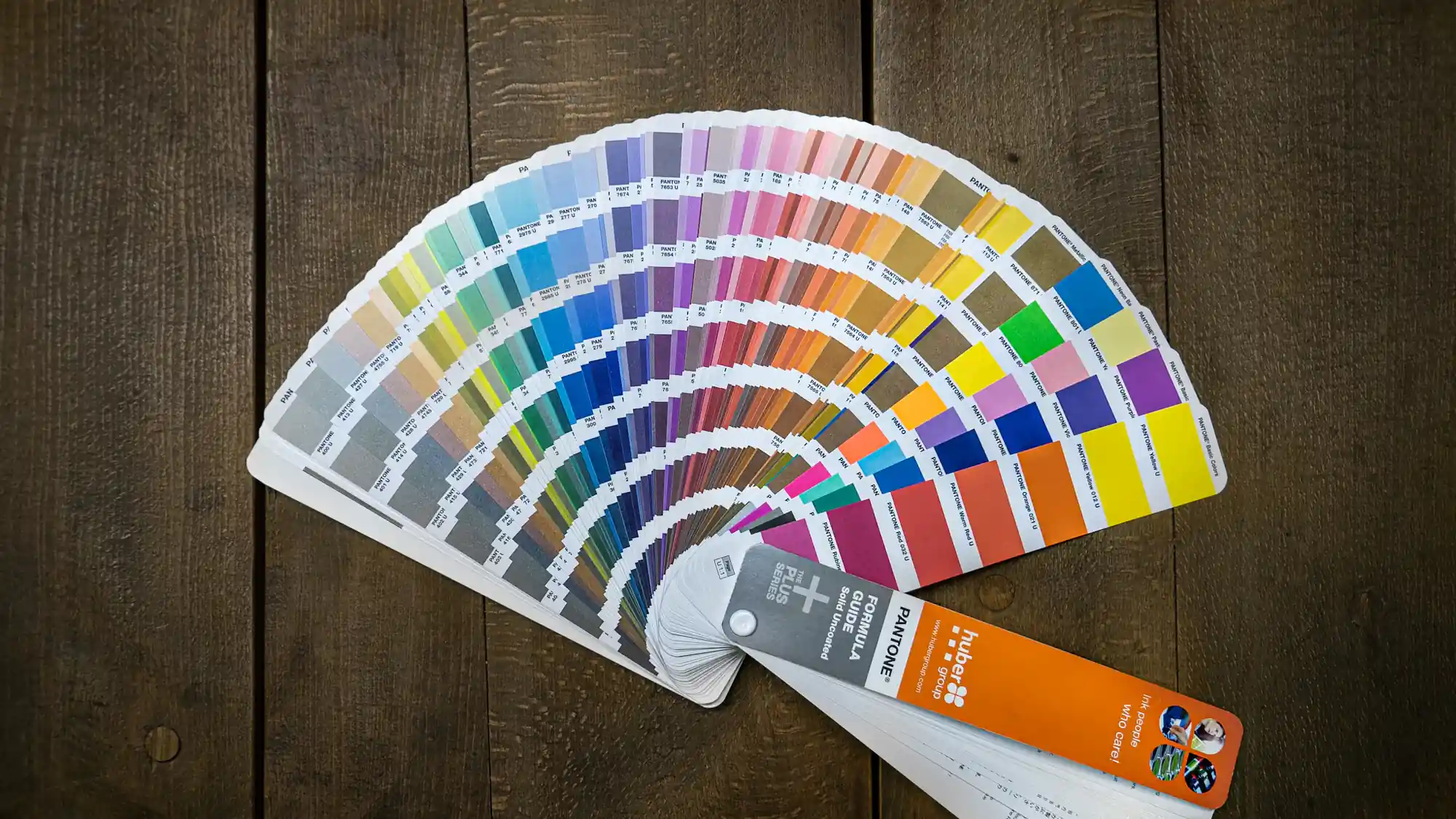
Brand guidelines clients actually use
Most brand guidelines are designed to impress at the handover and then quietly ignored. The ones that survive are shorter, more practical, and easy to find the day somebody needs a logo.

Scope creep: how to stop it without losing the client
Scope rarely grows through one big request. It grows through small favours nobody writes down, until the account costs more to run than it earns.

Quote, pro forma or invoice: which one when
Five documents cover almost everything an agency sends a client about money. Each one does a different job, and sending the wrong one is how payments stall and VAT goes wrong.
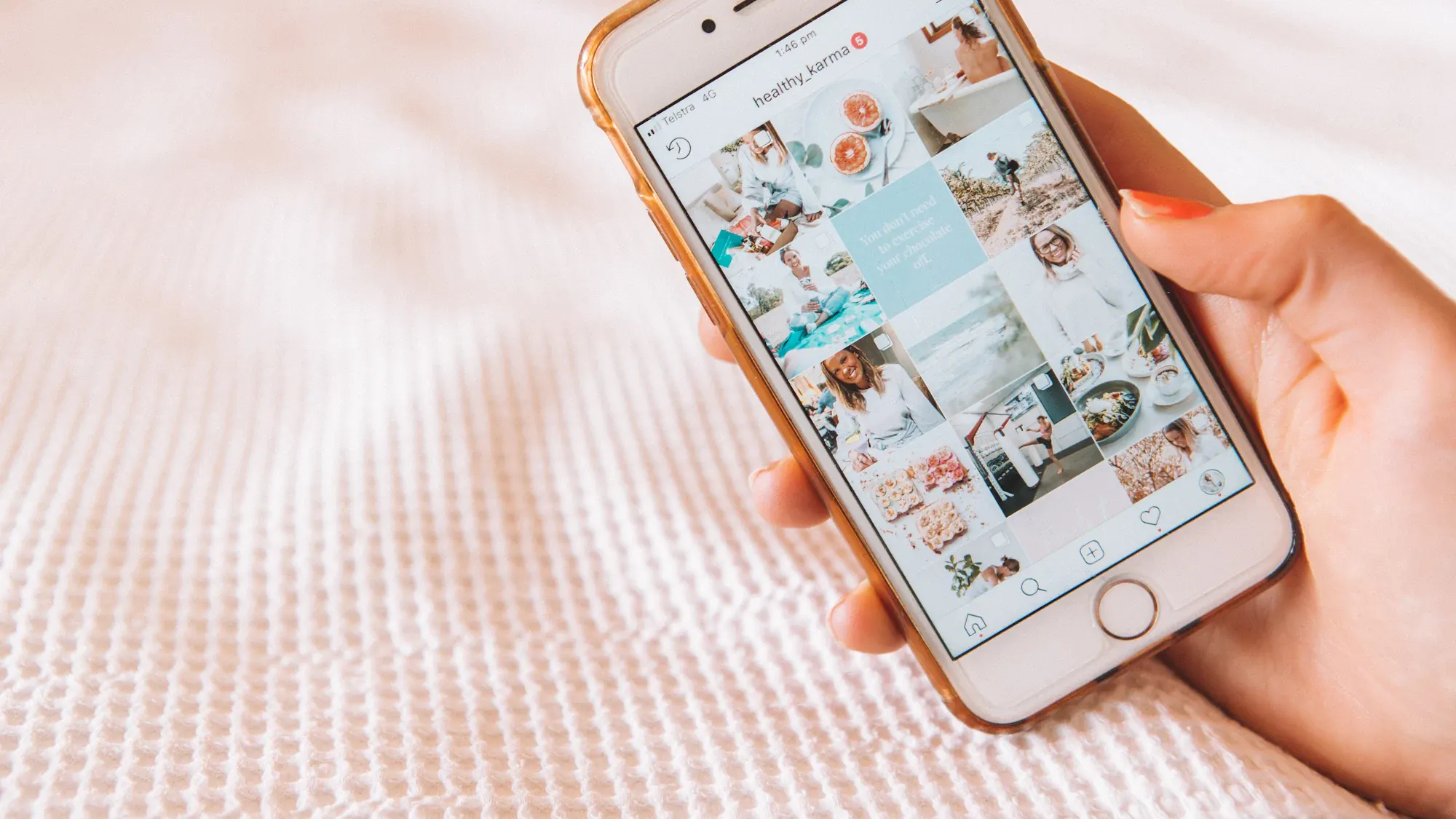
How to spot fake followers before you book a creator
A follower count is the easiest number in influencer marketing to buy. What is much harder to fake is how an audience behaves, and that is where to look.

Share of voice: measuring PR against competitors
A coverage count tells a client how busy the month was. Share of voice tells them whether they were heard over everyone else in the category, which is usually the question they were really asking.
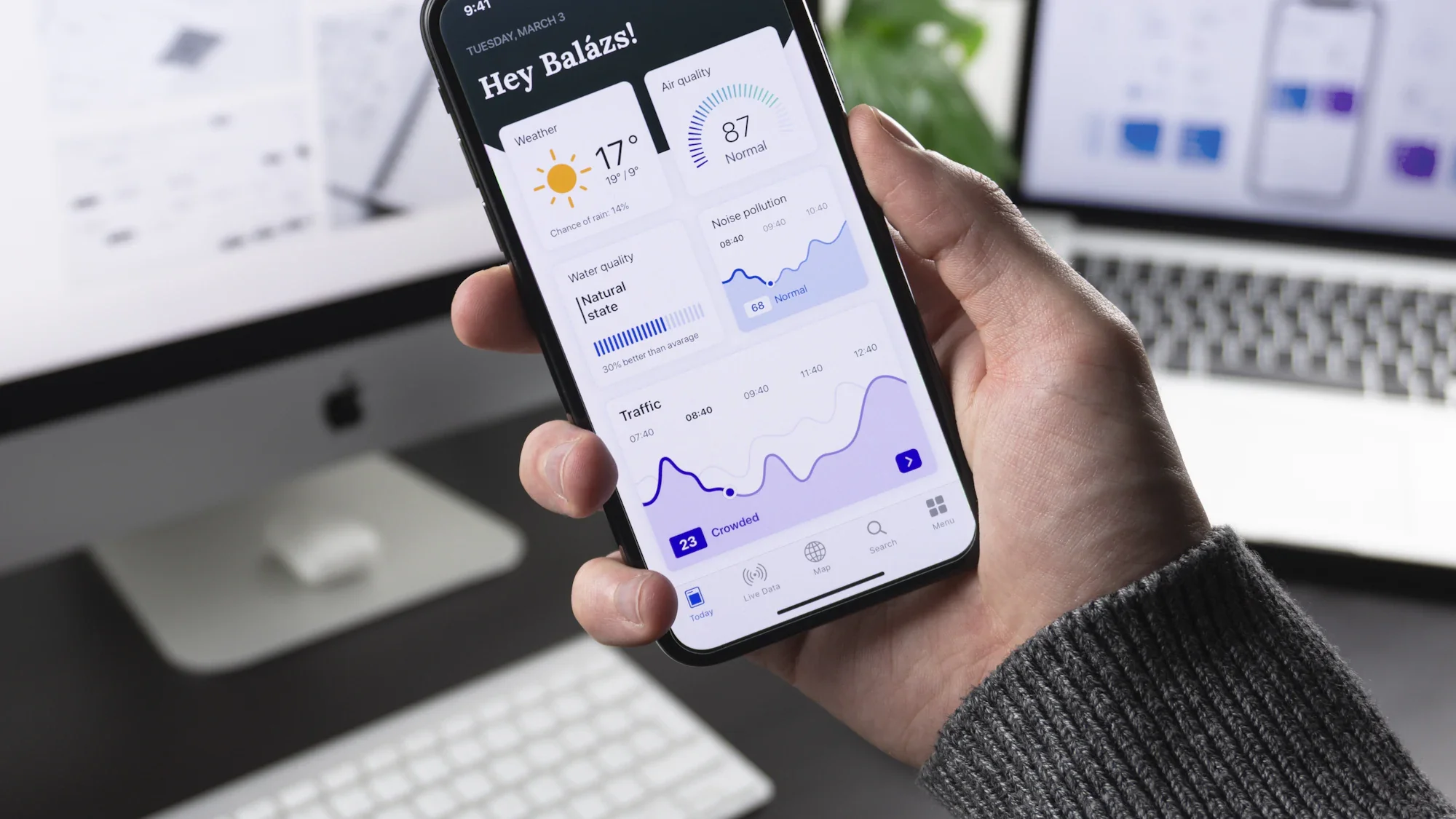
How to calculate engagement rate, and what counts as good
Engagement rate is the quickest way to see whether an audience is paying attention. It is also one of the easiest numbers to get wrong, and a good figure depends entirely on the account's size.

Micro or macro influencers: which to book in the Gulf
Follower count is the easiest number to compare and the least useful on its own. The better question is what the campaign needs a creator to do.

The UAE advertiser permit: what to check before booking
Since February 2026, creators who advertise on social media in the UAE need a permit. For an agency, checking it is now as routine as checking the rate.

Building a media kit as a Gulf creator
A media kit is the page an agency reads before deciding whether to message you. The ones that get replies are short, current and honest about the numbers.

How to pitch a story to Gulf media
Journalists in the region receive far more releases than they could ever read. The ones that run are specific, written properly in each language, and sent at a sensible time.

How to write an influencer brief creators actually follow
Most briefs fail in one of two ways: they say too little to be useful, or so much that the creator stops reading. The ones that work fit on two pages and leave room for the creator.

How to choose agency management software
Most tools look good in a demo with sample data. The questions that matter are the ones agencies usually think to ask six months after signing up.
How much to charge for social media management in the UAE
There is no published rate for managing a brand's social channels, and copying a competitor's number tells you nothing about your own costs. Build the price from the work instead, line by line.

UGC or influencer content: which does a brand need
They are often quoted in the same breath, but a brand buying UGC and a brand booking an influencer are paying for different things. Knowing which one the brief needs changes the price, the contract and the report.

Hiring your first account manager
The hire usually happens a quarter later than it should, and the handover is the part nobody plans. Here is what to give away first.

Posting schedules for Gulf audiences
Two weekends, two clocks and an evening that runs late. A schedule built for one Gulf market quietly misfires in the next.

Measuring PR when there is nothing to click
Coverage does not come with a dashboard. That is not a reason to invent a number, and it is not a reason to report nothing.
Handling a social media crisis for a Gulf brand
A crisis usually starts as a comment nobody escalated and a reply written in a hurry. The agencies that handle it well decided the rules before they needed them.

Running one agency across Saudi and the UAE
Two currencies, two working weeks and two sets of client paperwork. Most agencies end up running two of everything, including the client record.

UAE VAT invoice mistakes agencies keep making
Most invoices that come back from a client's finance team are not wrong about the work. They are wrong about a detail, and each one costs a payment cycle.

Planning a client calendar around Ramadan
The month reshapes working hours, audience behaviour and tone all at once. Agencies that plan it in February have a good month. The rest improvise.

Campaign launch day: the checklist
Most launch day problems were decided the week before, when nobody locked the approvals or clicked the links. A short list, run in order, catches them while they are still cheap.

Getting content approved without forty messages
Social content is rarely late because nobody made it. It is late because nobody signed it off, and the approval is scattered across three inboxes.

Measuring influencer ROI and EMV honestly
Earned media value can make almost any campaign look like a success, which is exactly why a client stops trusting it. Used carefully, beside the numbers that matter, it still has a place in the report.
When your agency's tool stack starts costing more than it saves
Every tool in the stack is good. The cost is in the gaps between them, and it shows up as a team that feels busier than the revenue justifies.

Cash flow for small agencies: a 13-week forecast
A profitable agency can still struggle to make payroll. A 13-week cash forecast shows the weeks where the money runs thin, while there is still time to do something about them.

Working with freelancers without losing control
Freelancers let a small agency take on work it could not staff alone. They also carry client files, logins and ideas out of the building unless the agency has decided in advance how they come back.

Getting paid on time in the UAE
Late payment is rarely about a client being unwilling. It is usually about an invoice that was easy to set aside, and a follow-up nobody owned.

Usage rights and whitelisting, explained for agencies
They are the two lines most often missing from an influencer agreement, and the two most likely to cause a dispute months after the campaign has finished.

Running influencer campaigns in the Gulf without a spreadsheet
Rates here are negotiated, not published, and half of what runs is never captured. The administration is the hard part, not the creators.

Project stages clients understand
Most "where are we with this?" messages are not impatience. They are a client with no way of knowing where the work is, asking the only way they can.

What actually belongs in a monthly client report
Most agency reports are long because length feels like value. The ones clients read are short, lead with the answer, and admit what did not work.

How to build a month's content calendar for a client
A good calendar is not a list of post ideas with dates attached. It is a plan the client can approve in one sitting, and a schedule your team can deliver without rebuilding it every week.

How to price an agency retainer in the UAE
Most retainers are priced from a competitor's rate card and a hopeful guess at hours. Here is a way to arrive at a number you can defend when the client asks what they are paying for.

Writing a creative brief your team can use
A creative brief is not a form to fill in before the real work starts. It is the page every later decision gets judged against, and most briefs are too vague to do that job.