On 31 December 2025, Adam Mosseri, the head of Instagram, published a long post on Threads, and a twenty-slide version on Instagram, about what he expected 2026 to bring. His headline idea was that "authenticity is becoming infinitely reproducible": the things that once made a creator stand out can now be imitated by anyone with AI tools. It is the clearest statement of where Instagram thinks it is going, and it has shaped several changes since.
What he said
- AI tools can now reproduce what used to make creators distinctive, and feeds are filling with synthetic content. That makes authenticity scarce, and should raise the value of content only a real person could make.
- The polished, square-photo feed is, in his word, dead. People stopped sharing personal moments to the feed years ago; they share them in Stories and, above all, in direct messages, where the content is unpolished.
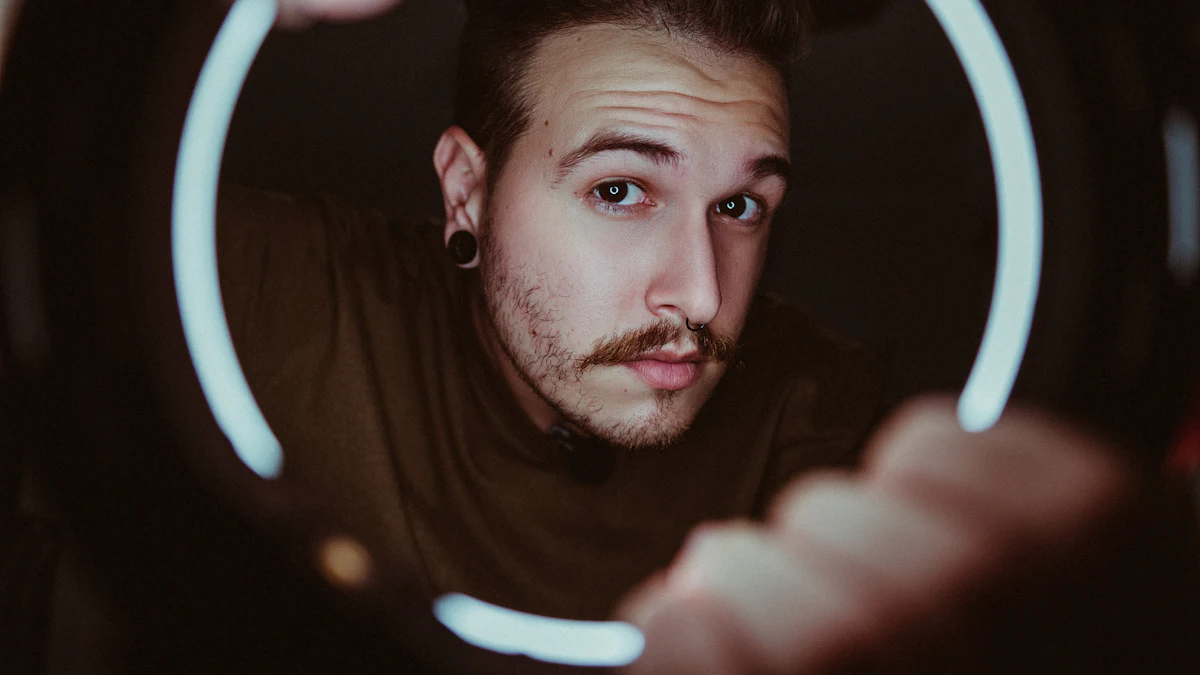
- Creators who do well will lean into raw and imperfect images. Imperfection becomes a signal that something is real.
- People will start from scepticism about whether media is real, and pay more attention to who is sharing it and why.
- Detecting AI content will get harder over time, so it may become more practical to verify real media, for example with cameras that sign images when they are taken, than to catch fake media.
- Platforms should show more context about who is behind an account, so people can decide what to trust.
Guides often summarise this as raw, real and human. Mosseri's own words were about raw, real and authentic content, and about who is behind it.
What Instagram has done since
The clearest follow-up is labelling. In May 2026 Instagram began testing an optional label for creators whose content is generated or modified with AI. On 31 August 2026 it replaced that with a more specific AI-generated profile label, for profiles that feature a person generated by AI. Creators who simply use AI tools do not need it. Profiles that Instagram detects as featuring an AI-generated person without the label become ineligible for recommendations; profiles that add the label themselves see no change in reach, and decisions can be appealed through Account Status.
For individual posts, Meta's AI info label, which replaced Made with AI in 2024, marks content made or significantly edited with AI. Meta detects much of it through industry metadata standards, sits on the steering committee of the C2PA content provenance group, and in July 2026 said it would sign the EU's code of practice on labelling AI-generated content.
Signing images in the camera, and fingerprinting real media, remain ideas. Instagram had not launched either when we checked.
What it means for brands
A brand is not a creator, and a client's product photography does not need to look like a phone snapshot. But the memo points to a few shifts that apply to brand accounts too.
- People over polish. Content with a real person, a real place and a real moment increasingly outperforms content that could have been generated. Behind the scenes, staff, founders and customers are assets.
- Formats that feel personal. Stories, direct messages and content made to be sent to a friend matter more than a perfect grid.
- Honesty about AI. If a brand uses an AI-generated person, as a virtual ambassador or a model in ads, label it. Unlabelled AI people now risk the account's reach.
- Creators as the trusted voice. In a feed full of synthetic content, a known creator talking to camera carries credibility that a brand post struggles to match.
- Consistency and history. If audiences look at who is behind an account, a long record of genuine posts is worth more than a burst of perfect ones.
A note for Gulf brands
Many Gulf brands have invested heavily in polished production, and that still has a place in ads, campaigns and the website. The shift is in the everyday account. Plan a share of content that is quicker, more personal and more obviously real: the team, the customers, the process. For clients experimenting with AI-generated models or presenters, make the label part of the production checklist, alongside the usual approvals.
Before booking creators to carry that authenticity, the free fake follower checker on this site looks for signs of bought followers, and the Instagram engagement rate calculator shows whether an audience is genuinely responding.