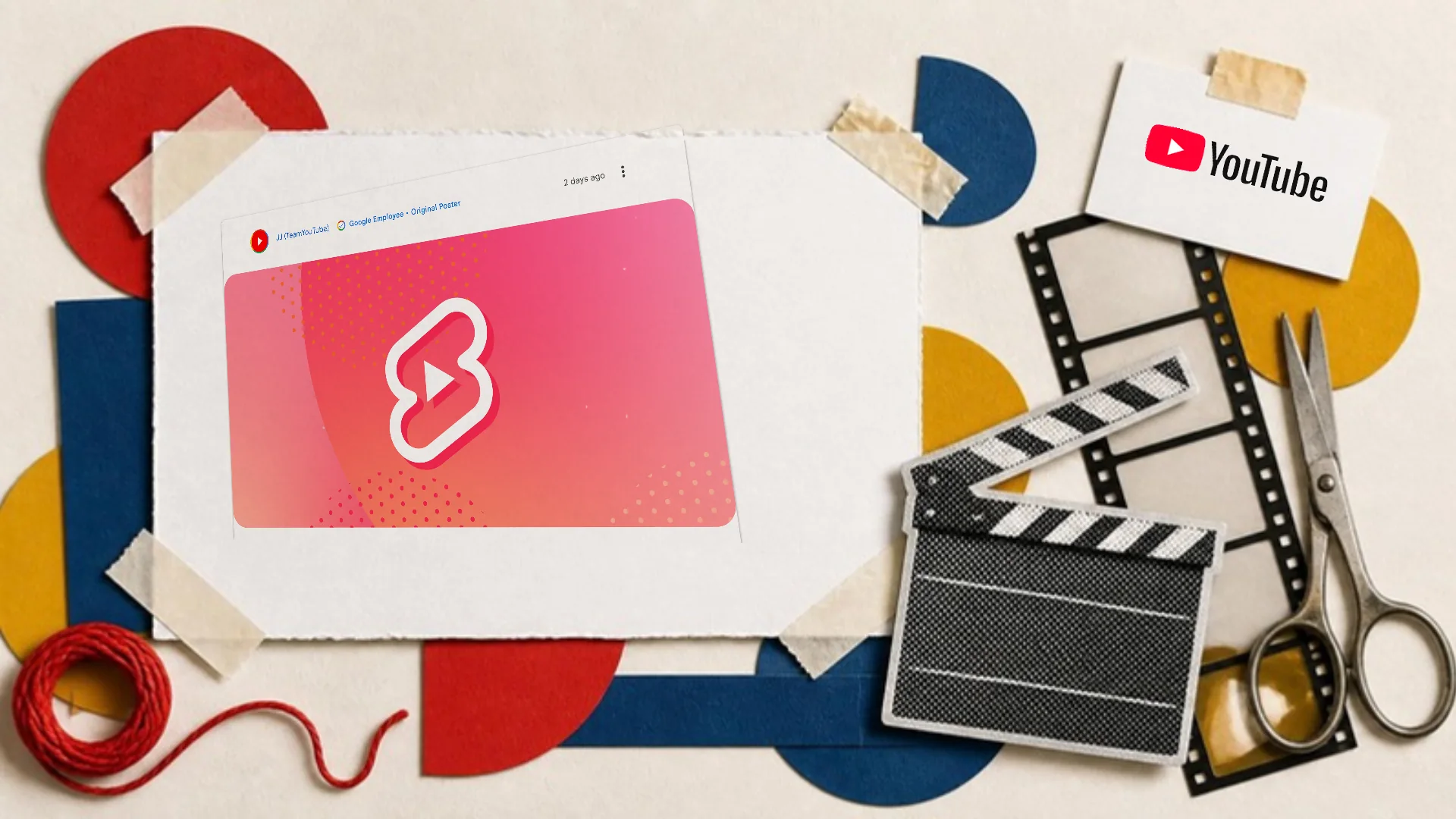
On 1 October 2026, TeamYouTube posted an update on the YouTube Help Community titled "Prioritizing original content on Shorts". YouTube said it is updating its recommendation systems to further prioritise original content and to reduce the reach of content re-uploaded from other creators without anything added. Most coverage is dated 2 October because of the time difference with the US.
YouTube's Creator Liaison, Rene Ritchie, explained the change on the Creator Insider channel the same day, according to trade coverage. The message to creators who use other people's clips was simple: add real value through your own commentary, edits or storytelling.
Who loses reach
Channels that YouTube identifies as mainly aggregating or re-uploading other creators' videos without significant changes will likely see less distribution in the Shorts feed. That is the compilation page, the "best moments" account and the clip channel that lifts viral videos from elsewhere and posts them with a caption.
Ritchie was specific about what is not enough to make a clip original:
- A voice-over that only describes what is happening on screen.
- Minor technical edits, such as a crop, a filter or a speed change.
- Template-based bulk changes applied to many clips at once.
What does count is the work a viewer would recognise as yours: commentary, analysis, storytelling and distinctive editing. Reports differ on creators who cut Shorts from their own long videos. Android Authority says those should not lose visibility, while other coverage lists it as not yet clarified, so treat it as likely but unconfirmed.
What YouTube did not say
There is no percentage, no start date, no review timeline and no dashboard that tells a channel it has been classed as an aggregator. The only sign will be reach. Ritchie said that a channel which moves towards original content will have its reach re-evaluated by the recommendation system, so the classification is not permanent.
For creators who want to share someone else's work, he suggested the channel's Posts tab, which sends viewers to the original upload rather than copying it.
Monetisation is a separate rule
This change covers recommendations only. Whether a channel earns money is still decided by the YouTube Partner Program's reused content policy, which already requires significant changes to borrowed material. In July 2025 YouTube renamed its repetitious content policy to inauthentic content, covering mass-produced or repetitive videos, and said the reused content rules were unchanged. A re-upload channel can therefore lose monetisation and now reach as well.
YouTube is following the other platforms here. Instagram restricted reach for reposted Reels in 2024 and for photos and carousels in April 2026, and Facebook did the same in July 2025.
What agencies should change
- Audit any client channel that leans on reaction clips, compilations or reposted user content. If most Shorts are other people's footage with a caption, plan for less reach.
- Brief editors on the difference between commentary and narration. A presenter giving an opinion is original; a voice reading out what the clip shows is not.
- Cut Shorts from the brand's own long videos, events and shoots first. It is the safest source of original material.
- Get written permission and add something of your own when featuring a creator's clip, and credit them.
- Track Shorts views per channel weekly from now, so a drop can be tied to this change rather than guessed at.
- Drop any plan that relies on bulk-edited clips from templates. YouTube named that pattern directly.
For Gulf brands the opportunity is the reverse of the risk. Original Arabic and bilingual Shorts made for the region now compete against fewer recycled compilations for the same feed.
The YouTube engagement rate calculator on this site checks how a channel's recent videos perform against its subscriber count, a quick way to see whether reach has changed since the update.