Meta has been adding generative AI to its ad tools for two years, and in 2026 the pace picked up. On its July earnings call it said more than 9 million small businesses used at least one of its AI creative tools in the second quarter, and that use of image generation had more than doubled in the quarter. At Cannes in June it announced the change most relevant to Gulf agencies: Arabic is now one of the languages its AI can translate a video ad's voiceover into.
Voiceover translation, now in Arabic
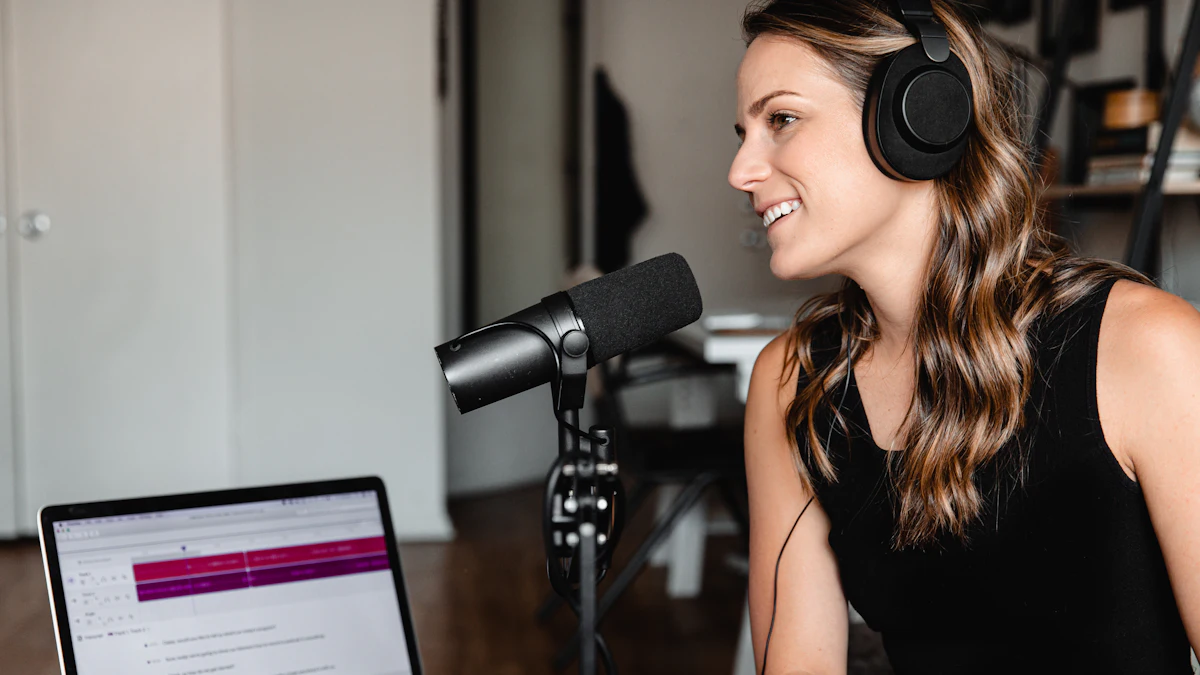
Meta's video voiceover translation takes the spoken audio of a video ad and produces versions in other languages. At Cannes 2026 Meta added Portuguese, Hindi, Arabic, German, French, Chinese, Italian, Indonesian, Polish, Dutch and Turkish. It also expanded translation of text that appears on images and video to Portuguese, French, German, Italian and Indonesian.
For an agency with English creative and an Arabic-speaking audience, that is an obvious way to test an idea in a second language without a second shoot. It is not a substitute for creative made in Arabic. A translated voiceover will carry the words, but not necessarily the tone, the dialect or the cultural references that make an ad feel local, and a Gulf audience will notice. Use it to learn which ideas deserve a proper Arabic production, and have a native speaker review every translated version before it runs.
The organic side is moving too. Meta's creator tools already translate Reels with an optional lip sync, marked Translated with Meta AI, and in June 2026 Meta said Facebook would add Arabic to those translations.
Brand memory and the end-to-end tool
The most ambitious announcement at Cannes 2026 was an end-to-end creative tool that turns performance data into creative decisions while keeping a brand's identity and tone. Part of it is brand memory, which learns a brand's look and voice from its existing ads. Meta said brand memory was in testing, with a wider rollout planned in the coming months, alongside an approval workflow inside the tool and an integration with WPP's platform. Text generation now also covers the words inside image creative.
What Advantage+ creative can already do
- Generate new backgrounds for product images in catalogue ads.
- Expand an image or video to fit other placements, and animate still images.
- Turn several images into a multi-scene video with text and music.
- Generate music, create images in the style of different audiences, and test virtual try-on for some products.
- Apply a brand's logo, colours and fonts to generated creative.
- Create images from a video, a feature Meta highlighted in July 2026. Meta has also said its new Muse image model is coming to Advantage+ creative.
What Meta says about checking the output
Meta's own guidance is to review and approve every preview before an ad is published, and it notes that the previews do not show every version the system might produce. Generated versions can be switched off. For agencies, that guidance is the minimum. A generated background that puts a product in the wrong setting, or a translated line that says something the client would never say, is the agency's problem once it runs.
- Decide with each client which AI features are allowed, and record it.
- Turn off the features a client has not approved, rather than relying on reviewing every variation.
- Have someone who speaks the language review translated versions, especially in Arabic.
- Check product claims, prices and legal text in anything generated, since AI can alter them.
How AI ads are labelled
Meta labels ads that were created or significantly edited with its AI tools. The AI info label usually sits in the About this ad menu; if the ad shows a photorealistic person generated by AI, the label appears next to the ad label itself. Minor edits such as resizing or colour correction do not get a label. Since June 2026 Meta has also been detecting ads made with other companies' AI tools, through the industry metadata those tools add. Ads about social issues, elections or politics must disclose AI use themselves.
Business Agent, briefly
Alongside the creative tools, Meta's Business Agent answers customers on WhatsApp, Messenger and Instagram, recommending products, booking appointments and handing over to staff when needed. Meta says more than a million businesses use it. At Cannes, the retailer Trendyol said it had handled more than 15,000 AI-powered shopping conversations in its first week live in Saudi Arabia. For clients whose ads send people into chat, it is worth testing, with clear rules about what it may promise.
The ad mockup generator on this site is a quick way to review any version, generated or not, in every Meta placement before it goes live.