Asking an AI assistant what to buy has become ordinary in the Gulf. In a survey of more than 20,000 shoppers in Saudi Arabia and the UAE published by Tabby in March 2026, 43 percent said they use AI for purchase decisions, though only 30 percent fully trust its recommendations. A Visa study of UAE consumers published in June found 85 percent had used AI tools to shop, mostly to check reviews and compare prices. The surveys define AI use differently, so the numbers should not be compared with each other, but the direction is clear.
So how does an assistant decide which brands to mention? There is a lot of confident advice about this online. Here is what the platforms themselves say.
ChatGPT
- OpenAI's shopping help page says products are selected using structured information from third-party providers, such as price and description, and other third-party content such as reviews, along with what the user asked and their context, including memories and custom instructions.
- OpenAI says these product results are not advertisements and that it takes no commission. Labels such as Most popular are written by ChatGPT, not the retailer.
- Merchants can submit a product feed. OpenAI's specification requires nine fields, including title, description, brand, image, availability and price, and asks merchants to update it when prices or stock change. Review count and rating are optional. The specification does not explain ranking.
- Instant Checkout, which let people buy inside ChatGPT, was dropped in March 2026. Purchases now complete on the retailer's own site.
Google AI Mode and AI Overviews
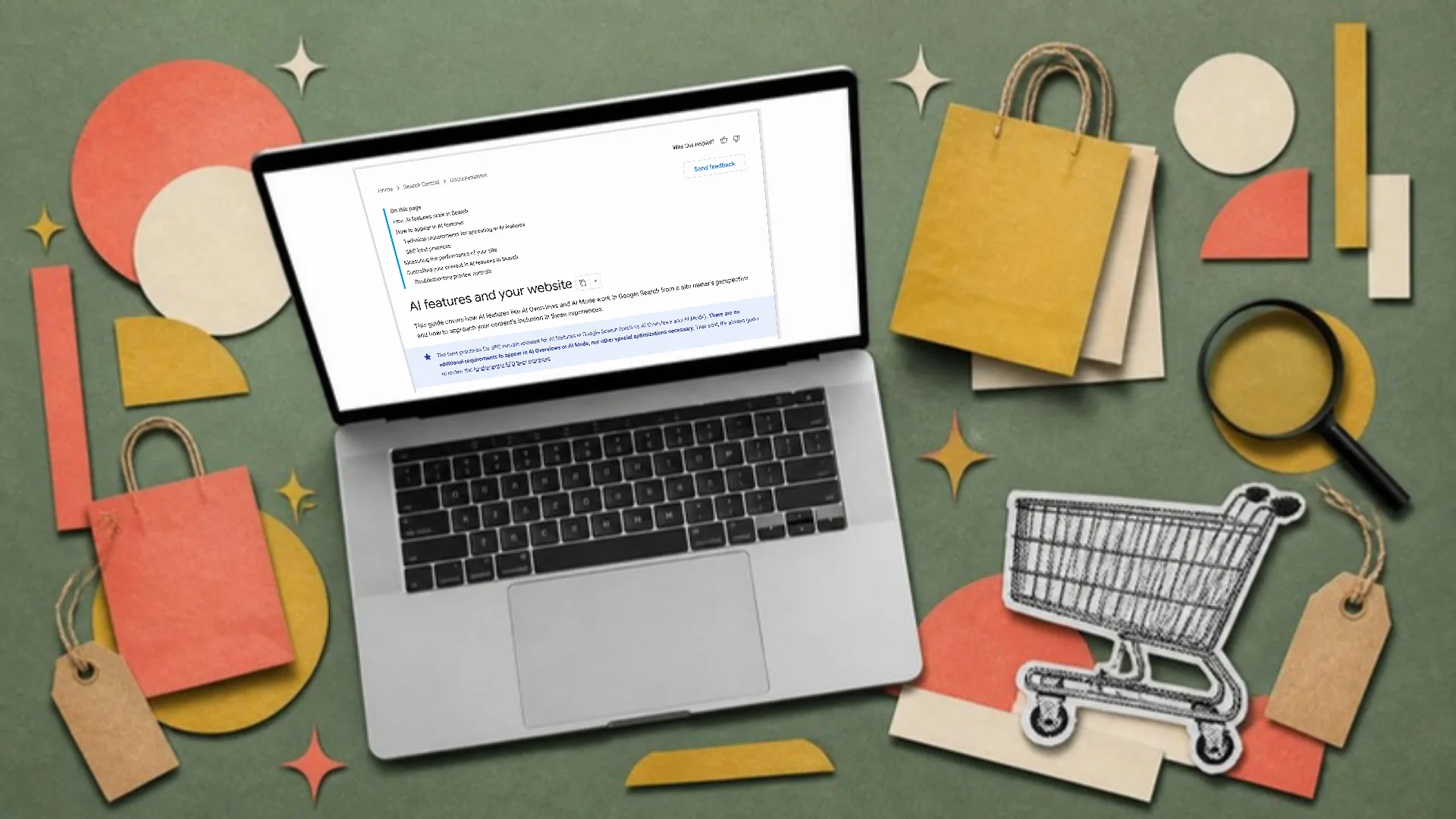
Google's guidance is blunt: there are no additional requirements and no special optimisations needed to appear in its AI features, and no special schema markup or AI text files are required. A page must be indexed and eligible to show a snippet. Google advises keeping Merchant Center and Business Profile information accurate. AI Mode works by running many related searches behind the scenes, which Google calls query fan-out, so a page that answers specific questions well has more chances to be used. AI Mode has been available in the UAE and Saudi Arabia since August 2025.
Perplexity and Meta AI
Perplexity's merchant programme is free, and Perplexity says joining raises the chance of being recommended because products enter its index. Checkout inside Perplexity is US only. Meta is testing product carousels in Meta AI for some US desktop users, linking out to retailers, and has not said whether advertisers get priority.
Ads are a separate lane
OpenAI says ads do not influence ChatGPT's answers and are labelled separately. ChatGPT ads run in more than 60 countries and are shown to Free and Go users only. Trackers reported that the UAE and Saudi Arabia were added to OpenAI's Ads Manager availability list around 16 to 18 September 2026, with reported minimum daily budgets of 65 dirhams and 50 riyals and a requirement for a locally registered entity. OpenAI made no announcement, so confirm in Ads Manager before planning around it.
What a brand can actually do
- Get the basics right everywhere an assistant reads: product names, prices, availability and descriptions should match across your site, your marketplaces and your Google Merchant Center feed.
- Earn reviews on the sites assistants read. OpenAI names third-party reviews as an input, and no brand can write those itself.
- Answer real questions on your own pages, in Arabic and English: sizes, delivery times to each emirate, returns, comparisons. Query fan-out rewards pages that answer the follow-up question too.
- Submit feeds where it is free and offered, such as Perplexity's merchant programme and OpenAI's merchant feed where available.
- Be sceptical of anyone selling guaranteed AI rankings. Google says no special markup is needed, and OpenAI publishes no ranking formula.
- Measure it. Tag links you share and watch referral traffic from chatgpt.com, perplexity.ai and Google in analytics, so you know whether AI is sending customers.
The UTM builder on this site creates tagged links so traffic from each source shows up separately in analytics, which makes AI referrals visible rather than lost in direct traffic.